The Serengeti: More Than Just a Plain, the World’s Greatest Wildlife Theater
Few names in the natural world evoke such primal wonder as "Serengeti." It is a word that has become shorthand for untouched Africa, for raw predator-prey drama, and for a scale of animal movement that defies imagination. While many people know the Serengeti is famous for "the big migration" or "lions," the reality is far richer, stranger, and more complex. The Serengeti is famous for being the last place on Earth where you can still witness the Pleistocene—a world where hundreds of thousands of hooves shake the ground, where predators hunt in plain sight, and where the land itself seems to breathe with life.
Derived from the Maasai word Siringet, meaning "the place where the land runs on forever," the Serengeti ecosystem is not just a single national park. It is a sprawling, cross-border region of nearly 30,000 square kilometers (12,000 square miles), stretching from northern Tanzania into Kenya’s Maasai Mara. Its fame rests on four interconnected pillars: the greatest animal migration on Earth, the highest concentration of large predators in Africa, a landscape of startling diversity, and a deep cultural and scientific legacy.
1. The Great Migration: The "Greatest Show on Earth"
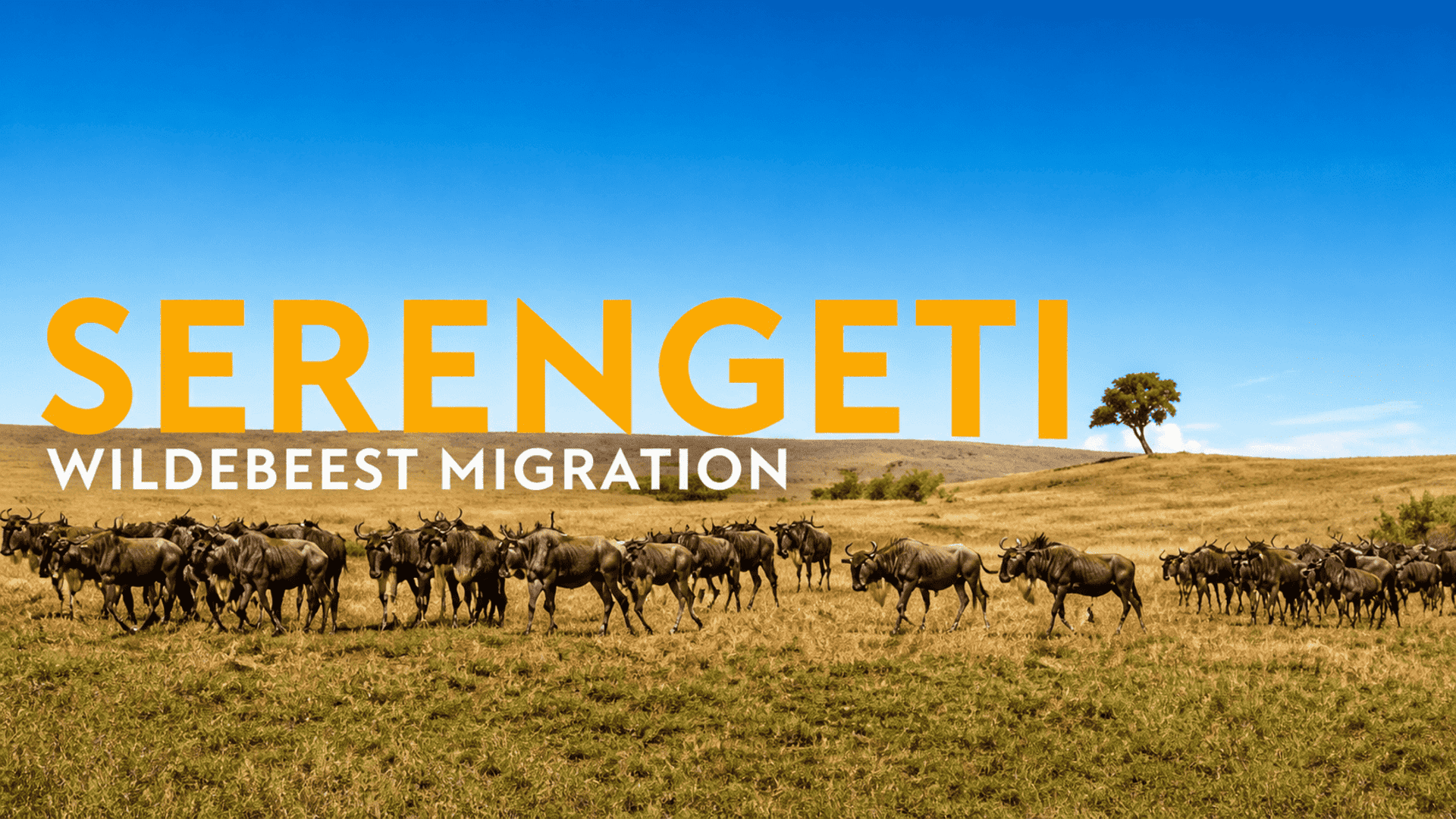
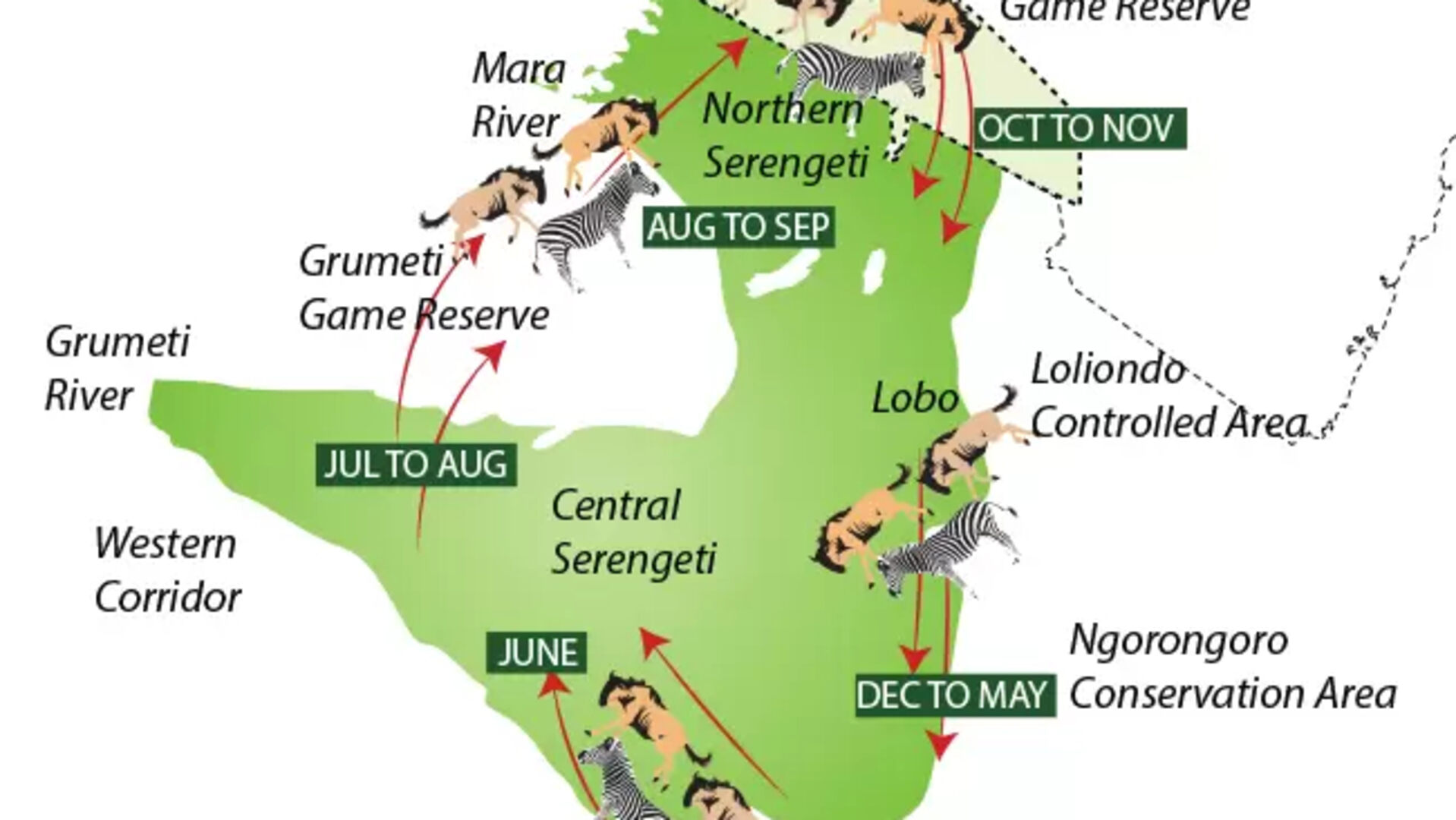
If the Serengeti has a signature act, it is the Great Migration. This is not a simple seasonal commute but a perpetual, circular pilgrimage of nearly 1.5 million wildebeest, 250,000 zebras, and 300,000 Thomson’s gazelles. They move not by choice but by desperation, driven by the region’s stark rainfall gradient. The Serengeti’s soil is ancient, low in phosphorus, and produces grass that is nutritious only for a short window after rain. The herds are constantly chasing the green flash of new growth.
The Rhythm of the Grunt: The year begins in the southern plains, usually around January and February. This is the calving season. Over 8,000 wildebeest calves are born each day for three weeks. This spectacle of life is simultaneously an orgy of death. The synchronized births overwhelm predators; a lion can only eat one calf, but 500,000 are suddenly available. You will see newborn calves, still wet, taking their first steps within minutes while cheetahs, hyena clans, and leopards patrol the edges. This concentration of life is unique to the Serengeti.
The River Crossings: The most famous—and most brutal—act occurs between June and October, when the herds must cross the Mara and Grumeti Rivers. These are not gentle streams. They are choked with Nile crocodiles, some over 5 meters (16 feet) long, that have waited a full year for this feast. A river crossing is chaotic, deafening, and horrifying. The air fills with the low, grunting panic of wildebeest, the thundering of hooves on rock, the bone-shattering crack of a crocodile’s jaw, and the screams of the drowning. You might see a zebra swept over a waterfall, a wildebeest stampeding over its own fallen calf, or a massive croc drag down a fully grown adult. It is nature’s most anxious theater, and it is why wildlife documentaries spend years filming here.
No other place on Earth offers such a predictable, large-scale, and violent migration of land mammals. The Serengeti is famous because it allows humans to witness a process that has repeated for a million years.
2. The Predator Capital of the World
Follow the wildebeest, and you find the killers. The Serengeti supports Africa’s largest predator biomass. This is not just about a high count; it is about the density and diversity of visible apex predators.
Lions (Over 3,000): The Serengeti has one of the highest lion populations in the world. Unlike many parks where lions are shy, Serengeti lions are habituated to vehicles. You can watch a pride of 20 lions sleep on a kopje (a rocky outcropping) for hours, then suddenly erupt into a coordinated hunt. The famous tree-climbing lions of Lake Manyara are rare elsewhere, but in the Serengeti’s central Seronera region, lions regularly drape themselves over the branches of sausage trees to catch the breeze.
Leopards (Around 1,000): The most elusive of the big cats is still regularly spotted here, particularly along the Seronera River. Guides can identify individual leopards by their rosettes. You might witness a leopard haul a freshly killed impala high into an acacia tree, a cache to keep it from lions and hyenas.
Cheetahs: The open plains of the Serengeti’s southern and eastern sections are perfect cheetah habitat. They do not climb trees or roar; they rely on pure acceleration (0 to 100 km/h in 3 seconds) to hunt. The Serengeti is one of the best places to see a mother cheetah teaching her cubs to stalk Thomson’s gazelles.
Spotted Hyenas: Often ignored, the hyena is the real ruler of the Serengeti. Clans of over 100 individuals operate in sophisticated social hierarchies. They hunt more than they scavenge, taking down wildebeest at night with bites that crack femurs. Their whooping calls across the plains at dusk are the true sound of the Serengeti.
No other conservation area allows you to see all four of these major predators hunting on the same day, often within minutes of each other. This is why filmmakers like Hugo van Lawick and the BBC’s Planet Earth have made the Serengeti their second home.
3. The "Endless Plains" and Surprising Landscapes
The Maasai word Siringet—"the place that runs on forever"—captures the essence of the southeastern and eastern Serengeti. Here, the grass stretches to a horizon that curves with the Earth. It is a treeless, rolling grassland that feels oceanic. When the sun sets, the light turns golden and then blood-red, and you feel utterly insignificant. This is the landscape that inspired Ernest Hemingway to write The Green Hills of Africa and which still makes modern travelers weep with awe.
But to call the Serengeti just a plain is a mistake. It is a mosaic of habitats:
The Kopjes (Rock Islands): Scattered across the plains are ancient granite outcroppings called kopjes (a Dutch word meaning "little head"). These are islands in a sea of grass. Rainwater collects in their crevices, feeding fig trees and aloe plants. Leopards use them as launchpads, hyenas den in their deep caves, and klipspringers (tiny antelope) perch on their tops. A single kopje like Simba Kopje or Gol Kopjes can host more biological diversity than entire forests elsewhere.
The Woodlands: The western corridor is dominated by dense Acacia and Terminalia woodlands. This is prime leopard and elephant habitat. The air smells of dust and dried sap. The light here is dappled, creating a stark contrast to the open plains.
The Riverine Forests: Along the Grumeti and Mara rivers, giant sycamore figs and ebony trees create dark, cool tunnels of green. In these corridors, you feel like you are in a Congo jungle, not a savannah. This is where the crocodiles bask, where colobus monkeys (black with white mantles) leap through the canopy, and where the humidity holds the scent of river mud.
This variety means the Serengeti never repeats itself. You can leave a lion kill on the open plain at 9 AM and by 4 PM be deep in a forest, tracking elephants by their low rumbles.
4. A Crucible of Evolution and Science
The Serengeti is famous not just for beauty but for science. It is one of the most long-term studied ecosystems on Earth. The Serengeti Lion Project, started by George Schaller in the 1960s and continued by Craig Packer, has produced more data on lion behavior and population dynamics than any other project on the planet. Schaller’s book, The Serengeti Lion, rewrote the scientific understanding of predator social behavior.
Similarly, the Serengeti is where the concept of "keystone species" was demonstrated. Scientists discovered that the wildebeest population exploded after the rinderpest virus (a cattle disease) was eradicated in the 1960s. More wildebeest meant more grass was eaten, which meant fewer wildfires, which allowed trees to grow in new places, which changed bird and insect communities. The Serengeti taught ecologists that everything is connected.
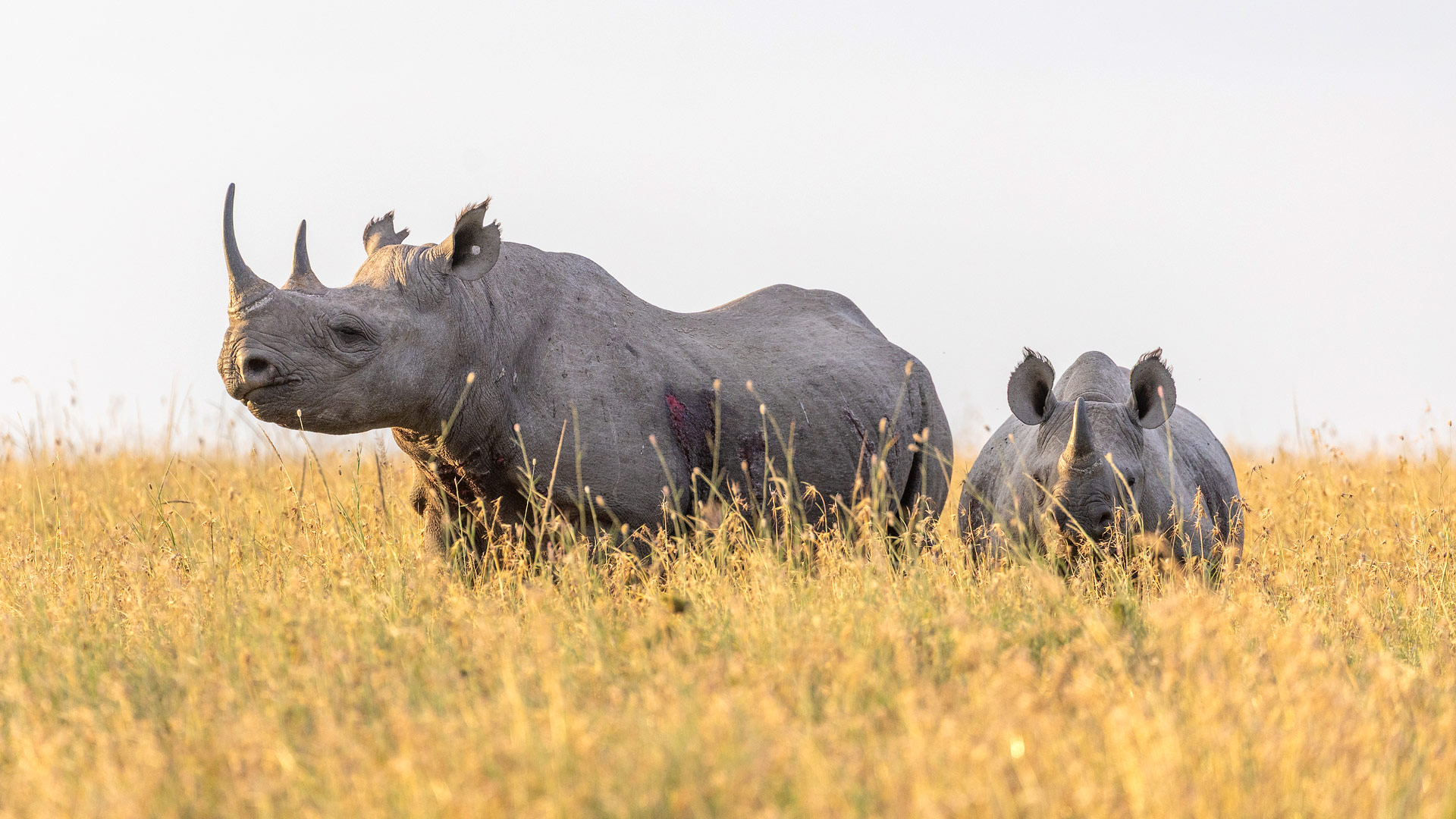
The park is also a UNESCO World Heritage Site (one of the few natural sites to meet all four natural criteria) and a refuge for endangered species. Though poaching has decimated them, the Eastern black rhinoceros still hides in the remote Moru Kopjes. African wild dogs (painted wolves), among the rarest canids in Africa, roam the western corridors. The park also contains the largest remaining population of the vulnerable East African cheetah.
5. The Human Dimension: The Maasai and the Experience
Finally, the Serengeti is famous because of its edge with humans. The Maasai people, who gave the park its name, have lived on its borders for centuries. Their cattle-grazing culture is often in tension with conservation, yet they are integral to the Serengeti’s story. Visiting a Maasai boma (village) on the Ngorongoro Crater rim—where the Serengeti begins—offers a glimpse into a pastoralist life that coexists with lions, a relationship of constant negotiation and occasional tragedy.
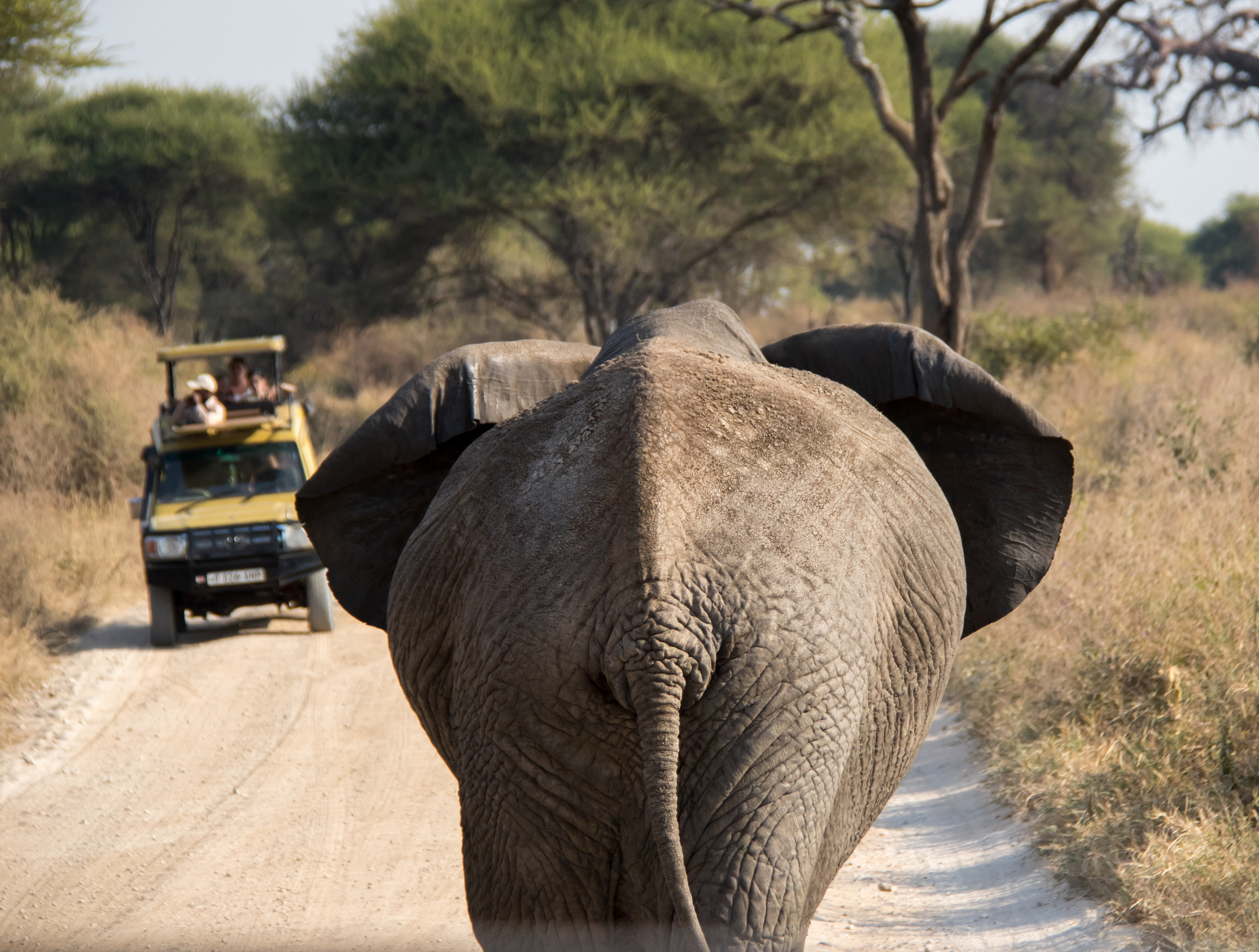
The experience of the Serengeti is also a form of fame. No other place offers such a variety of world-class safari types:
Hot Air Balloon Safaris: At dawn, you can float silently over the herds. You see the shadows of wildebeest stretching for miles, the mist rising off the rivers, and the orange sun exploding over Gol Kopjes. It is a sensory overload followed by a champagne breakfast in the bush.
Walking Safaris: In designated areas, you can get out of the vehicle. A guide will show you lion tracks still warm, teach you to sniff out leopard urine on a termite mound, and explain how a dung beetle navigates by the Milky Way.
Night Drives (in concessions): Outside the main park, in private reserves like Grumeti, you can drive with red lights to see the Serengeti’s secret world: genet cats hunting in trees, servals gliding through tall grass, and the glowing eyes of bush babies.
Conclusion: Why the Name Still Matters
The Serengeti is famous because it is a last chance. Climate change, poaching, habitat fragmentation, and human population growth threaten every corner of its ecosystem. Yet, as of today, it holds. It remains the place where you can see a crocodile take a wildebeest, a lioness stalk a zebra, and a cheetah chase a gazelle—all before lunch. It is famous not merely for its size (larger than Connecticut) nor its numbers (over a million wildebeest), but for its visibility. In the Serengeti, nature does not hide. The endless plains offer no cover, forcing every creature, from the tiny dik-dik to the towering elephant, to live and die in the open. And we, the visitors, are privileged to watch. That is why the Maasai named it the place that runs on forever, and why the world will never forget it.