Kilimanjaro Climbing Packages & Rates 2026–2027
Conquer Africa's highest peak with our expertly guided expeditions

Kilimanjaro Packages
Kilimanjaro Packages
Marangu Route (Hut Accomodation)
6 days trek
Machame Route (Budget Climb)
6 days trek
Rongai Route
7 days trek
Lemosho Route + Kossovo Camp
7 days trek
Machame Route (Best Seller)
7 days trek
Lemosho Route (Tailored)
7 days trek
Lemosho Route (Premium)
8 days trek
Northern Circuit
9 days trek
Kilimanjaro Climb and Safari package
12 days trek
Kilimanjaro Packing List
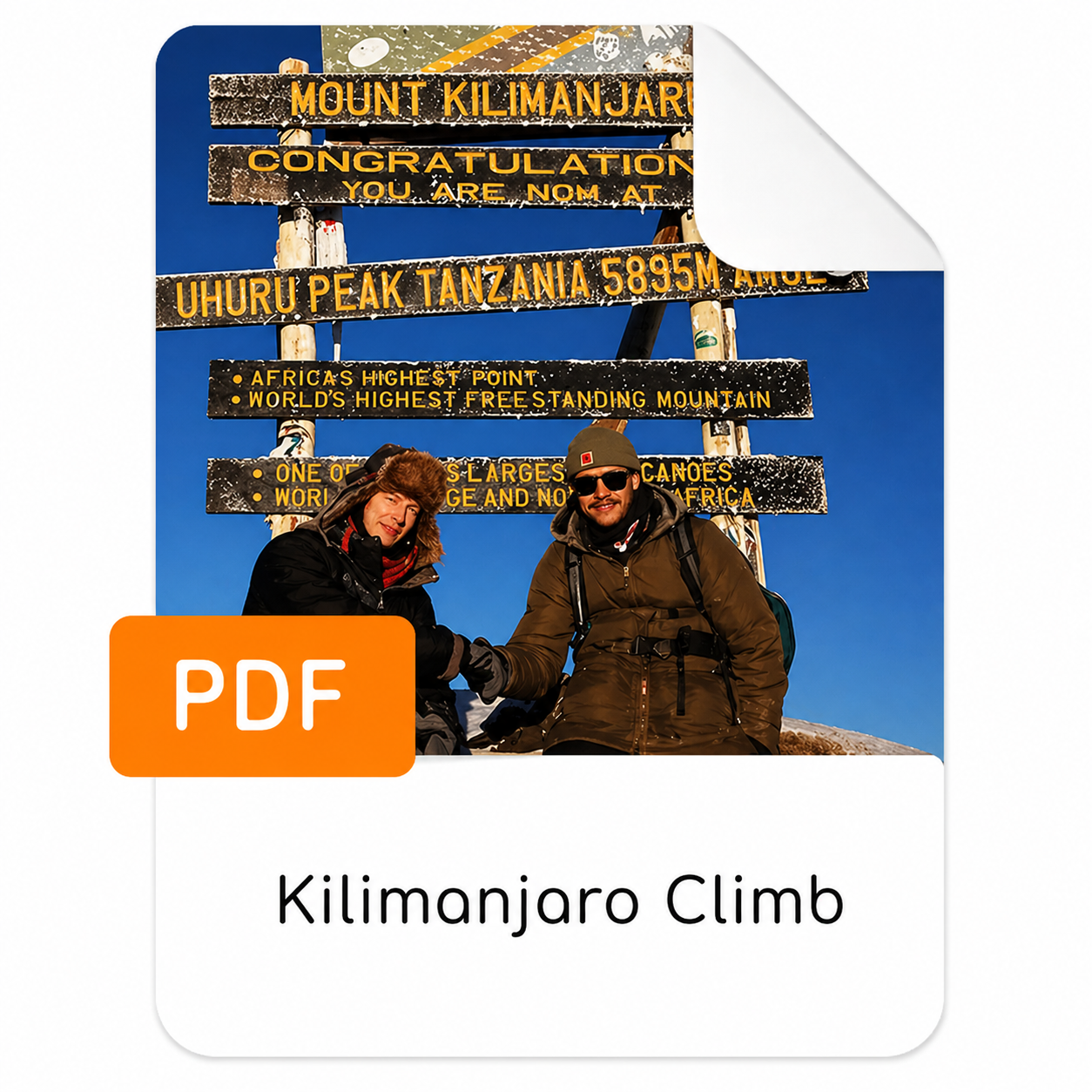
Get PDF Kilimanjaro Packing List
Free Kilimanjaro Packing List with essential gear and recommendations from Kilimanjaro Explore experts.
Kilimanjaro Climbing
Mount Kilimanjaro is a dormant volcanic mountain in Tanzania, standing at 5,895 meters (19,341 feet), making it the highest peak in Africa. It consists of three cones: Kibo (the highest, dormant), Mawenzi (extinct), and Shira (extinct). Unlike many high mountains, Kilimanjaro is a free-standing stratovolcano not part of any mountain range.
Its slopes feature distinct ecological zones, from tropical rainforest at the base to alpine desert and glacial ice at the summit. Despite its proximity to the equator, the summit is permanently snow-capped, though its glaciers are rapidly retreating due to climate change.
Kilimanjaro is a major climbing destination, requiring no technical mountaineering skills, but altitude sickness remains a serious risk.
Preparation Guide
What You Need to Know Before You Go
When is the best time to climb Kilimanjaro?
The best recommended time to climb Mount Kilimanjaro is during the dry season, which runs from December to mid-March and late June to October. The most favorable months are January, February, July, August, September, and October.
How much does it cost to climb Kilimanjaro?
The average costs to climb Kilimanjaro range from $1,500 to $6,000, depending on the route, operator, and group size.
Kilimanjaro Group Climbs: 2026–2030 Departures
Stay in touch on Instagram
Follow our latest photos and stories from Tanzania—curated from our team.
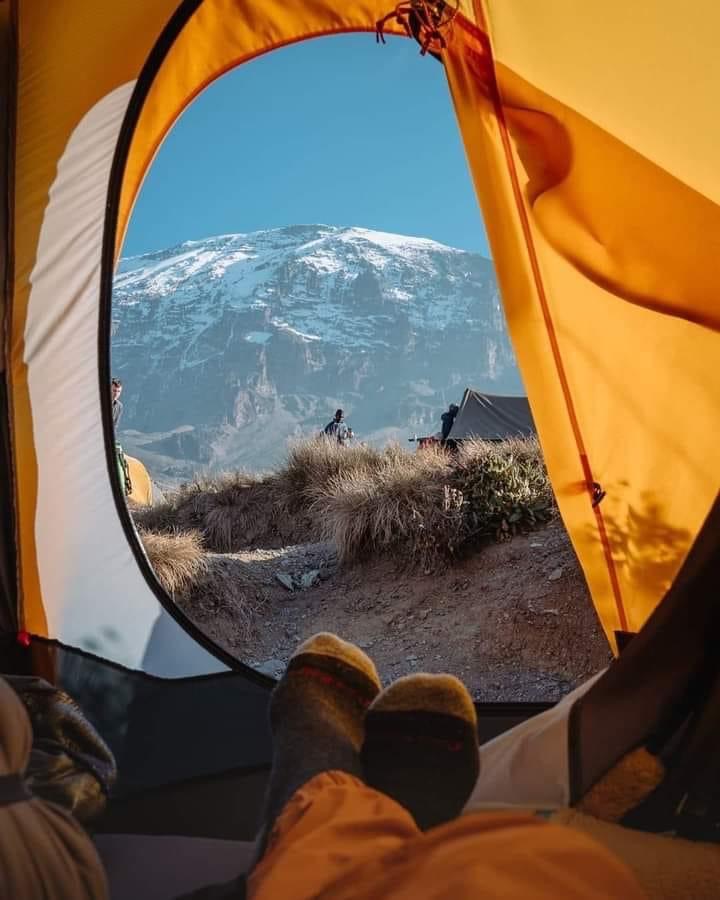 BEFORE YOU CLIMB MOUNT KILIMANJARO ⛰️ I answer all your FAQs.
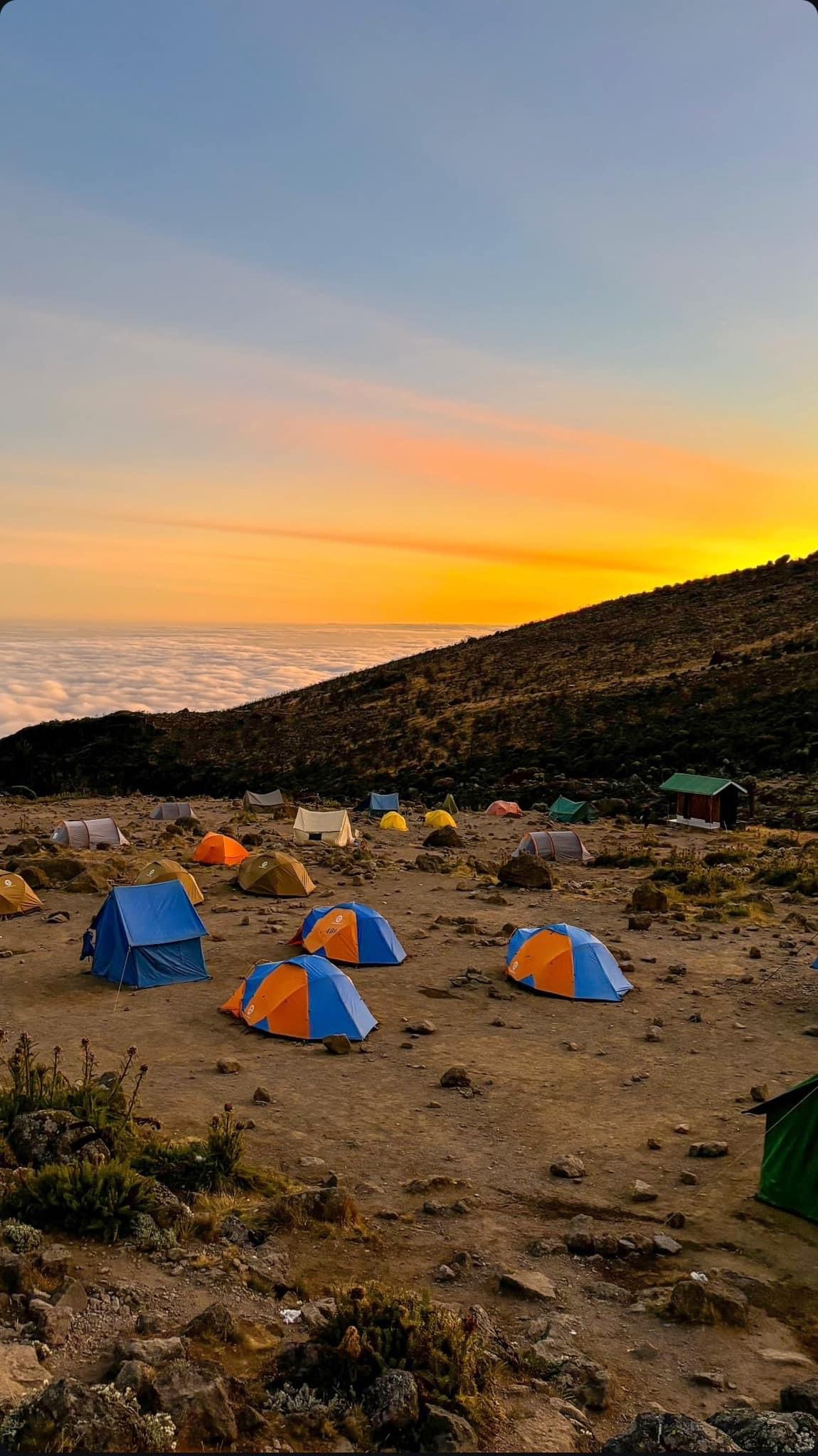 Not everyone comes to Kilimanjaro for the mountain.
Some come to prove something to themselves.
Some come searching for adventure.
Others come chasing a dream they’ve had for years.
I’m grateful to help travelers from around the world reach the summit of Africa’s highest mountain and experience the beauty of Tanzania beyond the climb.
Would you climb Kilimanjaro one day?
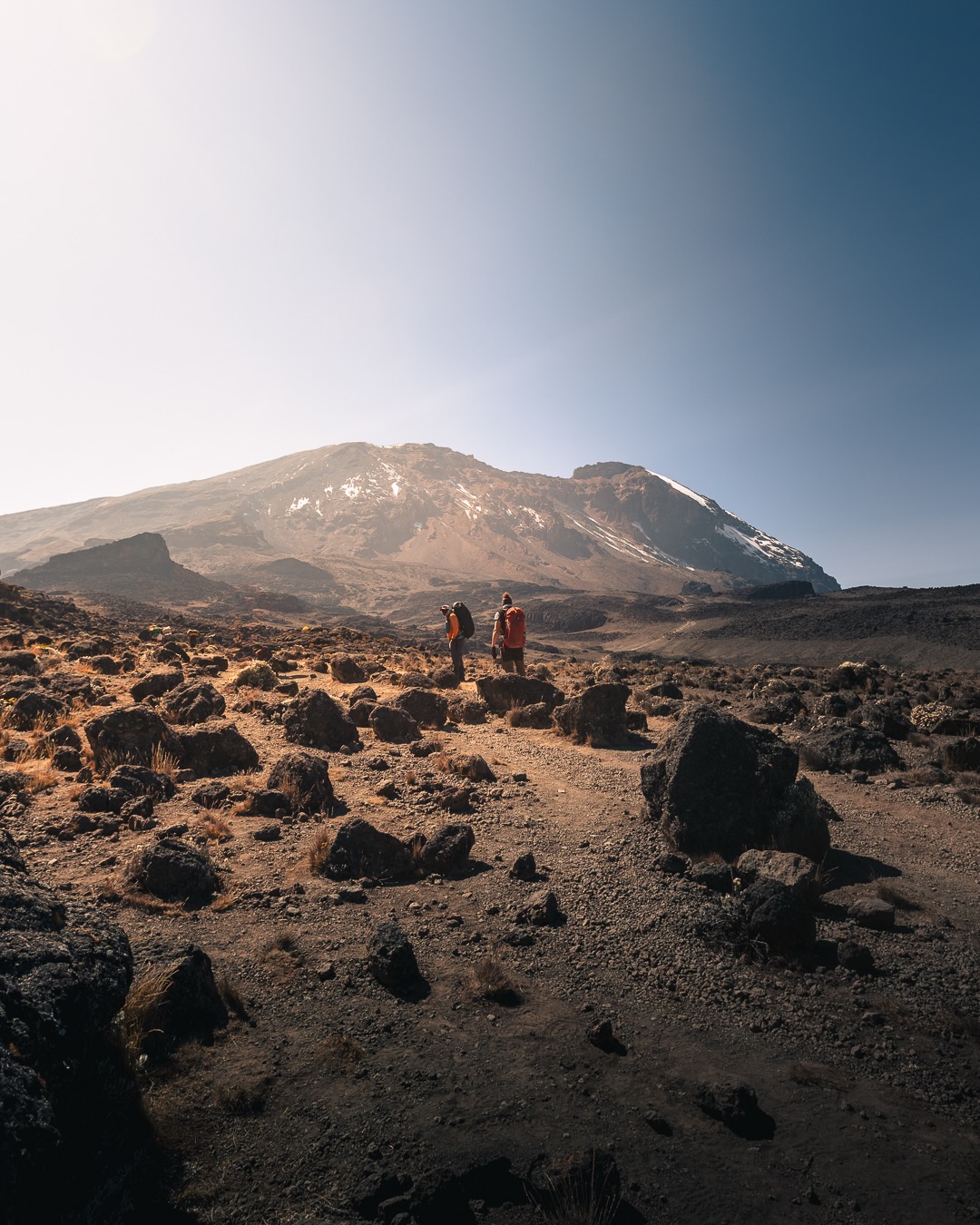
Not everyone comes to Kilimanjaro for the mountain.
Some come to prove something to themselves.
Some come searching for adventure.
Others come chasing a dream they’ve had for years.
I’m grateful to help travelers from around the world reach the summit of Africa’s highest mountain and experience the beauty of Tanzania beyond the climb.
Would you climb Kilimanjaro one day?
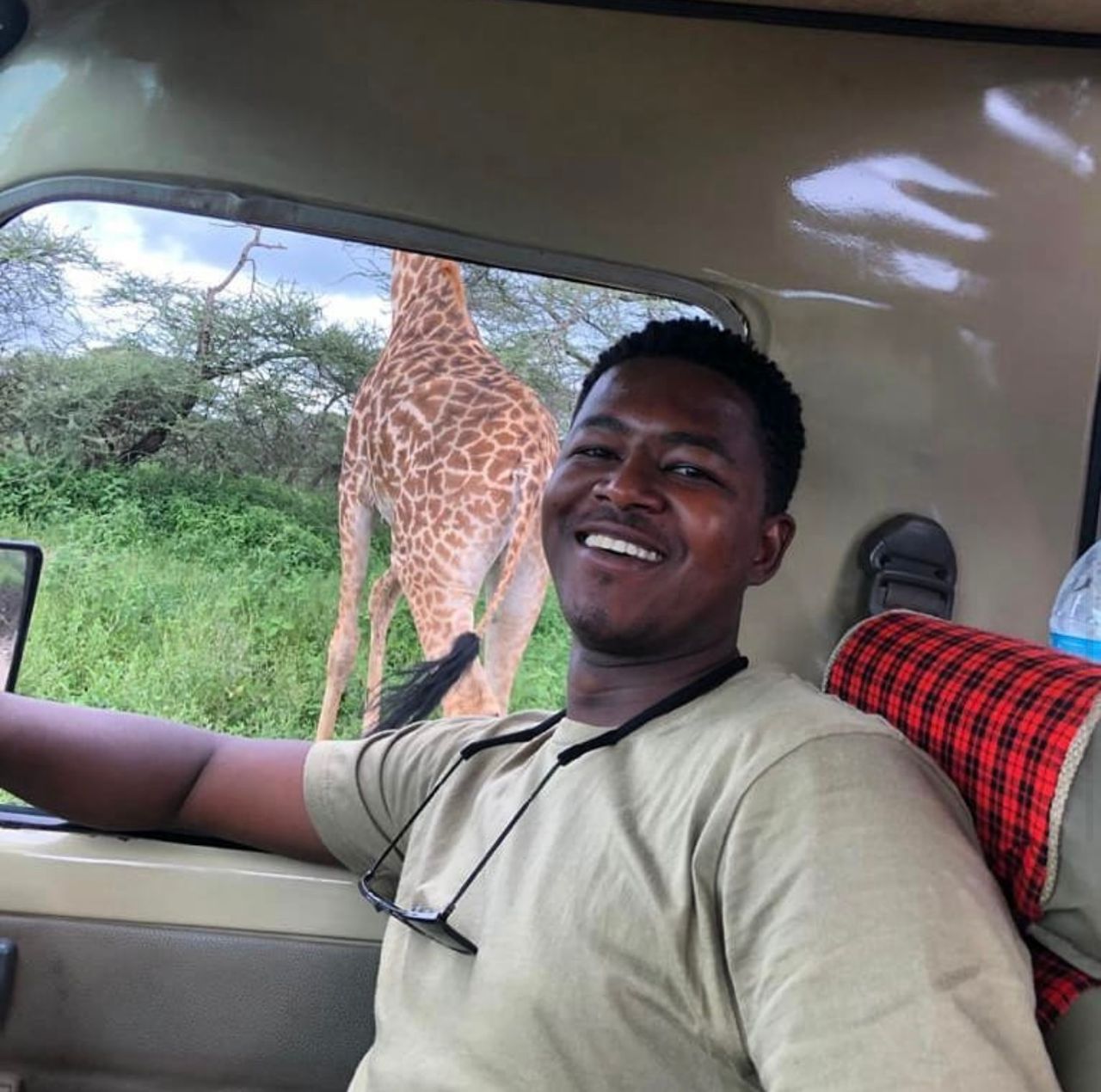
Philbert
OnlineReady to Plan Your Kilimanjaro Climbing Adventure?
Contact us. Our team is always here to help.
FAQs
Get answers to the most common questions about climbing Africa's highest peak
The most convenient way to reach Mount Kilimanjaro is by flying into Kilimanjaro International Airport (JRO) in Tanzania. From there, it is about a 50-minute drive to Moshi, the main gateway for Kilimanjaro climbs. Major international airlines such as Turkish Airlines, Qatar Airways, KLM, Ethiopian Airlines, and Air France serve this route.
Alternatively, travelers can fly into Dar es Salaam and take a domestic flight to Kilimanjaro, although this may involve extra costs for flights and baggage. For budget travelers, flying into Nairobi, Kenya, then traveling by bus to Moshi is also possible. However, this option includes additional expenses such as a Kenyan transit visa (~$21) and bus fare (~$45), with a total travel time of around seven hours.
Most Kilimanjaro expeditions take 6 to 8 days, which allows for better acclimatization and improves the chance of reaching the summit safely. The shortest climbs are typically around 5 days, but longer itineraries, including options that stay overnight in the crater, can extend to 10 days or more for a more immersive experience.
A Mountain the World Knows by Name
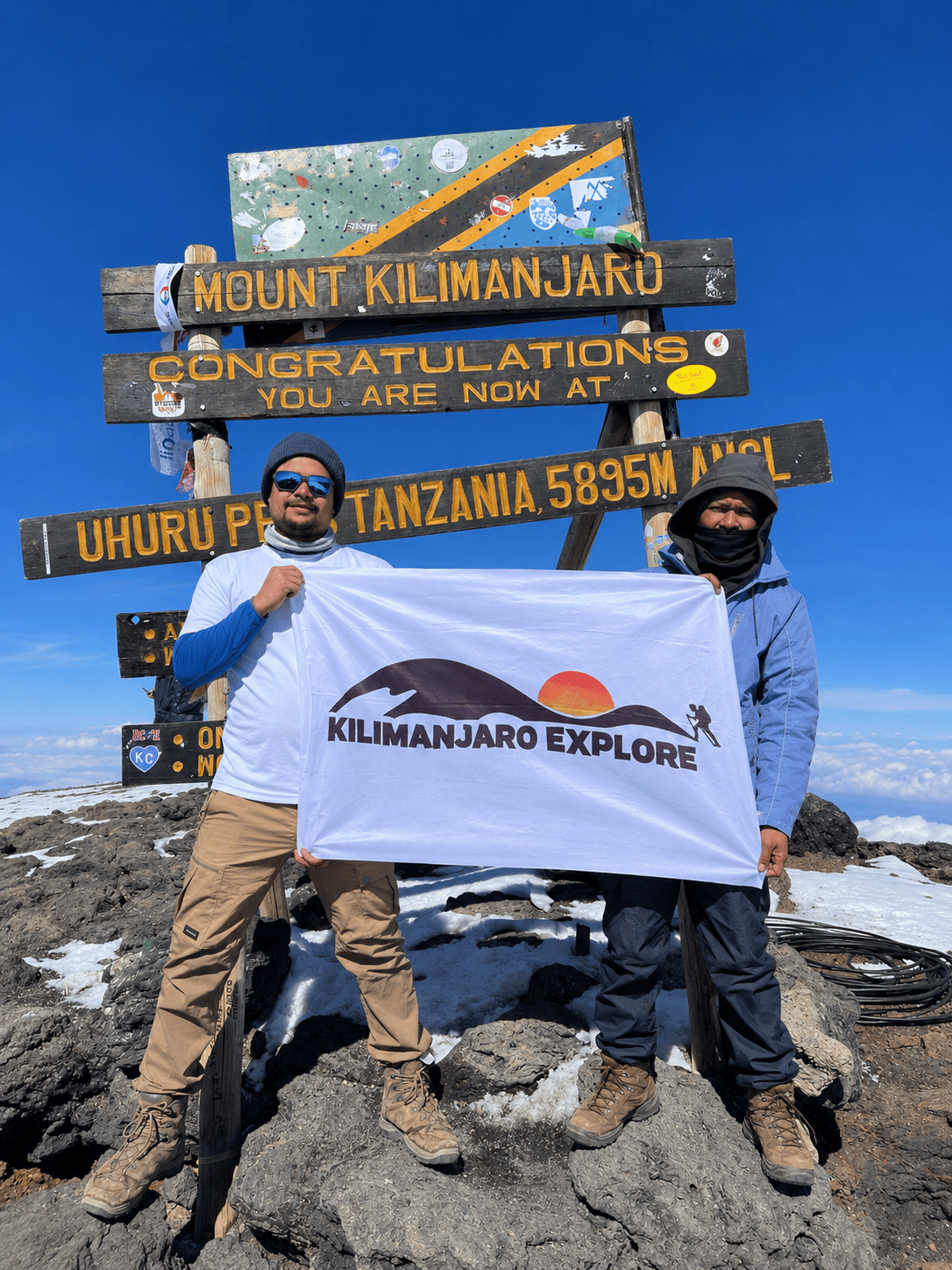
Kilimanjaro is famous because it is unforgettable. Rising 5,895 meters above Tanzania's plains, Kilimanjaro is a snowcapped giant on the equator—a symbol of adventure, beauty, and transformation
While challenging due to altitude, Kilimanjaro is a non-technical climb and doesn’t require mountaineering experience
The best months are January-March and June-October, offering the most stable weather conditions.
Yes, all climbers must book through a registered tour operator and obtain permits from Kilimanjaro National Park.
Essentials include layered clothing, trekking boots, sleeping bags, and a good-quality backpack.
Northern Circuit (90%) and Lemosho (85-90%).
Marangu, due to gradual ascent and hut accommodations.
Lemosho and Machame routes.
No, Tanzanian regulations require climbers to have a licensed guide.