Sorry to disappoint you, but there isn’t a straight answer to this question. It actually depends on a lot of factors: age, fitness level, the route you choose, the number of days on the trek, and how well you acclimatize.
But don’t let those factors intimidate you! Six-year-old Coalton Tanner successfully climbed Mount Kilimanjaro in October 2018 and holds the record for the youngest climber to summit. Anne Lorimor reclaimed the title of oldest climber at 89 years old. The point is to consider the important factors and manage them — train regularly, book during the dry season, use quality gear, and hike with an experienced guide.
Mount Kilimanjaro is an awesome feat and should not be taken lightly — you earn major bragging rights when you summit! The better question is: how can I best prepare to climb Kilimanjaro?
Kilimanjaro Hiking Difficulty
Mount Kilimanjaro is one of the Seven Summits — the highest peaks on each of the seven continents.
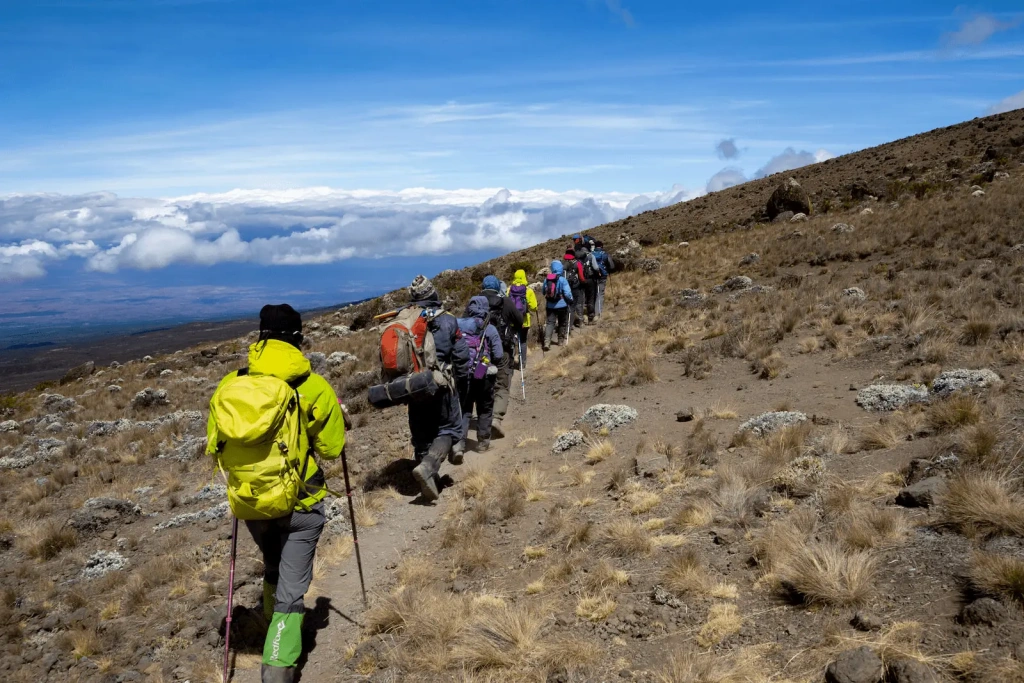
Is Kilimanjaro a hike, a climb, or a trek? A hike is essentially walking — no special equipment required. A trek suggests more difficult terrain over several days with appropriate footwear and a supportive pack. Climbing is the most technical category and often requires specialized skills.
Mount Kilimanjaro is one of the Seven Summits and the only one that does not require specialized equipment to reach the top. The first days on most routes start as hikes; later days become a trek as terrain and altitude increase. In short, daily hikes contribute to the overall trek of climbing Mount Kilimanjaro — all three terms are appropriate.
Can anyone climb Mount Kilimanjaro?
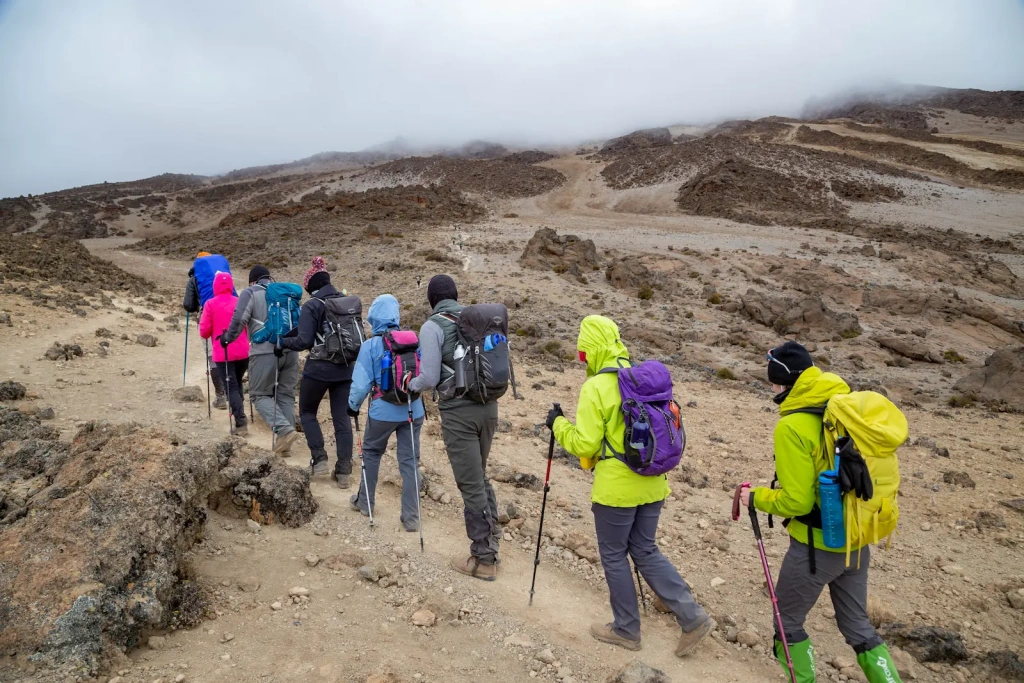
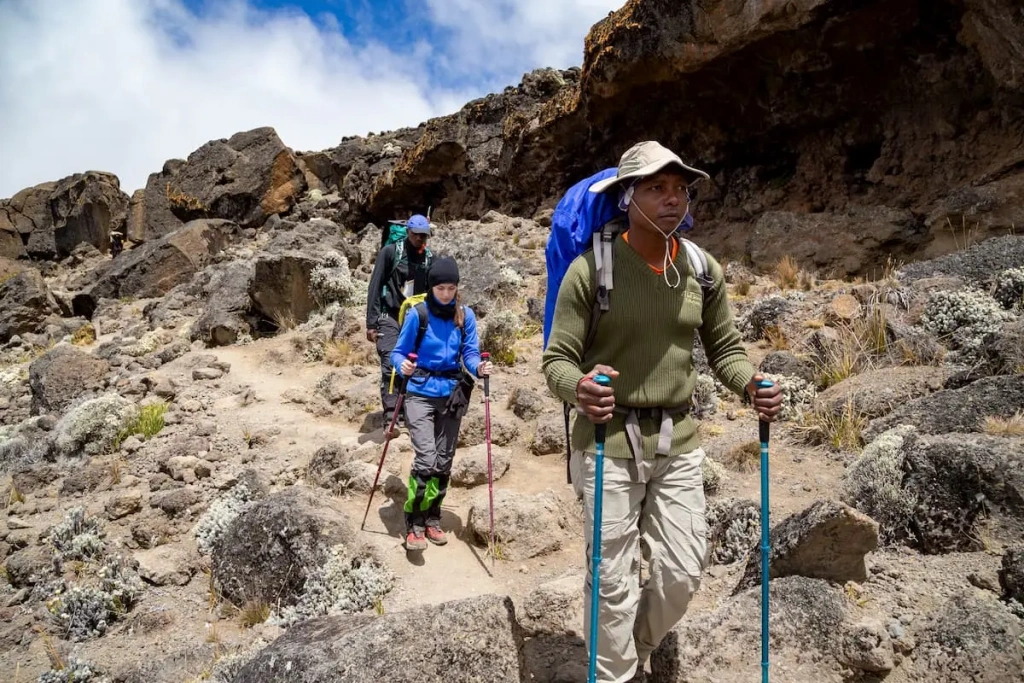
With determination and training, almost anyone can climb Kilimanjaro.
Yes! With determination and training, almost anyone can climb Kilimanjaro. Inspirational climbers include Angela Vorobeva (86), Anne Lorimor (89), Kyle Maynard (born without arms or legs), and Montannah Kenney (7).
Please keep in mind some health conditions are not recommended:
- People with severe forms of cardiovascular disease
- Children under 10 (Tanzania law requires climbers to be at least 10 years old)
Asthma, diabetes, and other manageable conditions are not automatic barriers — consult your doctor before training and discuss your Kilimanjaro plans.
Train regularly following a structured schedule. The Machame (7-day), Lemosho (7 and 8-day), and Northern Circuit routes are recommended for beginners. The Umbwe route and shorter Marangu/Machame itineraries are among the most difficult and should only be chosen if you are physically prepared.
How Many Days to Reach the Summit?
For sky-runners like Karl Egloff, the round trip can take hours. For the average climber, 7 days or longer is ideal for acclimatization. Five- and six-day programs should generally be avoided unless you have excellent fitness, with limited exceptions for time-constrained climbers on Marangu or Lemosho 6-day itineraries.
What is the Kili Average Success Rate?
There is no single official answer today. The last government statistics (2006) showed:
- All climbers, all routes — 45%
- All 5-day routes — 27%
- All 6-day routes — 44%
- All 7-day routes — 64%
- All 8-day routes — 85%
Standards have improved since 2006 with better equipment and qualified guides. The main principle remains: more days on the mountain means better acclimatization and higher summit chances.
Mt. Kilimanjaro Climbing Routes - Difficulty Levels
- Lemosho Route — Scenic and considered one of the easier routes; usually 7–8 days.
- Machame Route — Beautiful rainforest start; the 6-day version is difficult — we recommend 7 days.
- Marangu Route — Lower success rate on 5 days; can be crowded in high season.
- Rongai Route — Approaches from the north; not recommended under 7 days.
- Northern Circuit — Longest itinerary (8–9 days) with excellent acclimatization.
- Umbwe Route — Very steep; only for experienced climbers.
How Hard is it to Climb Kilimanjaro on the Last Stage of the Trek?
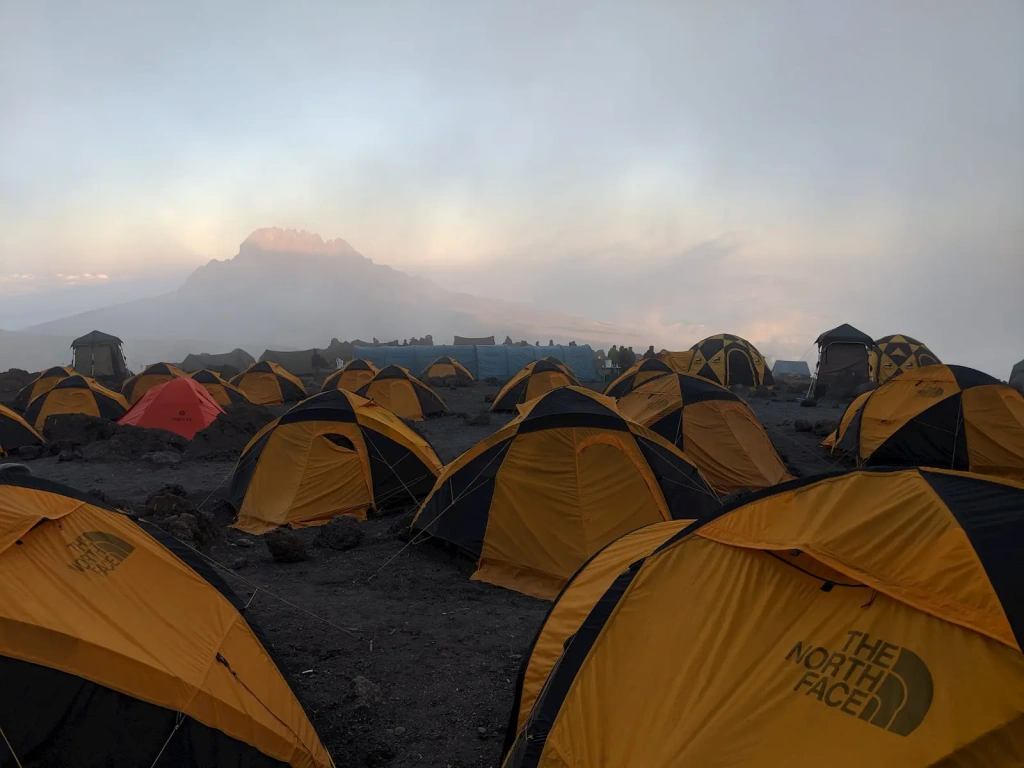
The final summit day is the most challenging — but many prepared climbers find it easier than expected. Highlights include a midnight start, a steep but walkable ascent, 5–7 hours to Uhuru Peak for sunrise, and snacks along the way. Your guide stays with you throughout.
On a 7-day itinerary, roughly 90% of climbers who reach summit camp make it to Uhuru Peak; others often reach Stella Point, only 40 minutes below the summit.
Kilimanjaro Skill Level - How Easy is it to Climb Comparing to the Seven Highest Summits?
Many climbers start with Kilimanjaro because it is considered one of the easiest Seven Summits. Only Mount Kosciuszko in Australia (lower altitude) is easier. Kilimanjaro is an excellent test of acclimatization before Aconcagua, Elbrus, or Mont Blanc.
How Long Should I Train?
Ideally begin training 4 months before your trip. Cardiovascular fitness, leg strength, and hiking with a loaded pack all help. Read our dedicated Kilimanjaro training guide for a full schedule.
Altitude Acclimatization
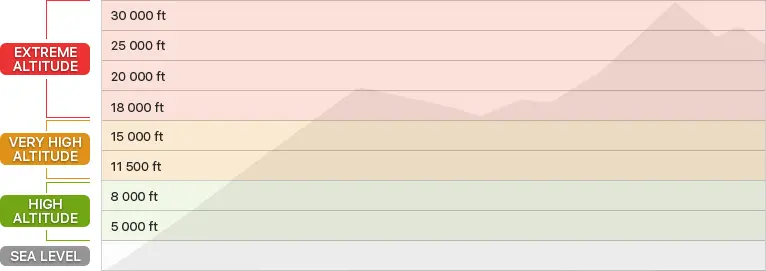
Prioritizing acclimatization is one of the most important factors for a successful summit.
At high elevation your body adapts with increased heart and respiratory rate, then more red blood cells over several days. Prioritizing acclimatization is critical for summit success.
Altitude sickness is a real risk. Guides are trained to recognize symptoms and carry medication for common effects, but a steady, gradual ascent remains essential. Longer routes (6+ days) significantly increase your chances of reaching the summit safely.
Preparing for Altitude Sickness
The main cause is ascending too rapidly. Share symptoms with your guide — especially trouble sleeping or reduced appetite. Key principles: choose longer routes, walk slowly, listen to your guide, and drink plenty of water.
High Altitude Seriousness
Our climbing teams perform regular medical check-ups to monitor wellbeing. AMS symptoms often resolve with rest and hydration; HACE and HAPE require immediate descent — your guide will act quickly if serious symptoms appear.
On the Trek
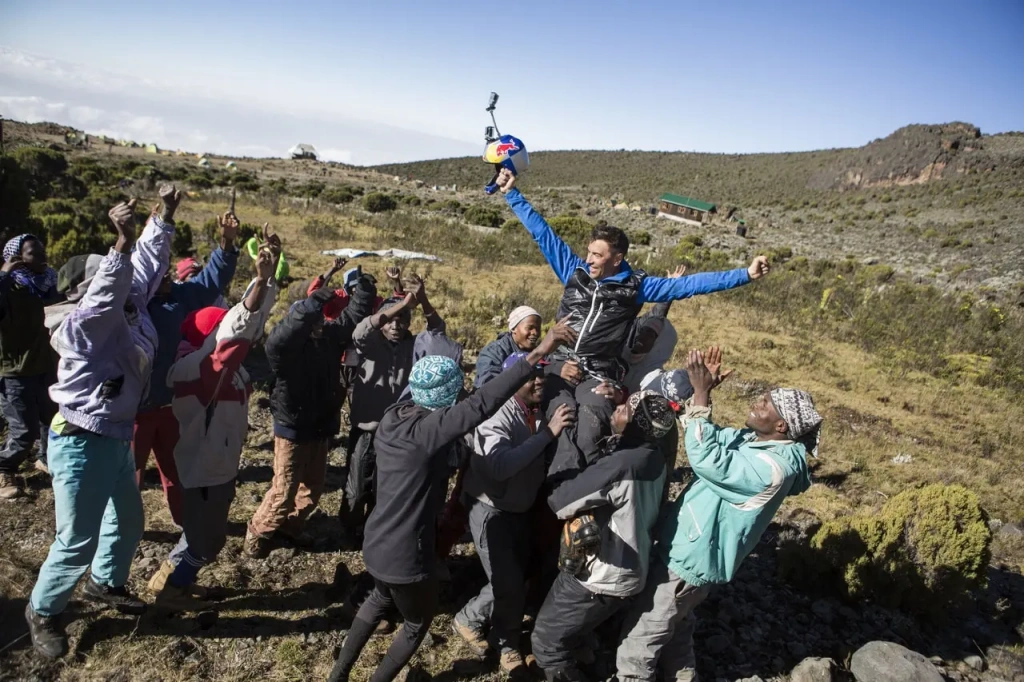
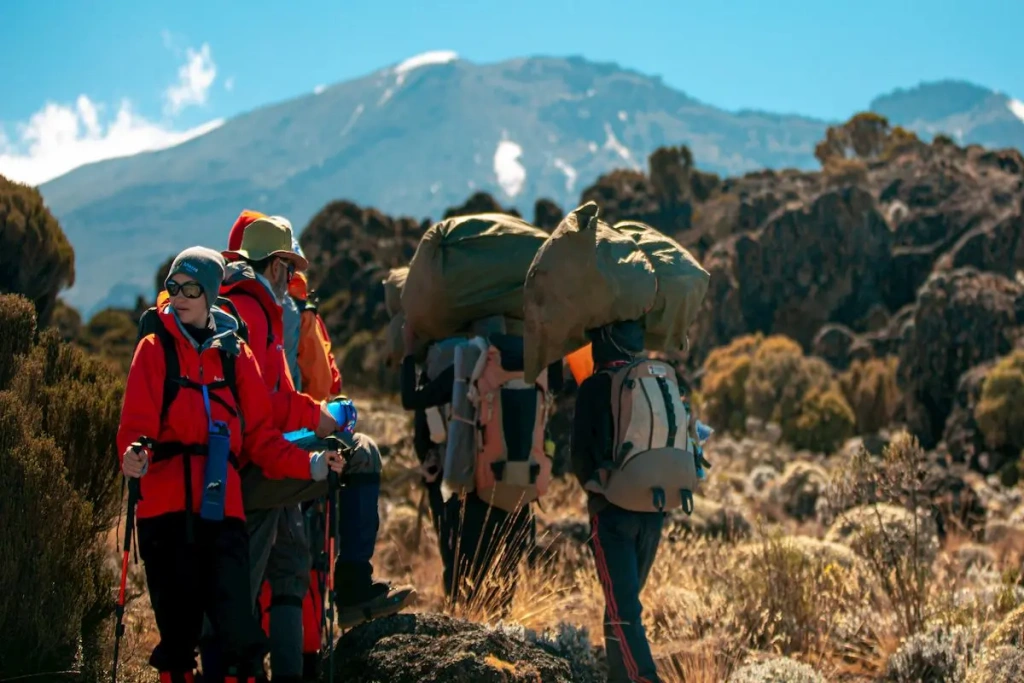
Your team sets up camp ahead of you so you can focus on the trek and enjoy the mountain.
With a professional team, camp is prepared before you arrive, porters carry heavier bags, and cooks provide nourishing meals. Your job is to trek, carry your day pack, and enjoy the mountain.
Guides and Porters will Help
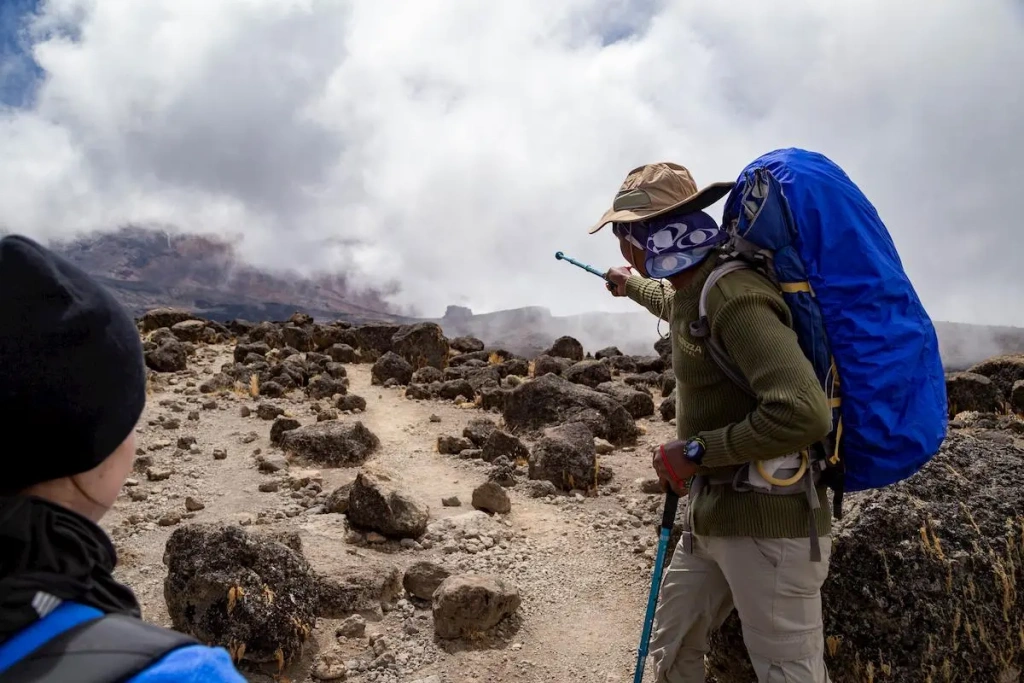
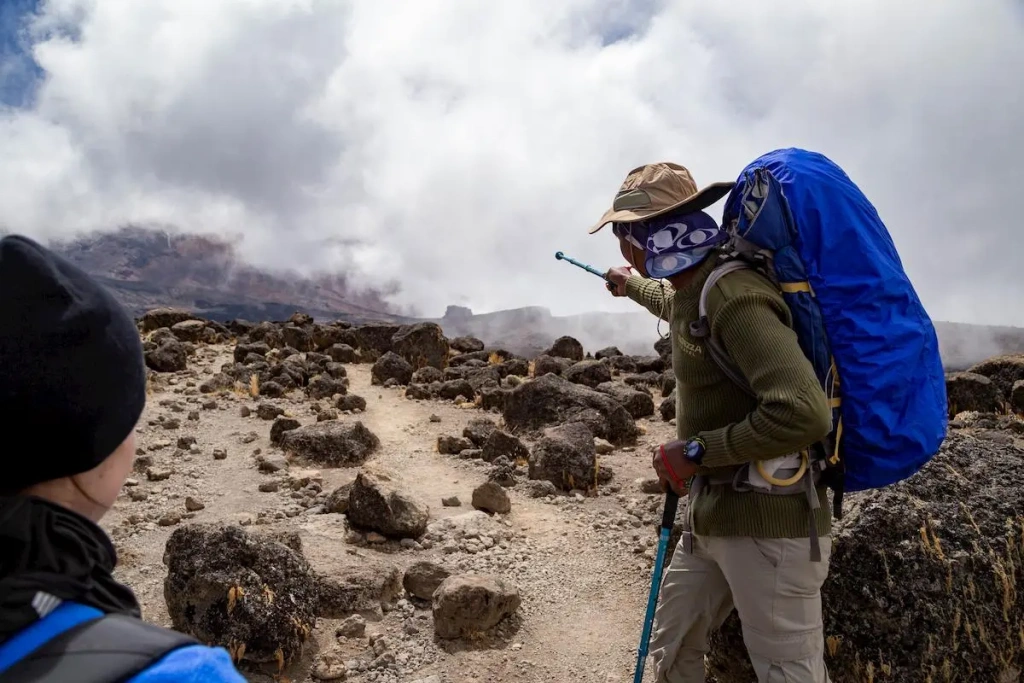
Guides set the pace, monitor health during rest stops, and on summit night additional porters often join to maintain optimum safety ratios.
What is the Minimum Age to Climb Kilimanjaro?
Kilimanjaro National Park requires climbers to be at least 10 years old. We are cautious about youth under 15 — contact us if you believe your child is ready so we can plan accordingly.
Can I Climb Mount Kilimanjaro on My Own?
It is impossible. Park regulations require a licensed guide. A guide-only trip without porters or cooks would be extremely difficult — most climbers prefer a full support team for safety and enjoyment.
Conclusion - Is it really difficult to climb Kilimanjaro
Climbing Mount Kilimanjaro presents real challenges, but all of them are manageable with planning, adequate acclimatization time, and physical training. The Roof of Africa is difficult — but it is not out of reach. Whether you are chasing the Seven Summits or the perfect summit photo, start planning today.
Reviewed by Kilimanjaro Explore Editorial Team. Fact-checked by Senior Kilimanjaro Guide.
About the author