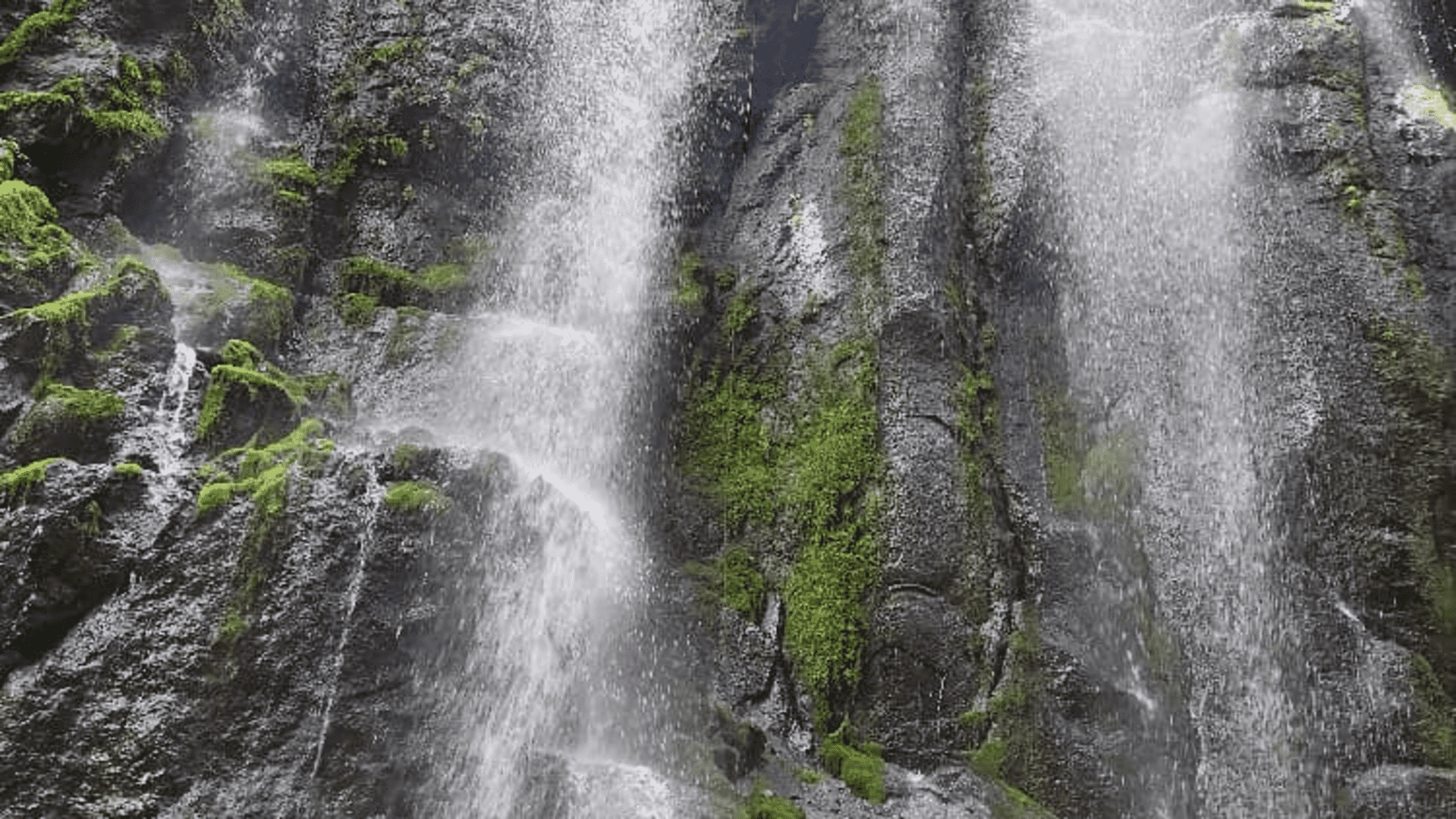
Positioned roughly 9 kilometers from Moshi, Mailisita Waterfall, widely referred to as Paradise Waterfall, represents a category of tourism asset that is increasingly rare in 2026: low-traffic, high-authenticity природ landscapes. While northern Tanzania continues to see rising visitor numbers driven by flagship attractions like Mount Kilimanjaro, secondary destinations such as Mailisita remain under-leveraged despite strong experiential value.
From a destination management perspective, this site fits into what tourism economists classify as a “micro-adventure node," a location that requires minimal travel time but delivers disproportionately high sensory and emotional returns. For travelers staging in Moshi before or after a Kilimanjaro expedition, this waterfall offers a compact yet rich extension to their itinerary.
1. A True Hidden Gem Near Moshi Town
An Untouched Natural System
Mailisita Waterfall’s primary differentiator lies in its relative lack of commercialization. Unlike high-traffic waterfall sites that undergo infrastructure saturation, Mailisita maintains ecological integrity. The surrounding biome consists of dense vegetation, volcanic rock strata, and natural water channels shaped by historical lava flows from Kilimanjaro’s geological activity.
In practical terms, this translates to:
Lower anthropogenic noise
Minimal structural interference
High environmental authenticity
Case comparison: In contrast to more developed Tanzanian waterfall destinations like Materuni, Mailisita operates with a lower visitor throughput, which enhances perceived exclusivity—an increasingly valuable metric in experiential tourism markets.
Scenic Value and Visual Composition
The waterfall itself drops approximately 6 meters over dark volcanic rock. While not large in scale, its aesthetic strength lies in contrast: white water against basalt formations, framed by deep green vegetation.
For photography professionals or content creators, the site offers:
High dynamic range scenes (water vs shadowed rock)
Natural framing through vegetation
Diffused lighting conditions due to canopy coverage
In 2025–2026 travel content analytics, such environments perform strongly on platforms like Instagram and YouTube due to their “untouched” visual narrative, which audiences increasingly associate with authenticity.
2. The Adventure Component: Spiral Wooden Stairs & Terrain Interaction
Controlled Physical Engagement
Accessing Mailisita Waterfall involves a descent via a spiral wooden staircase integrated into the terrain. This feature is not purely functional; it introduces an element of controlled physical challenge, aligning with current trends in “soft adventure tourism.”
Unlike high-risk trekking environments, the effort required here is moderate, making it accessible to a broader demographic while still delivering a sense of achievement.
Risk and Safety Considerations
The descent involves:
Steep gradient sections
Wooden structural elements (variable traction depending on weather)
Natural terrain transitions near the base
Best practice protocols include:
Maintaining three points of contact where possible
Avoiding rapid descent speeds
Using appropriate footwear with grip
From an operational standpoint, guided access significantly reduces incident probability. Data from similar sites shows that guided groups have lower injury rates due to pace control and situational awareness.
3. Microclimate and Sensory Experience
Temperature Differentials
One of the most immediate physiological responses visitors report is a noticeable temperature drop at the waterfall base. This is due to:
Evaporative cooling from cascading water
Reduced solar penetration through canopy cover
Proximity to groundwater sources
Measured differences in comparable environments typically range between 3–7°C cooler than surrounding areas.
Acoustic and Atmospheric Effects
The waterfall produces a consistent white noise environment, which has documented psychological effects:
Reduced perceived stress
Enhanced relaxation response
Improved focus and presence
This aligns with broader wellness tourism trends, where natural soundscapes are leveraged as a form of passive therapy.
4. Swimming and Passive Recreation
Natural Pool Characteristics
At the base lies a natural swimming pool formed by erosion and water accumulation. Its structure includes:
Approximate depth: 2 meters (variable across sections)
Rock-lined basin
Continuous freshwater inflow
Water quality is generally high due to its spring-fed origin and low contamination exposure, though seasonal variations may occur.
Usage Patterns
Visitors typically engage in:
Short-duration swimming
Passive soaking
Photography and rest
From a behavioral standpoint, this aligns with “cool-down zones” observed in hiking ecosystems, where users transition from active exertion to recovery.
5. Visitor Logistics and Planning Framework
Access Model
Mailisita operates primarily through guided visits. This model serves multiple functions:
Navigation support
Safety oversight
Local economic participation
Transport is typically arranged from Moshi or nearby areas, reducing logistical friction for visitors.
Optimal Visiting Windows
Seasonality plays a critical role in experience quality:
Dry seasons (June–October, January–March):
Stable footing conditions
Clear water visibility
Easier trail navigation
Rainy seasons:
Increased slip risk
Higher water turbidity
Reduced accessibility
Tour operators generally advise against visits during heavy rainfall periods due to safety considerations.
Required Equipment
Given the absence of on-site commercial infrastructure, preparation is essential. Recommended items include:
Hydration (minimum 1–2 liters per person)
Energy snacks or packed meals
Durable walking shoes
Swimwear and towel
Camera or smartphone
This aligns with a “self-contained excursion model,” where visitors are responsible for their immediate needs.
6. Strategic Value: Why Mailisita Waterfall Matters
From a tourism systems perspective, Mailisita Waterfall contributes to destination diversification in northern Tanzania. Over-reliance on marquee attractions like Kilimanjaro creates congestion and limits revenue distribution.
Mailisita addresses this by:
Expanding the activity portfolio in Moshi
Encouraging longer visitor stays
Supporting local guide economies
Key Value Propositions
Proximity (under 15 minutes from Moshi)
Low crowd density
High authenticity index
Balanced adventure-recreation profile
Case insight: In 2026, travel operators that bundle Kilimanjaro climbs with micro-experiences like Mailisita report higher customer satisfaction scores and increased referral rates.
7. Structured Experience with Kilimanjaro Explore
Organized tours provide a standardized experience framework, including:
Transportation logistics
Guided navigation
Safety oversight
Pricing benchmarks:
From Arusha: ~$250 per person
From Moshi: ~$150 per person
These rates align with regional day-trip pricing structures when factoring transport, guide fees, and operational margins.
Value Assessment
Compared to unguided visits, structured tours offer:
Reduced planning complexity
Lower risk exposure
Enhanced contextual understanding
For international travelers or first-time visitors, this model significantly improves overall experience efficiency.
Conclusion: A High-Value, Low-Exposure Destination
Mailisita Waterfall exemplifies a category of travel experiences that are becoming increasingly scarce: accessible yet unspoiled natural environments. Its combination of proximity to Moshi, moderate physical engagement, and strong aesthetic appeal positions it as a high-value addition to northern Tanzania itineraries.
For travelers already oriented toward Mount Kilimanjaro expeditions, integrating a visit to Mailisita creates a more balanced journey—one that combines achievement with restoration.