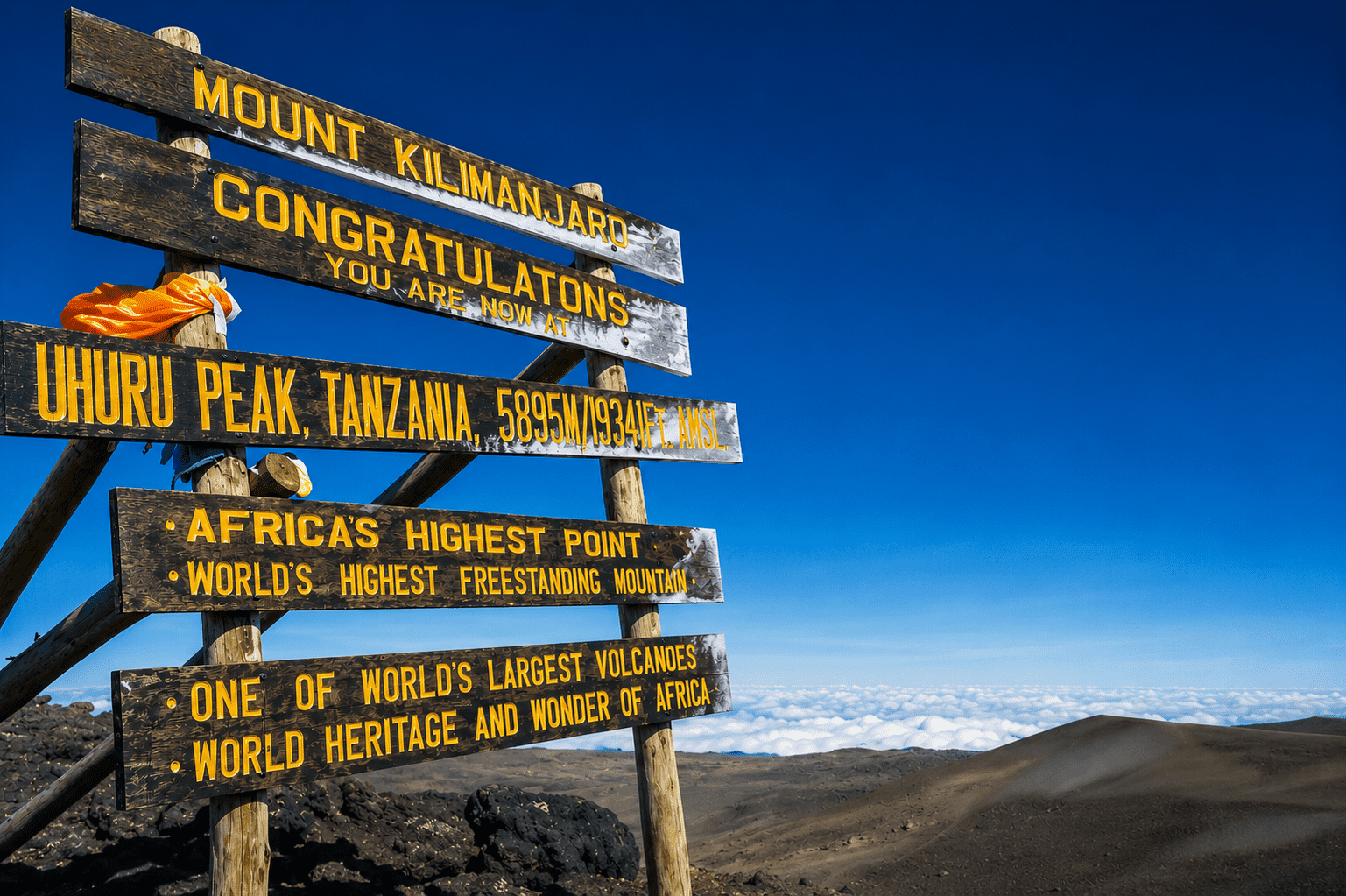
Preparation for Mount Kilimanjaro
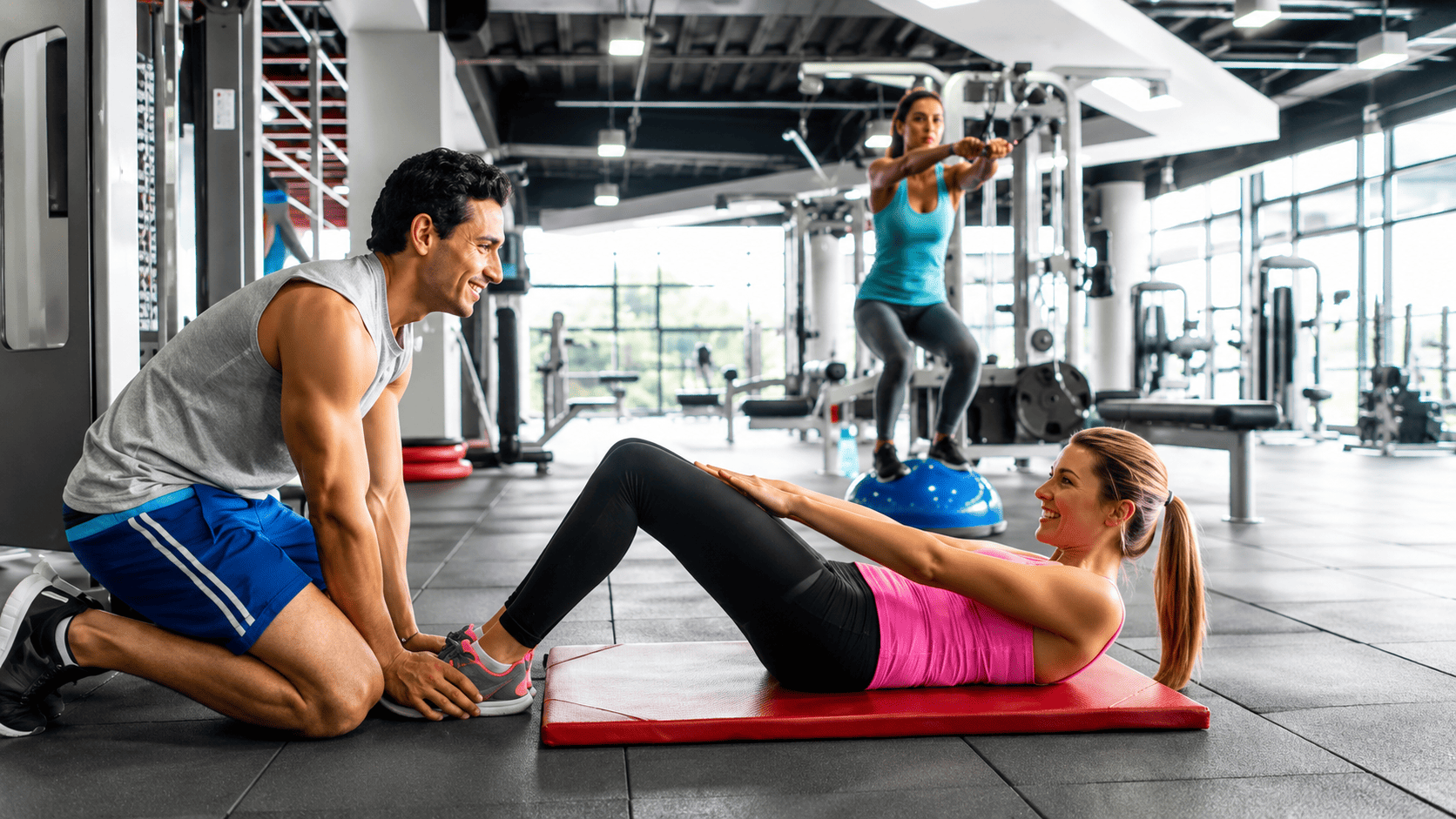
Preparation is a big word and an even bigger concept! It covers the vital question of getting yourself into shape, and here at Kilimanjaro Explore we give you the benefit of our experience on matters such as strength conditioning, aerobic fitness and acclimatization.
But preparation covers much more, too. There’s no point of you being in excellent shape if your clothing and equipment are not – and you certainly want to know what to bring and what to leave at home. So, on these pages we advise you about your clothing, from head to toe, and about all the gear you should bring to make your climb a successful one.
1. Physical preparation
1.1 How can I increase my chances of reaching the summit, before the trip?
Choose a good operator, choose a longer route, and get yourself physically prepared. Physical preparation should start several months before you arrive in Tanzania and should include some hours of hiking with all your gear, if possible.
1.2 And what about increasing my chances during the trip?
Take it slowly, keep well-hydrated, keep well-nourished, rest well and listen to your guides – they are experts, having climbed Kili many times before. Avoiding altitude sickness is key to reaching the summit.
1.3 Pre-climb training
The chances are that you will be planning your Kilimanjaro climb many months before you arrive in Tanzania. Of course, our expert team at Kilimanjaro Explore will be happy to help you plan your adventure. But when it comes to physical preparation, you are responsible for getting into good shape.
2. Clothing and equipment
2.1 What do I need for the climb?
Use our checklist as a guide. Pack light – excess weight becomes a burden for you or your porter.
2.2 Sleeping bags and mattresses
You can bring your own sleeping bag or hire one from Kilimanjaro Explore. A mattress is included in the trip cost.
2.3 Plastic bags
Tanzania has banned single-use plastic bags. Avoid bringing them.
2.4 Drones
Drone use is illegal without special permission.
2.5 What bags should I bring?
You’ll need:
A daypack (max 6kg)
A larger duffel (max ~14–15kg carried by porter)
2.6 Weight limits
Keep porter loads to 15kg max. Extra luggage can be stored safely with Kilimanjaro Explore.
2.7 Tents
We use high-quality expedition tents suitable for Kilimanjaro conditions.
2.8 Sharing tents
Trips are based on two people sharing unless you request a private option.
2.9 Who carries luggage?
Porters carry the main bag. You carry your daypack.
2.10 Daypack weight
Recommended: 5–6kg maximum.
2.11 Equipment list
Proper technical gear is essential. Contact your Kilimanjaro Explore representative for details.
2.12 Rental gear
Various equipment is available for hire.
3. Money
3.1 What currency should I bring?
US Dollars are widely accepted. Bring enough cash for your trip and tipping.
3.2 Extra hotel nights
Additional nights (if needed) are at your own expense.
3.3 If someone descends early
The rest of the group can continue. Adequate guides are provided.
3.4 What if I’m slow?
No problem—climb “pole pole” (slowly). A guide will always accompany you.
4. Health and safety
4.1 Medical check
A pre-climb medical check is strongly recommended. Inform Kilimanjaro Explore of any conditions.
4.2 First aid kit
Our mountain crew carries a comprehensive medical kit.
4.3 Vaccinations
Consult your doctor for required and recommended vaccines.
4.4 Altitude sickness
Can affect anyone. Early detection and descent are key.
4.5 Reducing risk
Climb slowly
Stay hydrated
Eat well
Rest often
4.6 Medical conditions
Consult your doctor and inform Kilimanjaro Explore before booking.
4.7 Oxygen
Carried for emergencies only.
4.8 Evacuation
Handled by trained crew using stretchers and transport to medical facilities.
4.9 Early descent
A guide will accompany you safely back.
4.10 Turning back
You can stop anytime. Safety comes first.
4.11 Temperature
Ranges from hot plains (~30°C) to freezing summit conditions.
4.12 Hypothermia
Possible at high altitude—proper gear is essential.
4.13 Sun protection
Use sunscreen, sunglasses, and hats.
4.14 Safety measures
Daily health checks, trained guides, and emergency equipment ensure your safety.