Kilimanjaro Pre-Climb Health Check & Safety Protocol
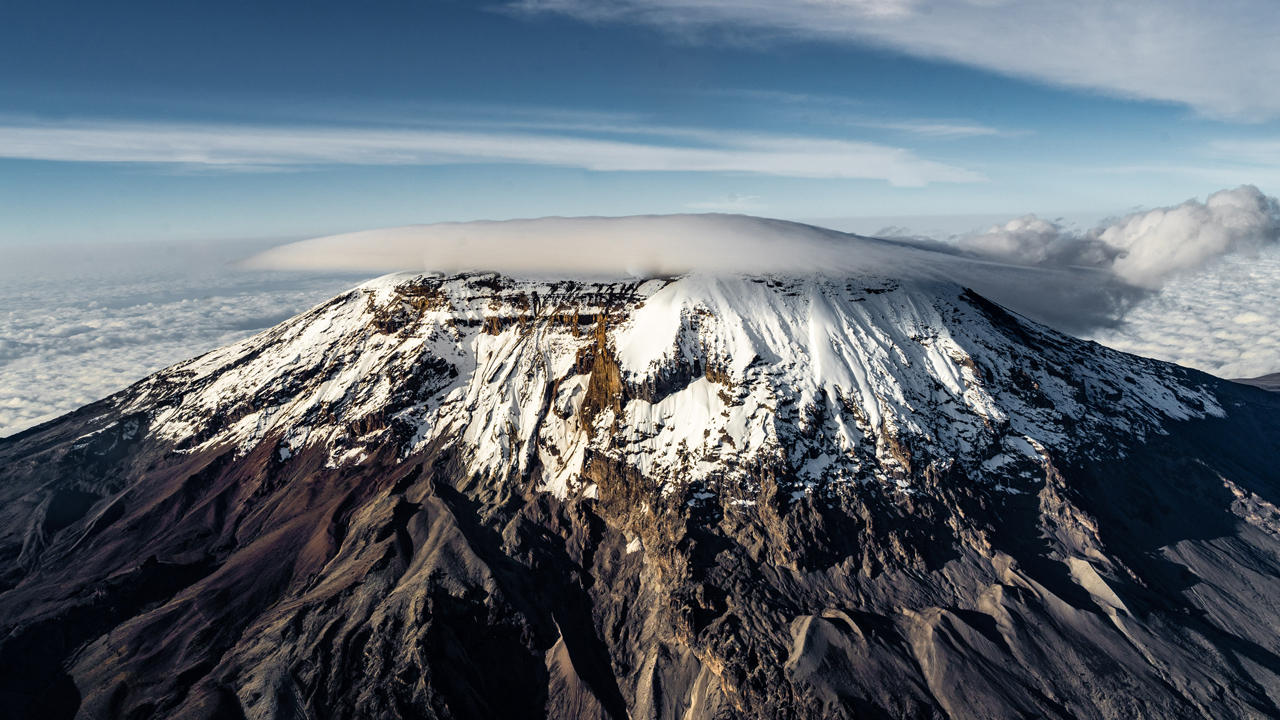
Climbing Mount Kilimanjaro is a once-in-a-lifetime adventure, attracting thousands of trekkers from around the world each year. As the highest mountain in Africa, standing at 5,895 meters (19,341 feet), Kilimanjaro presents not only a physical challenge but also a serious high-altitude environment that requires proper preparation and safety awareness.
One of the most important aspects of a successful summit is understanding and following a comprehensive pre-climb health check and safety protocol. Whether you are an experienced hiker or a first-time trekker, prioritizing your health before and during the climb is essential.
In this guide, we’ll walk you through everything you need to know about Kilimanjaro health checks, altitude safety, and trekking protocols to help you prepare for a safe and successful climb.
Why Health Checks Are Important Before Climbing Kilimanjaro
Kilimanjaro is not a technical climb, but the biggest challenge is altitude sickness. As you ascend, oxygen levels decrease, and your body must adapt to thinner air. Without proper monitoring, altitude sickness can become dangerous.
That’s why a structured health check protocol is critical. It helps to:
Detect early signs of altitude sickness
Monitor how your body is adjusting
Prevent serious health risks
Ensure a safe trekking experience
Increase your chances of reaching the summit
Professional trekking companies take health and safety seriously by implementing strict monitoring systems throughout the climb.
Pre-Climb Medical Check: What You Should Do Before Arrival
Before traveling to Tanzania, all climbers are strongly advised to undergo a medical check-up. This step ensures you are physically fit for high-altitude trekking.
Key Pre-Climb Health Recommendations:
Visit your doctor for a general health assessment
Discuss any pre-existing medical conditions
Check your heart, lungs, and overall fitness level
Ask about altitude sickness prevention medication (if needed)
Ensure vaccinations are up to date
Although Kilimanjaro is achievable for many people, conditions like severe asthma, heart disease, or respiratory issues should be evaluated carefully before attempting the climb.
Daily Health Monitoring During the Climb
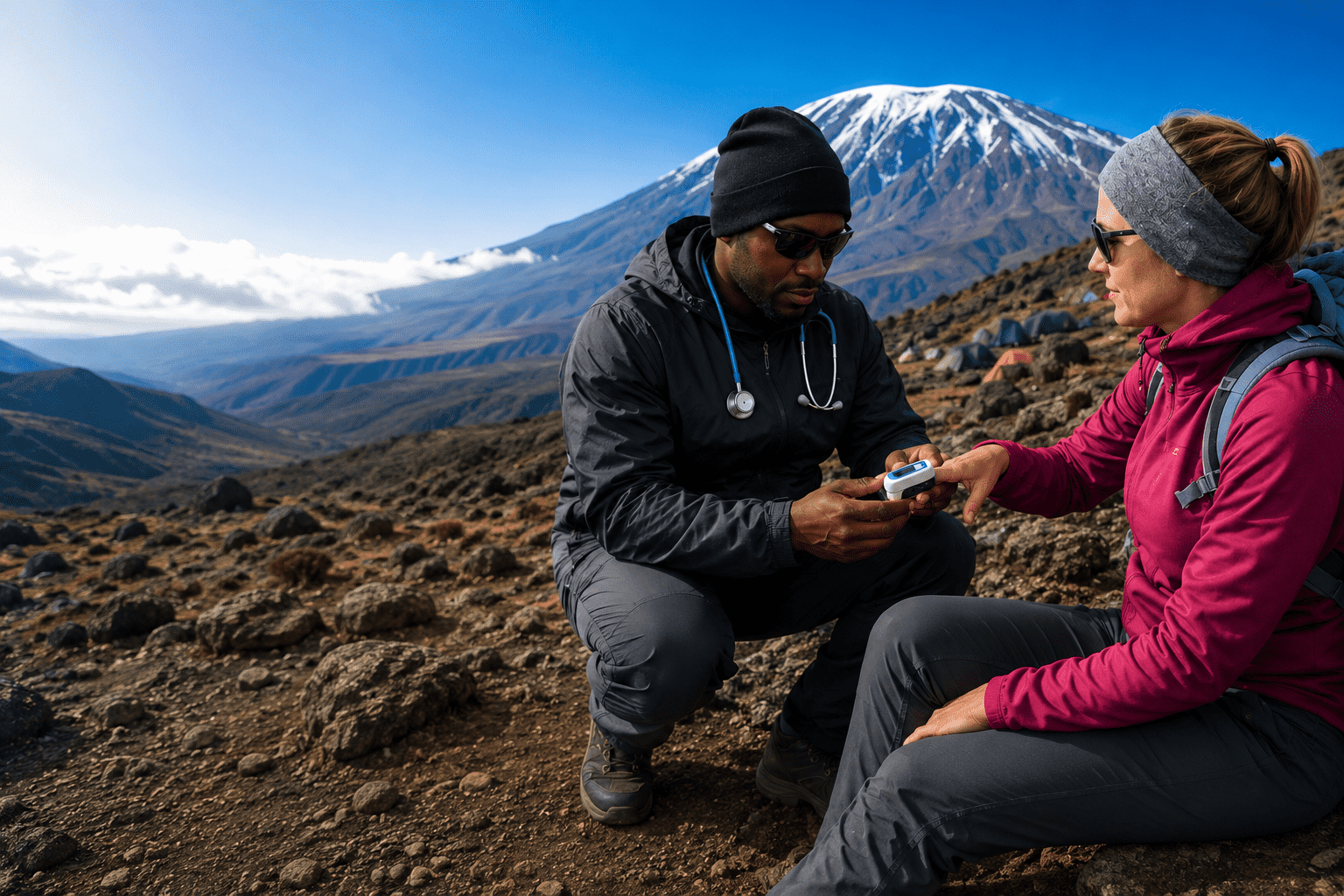
Once your trek begins, professional guides will conduct daily health checks to ensure your safety.
1. Oxygen Saturation (SpO₂) Monitoring
Your blood oxygen level is measured using a small device called a pulse oximeter. This test helps guides understand how well your body is adapting to altitude.
Conducted twice daily (morning and evening)
Helps detect early signs of altitude sickness
Guides decisions on whether to continue or descend
2. Pulse Rate Monitoring
Your heart rate is another important indicator of your physical condition.
Checked alongside oxygen levels
Helps identify stress, fatigue, or poor acclimatization
Supports overall health assessment
3. Symptom Checks and Communication
Guides will regularly ask how you feel and monitor for symptoms such as:
Headache
Nausea
Dizziness
Loss of appetite
Fatigue
Open communication is critical. Always inform your guide if you feel unwell—early action can prevent serious complications.
Understanding Altitude Sickness on Kilimanjaro
Altitude sickness, also known as Acute Mountain Sickness (AMS), is the most common challenge climbers face.
Common Symptoms:
Headaches
Nausea or vomiting
Shortness of breath
Difficulty sleeping
Weakness or fatigue
Severe Conditions (Rare but Serious):
High Altitude Pulmonary Edema (HAPE)
High Altitude Cerebral Edema (HACE)
Professional guides are trained to recognize these symptoms early and take immediate action.
Safety Measures Followed by Professional Trekking Teams
A reputable Kilimanjaro operator will always follow strict safety protocols.
✔ Trained and Certified Guides
All guides are trained in:
First aid
Wilderness emergency response
Altitude sickness management
Their experience is one of the most important safety factors on the mountain.
✔ Emergency Oxygen Supply
Every climb is equipped with supplemental oxygen for emergency use.
Used when a climber shows serious symptoms
Helps stabilize condition before descent
Essential for high-altitude safety
✔ Evacuation Procedures
In case of severe illness, immediate evacuation is arranged.
Rapid descent is the primary treatment
Helicopter evacuation is available (with insurance)
Ground evacuation support is always prepared
For this reason, travel insurance is mandatory, and it must cover:
High-altitude trekking
Emergency evacuation
Medical treatment
Hydration and Nutrition: Key to Staying Healthy
Proper hydration and nutrition play a major role in your performance and safety.
Hydration Tips:
Drink 3–4 liters of water daily
Avoid dehydration at all costs
Limit alcohol and caffeine
Nutrition Support:
Balanced meals provided by the trekking team
High-energy foods for endurance
Warm meals to maintain body strength
Even if your appetite decreases at altitude, it’s important to keep eating regularly.
Physical and Mental Preparation
Climbing Kilimanjaro is both a physical and mental challenge.
Physical Preparation:
Regular hiking practice
Cardiovascular training (running, cycling, swimming)
Strength and endurance workouts
Mental Readiness:
Stay positive and patient
Be prepared for slow progress (“pole pole” – slowly, slowly)
Trust your guides and the process
A strong mindset is just as important as physical fitness when climbing Kilimanjaro.
The Importance of Acclimatization
Acclimatization is the process of your body adjusting to high altitude.
Best Practices:
Choose longer routes (7–9 days)
Climb high, sleep low
Take rest days seriously
Follow your guide’s pace
Rushing the climb increases the risk of altitude sickness and reduces your chances of reaching the summit.
Why Choosing the Right Operator Matters
Not all trekking companies offer the same level of safety. Choosing a professional and experienced team ensures:
Proper health monitoring
Qualified guides
Adequate staff support (guides, porters, cooks)
Emergency preparedness
Always ask about:
Guide-to-climber ratio
Health check procedures
Safety equipment
Client reviews and references
Can You Climb Kilimanjaro Safely?
Yes—thousands of climbers reach the summit every year safely. The key is:
Proper preparation
Following health protocols
Listening to your body
Choosing a reliable trekking company
With the right support system and safety measures in place, Kilimanjaro is an achievable and rewarding adventure.
Final Thoughts
A successful Kilimanjaro climb is not just about reaching the summit—it’s about doing it safely and responsibly.
By following a structured pre-climb health check and safety protocol, you significantly increase your chances of success while minimizing risks.
From medical preparation before your trip to daily monitoring on the mountain, every step plays a crucial role in your journey.
If you’re planning your Kilimanjaro adventure, make sure health and safety are at the center of your preparation. With the right mindset, proper planning, and a professional team, you’ll be well on your way to standing on the “Roof of Africa.”