Mount Kilimanjaro Climbing Budget 2026: How Much Does It Really Cost?
Ask ten different climbers what they paid to climb Kilimanjaro, and you will get ten different answers. Some boast about budget treks that cost less than a used sofa. Others quietly admit their all-inclusive expedition cost more than a used car.
Who is telling the truth? Everyone. And no one.
The reality is that Kilimanjaro climbs exist at every price point. The cheapest budget climbs start around $1,700. The most luxurious private expeditions exceed $4,000. Both can get you to the summit. Both can also leave you cold, sick, or worse.
This guide, written by the financial and safety experts at Kilimanjaro Explore, breaks down exactly where your money goes on a Kilimanjaro climb. You will learn the fixed costs you cannot avoid, the variable costs you can control, and – most importantly – how to spot a dangerous "bargain" before it ruins your adventure.
By the end, you will know how to budget realistically for your 2026 climb and why the cheapest option is almost never the best option.
Part 1: The Big Picture – What Kilimanjaro Actually Costs
Real Price Ranges for 2026
Climb Type | Price Range (per person) | What You Get |
|---|---|---|
Budget climb | $1,700 – $2,200 | Basic tents, older gear, minimal guides, large groups (12+ climbers), questionable safety protocols |
Standard climb | $2,200 – $2,800 | Quality tents, good gear, proper guide ratios (1:4 or better), reliable safety, Kilimanjaro Explore standard |
Premium climb | $2,800 – $3,500 | Top-tier gear, private toilet tents, oxygen available, low guide ratios (1:2), experienced senior guides |
Luxury climb | $3,500 – $4,500+ | Everything premium plus private guides, hotel upgrades, champagne summit celebration, VIP transfers |
The honest truth: Most reputable operators, including Kilimanjaro Explore, fall into the Standard ($2,200-$2,800) range. Anything significantly below $2,000 should trigger serious questions. Anything above $3,500 is paying for comfort and exclusivity – which may be worth it to you.
Why Such a Wide Range?
The price difference comes down to four factors:
Route length – More days = higher park fees + more staff wages
Group size – Smaller groups cost more per person
Gear quality – Newer, warmer, lighter equipment costs more to buy and maintain
Safety protocols – Oxygen, pulse oximeters, satellite phones, certified guides – these cost real money
A $1,700 climb cuts corners on at least two of these. A $3,500 climb adds premium features to all four.
Part 2: The Fixed Costs – Where Your Money Actually Goes
Park Fees ($970 – $1,300+)
This is the single largest line item on any legitimate invoice. Park fees are set by the Tanzanian government and are non-negotiable. If an operator quotes you a price below these fees, they are either lying or planning to evade the park gate – which is illegal and dangerous.
Standard park fees for 2026:
Route Duration | Park Fee (per person) |
|---|---|
6-day (Marangu) | Approximately $850 |
7-day (Machame) | Approximately $970 |
8-day (Lemosho) | Approximately $1,100 |
9-day (Northern Circuit) | Approximately $1,240 |
What park fees include:
Entry permit to Kilimanjaro National Park
Camping or hut fees for each night
Rescue service (basic evacuation from the mountain)
Conservation fees
What park fees DO NOT include:
Guides, porters, or their wages
Food or drinking water
Gear or equipment
Transport to the gate
If an operator claims to offer a 7-day Machame climb for $1,500 total, simple math reveals a problem. Park fees alone consume $970 of that $1,500. That leaves only $530 for guides, porters, food, gear, transport, and profit. Something is being cut. Usually, it is safety.
Team Wages ($450 – $700 per climber)
A Kilimanjaro climbing team is larger than most beginners expect. For a standard 7-day Machame climb with 4 climbers, your team includes:
Role | Number | Daily Wage (approx) | Total for 7 days |
|---|---|---|---|
Chief Guide | 1 | $25-35 | $175-245 |
Assistant Guide | 1 | $15-25 | $105-175 |
Cook | 1 | $15-20 | $105-140 |
Porters | 5-8 | $8-12 per porter | $280-480 |
Total Team Wages | 8-11 people | $665 – $1,040 |
Divided across 4 climbers, that is $166 – $260 per climber in wages alone.
But wait – earlier we mentioned $483 for team wages. Which is correct?
Both. The $483 figure is an average for a specific team size (approximately 6 porters per climber). The range above shows how team size and route length affect total wages. Longer routes require more porter-days. Larger groups spread wages across more climbers.
The critical point: These wages are low by Western standards but fair by Tanzanian standards. Reputable operators pay their teams fairly, provide meals, and offer gear (jackets, boots, tents) for porters. Budget operators often pay less, provide nothing, and leave porters sleeping in cold storage rooms.
Equipment and Meals ($300 – $500 per climber)
Your operator must provide:
Camping gear:
Four-season mountain tents (replaced every 1-2 seasons)
Sleeping pads (closed-cell foam or inflatable)
Mess tent with tables and chairs
Toilet tent (private, with portable toilet)
Kitchen tent and cooking equipment
Meals (3-4 hot meals per day):
Breakfast: Porridge, eggs, toast, fruit, tea/coffee
Lunch: Sandwiches, soup, fruit, biscuits
Dinner: Soup, main course (pasta, rice, meat/vegetables), dessert
Snacks: Popcorn, cookies, nuts, energy bars
Group safety gear:
Pulse oximeters (for monitoring oxygen saturation)
First aid kit (comprehensive, with altitude medications)
Emergency oxygen (tanks and masks)
Satellite phone or emergency beacon
Estimated cost per climber for gear and meals: $300 – $500
Budget operators cut corners here by using older tents (which leak), serving smaller meals (less energy for climbing), or carrying minimal safety gear.
Transportation and Accommodation ($300 – $500 per climber)
This covers everything before and after the mountain:
Item | Cost (per person) |
|---|---|
Airport transfers (round trip) | $50-80 |
Pre-trek hotel (1-2 nights, half board) | $100-200 |
Post-trek hotel (1 night, half board) | $50-100 |
Transport to park gate (round trip) | $30-50 |
Park gate to hotel return | $20-30 |
Total | $250 – $460 |
Kilimanjaro Explore includes: Two nights pre-trek hotel, one night post-trek hotel, all transfers, and breakfast at hotels.
Budget operators may: Use cheaper hotels (further from town, lower quality), share transfers with strangers, or exclude post-trek accommodation entirely.
Part 3: The Variable Costs – What You Control
Tips and Gratuities ($200 – $400 per climber)
Tipping is customary on Kilimanjaro. Your guides, porters, and cook work incredibly hard – carrying heavy loads, waking before dawn to prepare meals, setting up camp in rain and wind. Tips are their primary bonus income.
Kilimanjaro Explore recommended tipping guidelines (2026):
Role | Suggested Tip per Climber (group of 4) |
|---|---|
Chief Guide | $100 – $150 |
Assistant Guide | $50 – $80 |
Cook | $40 – $60 |
Porter (per porter) | $20 – $30 each |
Total per climber | $250 – $400 |
For a group of 2 climbers, tip higher per person (closer to $400-600 total each). For a group of 6+, tip lower per person (closer to $200-300).
The $700 figure mentioned earlier refers to a total tip pool for two climbers ($350 per person) – which aligns with these guidelines.
Important: Tips are not included in your climb price. Bring cash (Tanzanian shillings or US dollars, small bills) for tip distribution on the final day.
International Airfare ($800 – $1,500+)
This varies wildly depending on:
Departure city: New York ($900-1,200), London ($700-1,000), Sydney ($1,500-2,000)
Season: Peak seasons (June-October, December-January) cost more
Booking time: Book 4-6 months ahead for best rates
Airline: KLM, Ethiopian Airlines, Qatar Airways, Turkish Airlines, Kenya Airways
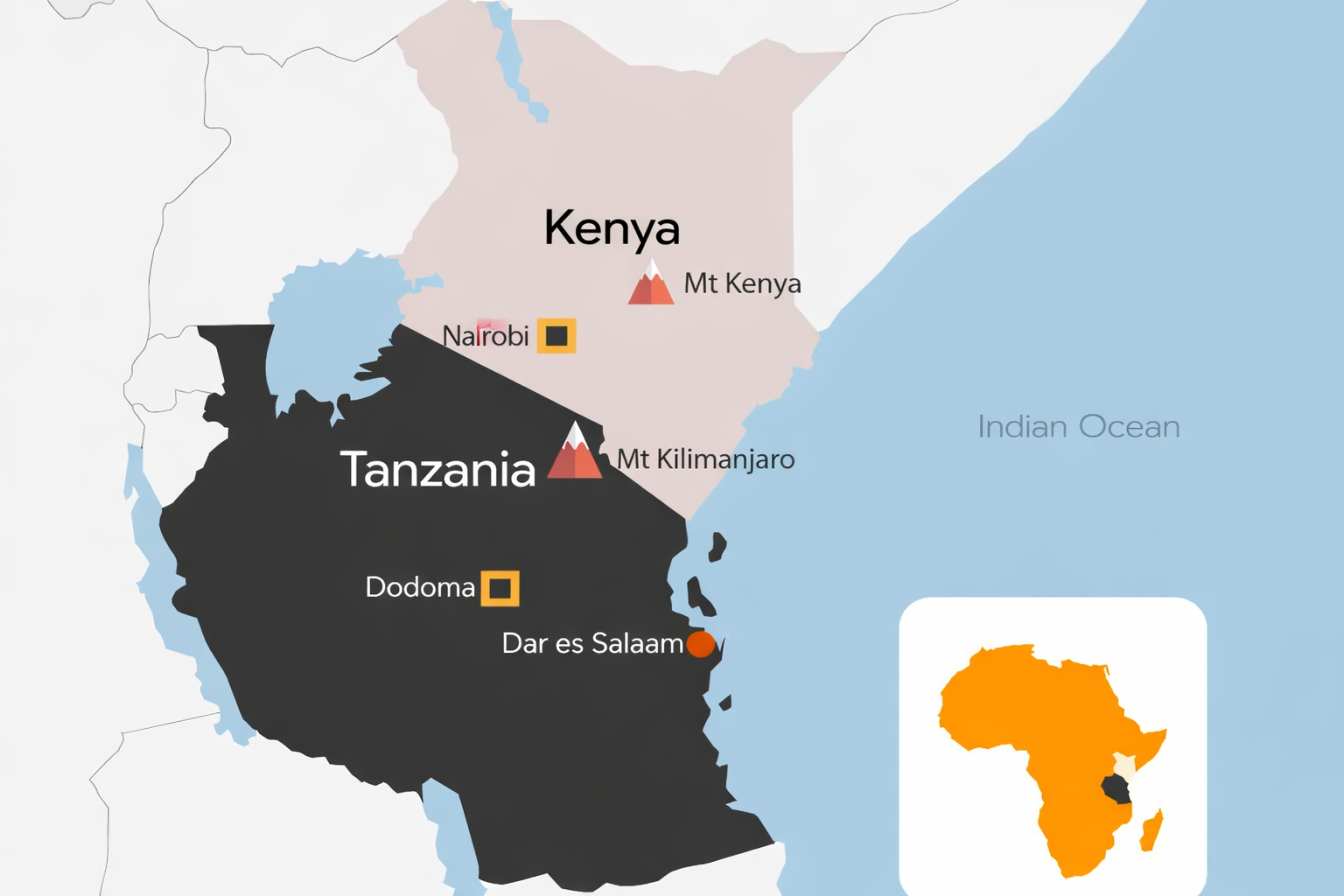
Kilimanjaro International Airport (JRO) is the main gateway. Some climbers fly into Nairobi (Kenya) and take a shuttle bus to Moshi (5-6 hours) – cheaper but longer.
Estimated airfare: $800 – $1,500 from most international hubs
Visa ($50 – $100)
Nationality | Visa Cost | Notes |
|---|---|---|
USA | $100 | Visa on arrival or e-visa |
UK | $50 | Visa on arrival |
Canada | $50 | Visa on arrival |
Australia | $50 | Visa on arrival |
Most EU | $50 | Visa on arrival |
New Zealand | $50 | Visa on arrival |
Visa on arrival is available at JRO and Kilimanjaro border crossings. Bring cash (US dollars) and a passport photo. E-visa can be obtained online before travel – recommended to avoid queues.
Travel Insurance ($80 – $200)
This is non-negotiable. Do not climb Kilimanjaro without insurance that specifically covers:
High-altitude trekking to 6,000m (standard policies often cap at 4,000m)
Emergency evacuation (helicopter rescue from the mountain)
Medical treatment (including altitude sickness)
Trip cancellation/interruption
Lost or delayed baggage
Recommended providers: World Nomads, Global Rescue, Allianz (high-altitude rider), True Traveller (UK), AXA (Europe).
Cost: $80 – $200 for 10-14 days of coverage
Vaccinations and Medications ($100 – $300)
Item | Cost (approx) |
|---|---|
Yellow Fever vaccine (required if arriving from endemic country) | $100-200 |
Typhoid vaccine | $50-100 |
Hepatitis A vaccine | $50-150 |
Malaria prophylaxis (doxycycline or malarone) | $30-100 |
Diamox (acetazolamide) for altitude | $10-30 |
Personal medications (as needed) | Varies |
Yellow Fever note: Required only if you are arriving from a country with yellow fever risk (including transiting through Kenya, Ethiopia, or DRC). Check current requirements before traveling.
Gear and Equipment Rental ($50 – $150)
Even if you own most gear, you may need to rent:
Item | Rental Cost (per climb) |
|---|---|
Sleeping bag (-10°C rating) | $20-30 |
Down jacket | $15-25 |
Trekking poles | $10-15 |
Sleeping pad | $5-10 (often included) |
Headlamp | $5-10 |
Kilimanjaro Explore offers rental gear with advance notice. We recommend buying your own boots, socks, base layers, and sunglasses – these need to fit perfectly.
Safari Extension ($500 – $2,000)
Many climbers add a wildlife safari after their climb. Common options:
Safari | Duration | Cost (per person, sharing) |
|---|---|---|
Tarangire National Park | 1 day | $150-250 |
Lake Manyara | 1 day | $150-250 |
Ngorongoro Crater | 1 day | $250-400 |
Serengeti (basic) | 3 days | $600-900 |
Serengeti (mid-range) | 4-5 days | $1,200-1,800 |
Northern Circuit (luxury) | 6-8 days | $2,000-3,500 |
Kilimanjaro Explore can arrange safari add-ons at competitive rates. Book in advance – safari lodges fill quickly in peak season.
Part 4: Complete Budget Breakdown – Three Scenarios
Scenario 1: Budget Climber (High Risk, Not Recommended)
Expense | Cost |
|---|---|
6-day Marangu climb (budget operator) | $1,700 |
International airfare (economy, booked early) | $900 |
Visa | $50 |
Travel insurance (basic, may not cover altitude) | $60 |
Vaccinations/medications | $100 |
Gear rental | $50 |
Tips (low end, $200) | $200 |
Total (excluding safari) | $3,060 |
Risks: Older gear, questionable safety protocols, poorly paid porters, higher chance of summit failure (70% success rate typical for budget Marangu).
Scenario 2: Standard Climber – Kilimanjaro Explore Recommended
Expense | Cost |
|---|---|
7-day Machame climb (Kilimanjaro Explore standard) | $2,400 |
International airfare (economy, standard booking) | $1,100 |
Visa | $50 |
Travel insurance (high-altitude coverage) | $120 |
Vaccinations/medications | $150 |
Gear rental (if needed) | $50 |
Tips (standard, $300) | $300 |
Total (excluding safari) | $4,170 |
What you get: Quality gear, proper guide ratios (1:3-4), experienced guides, pulse oximeters, emergency oxygen, transparent pricing, 85-90% success rate.
Scenario 3: Premium Climber (Maximum Comfort)
Expense | Cost |
|---|---|
8-day Lemosho climb (premium operator) | $3,400 |
International airfare (premium economy, flexible) | $1,500 |
Visa | $50 |
Travel insurance (comprehensive) | $180 |
Vaccinations/medications | $200 |
Gear purchase (buy everything new) | $500 |
Tips (generous, $450) | $450 |
3-day Serengeti safari add-on | $900 |
Total (with safari) | $7,180 |
What you get: Private guide, private toilet tent, upgraded hotels, champagne summit celebration, highest success rates (95%+), luxury safari experience.
Part 5: Red Flags – How to Spot a Dangerous "Bargain"
Warning Signs in Pricing
Red Flag | Why It's Dangerous |
|---|---|
Price below $1,800 for 7+ days | Simple math: park fees alone are $970. After wages, food, gear, transport, profit is zero or negative. Corners are being cut – usually safety. |
Operator cannot provide detailed breakdown | Transparent operators show you where your money goes. Opaque operators hide their cuts. |
"No park fees" or "discounted permits" | Park fees are fixed. There are no discounts. This is a lie. |
Group sizes of 12+ climbers with one guide | Maximum legal guide ratio is 1:6 climbers. Larger groups are illegal and dangerous. |
No mention of emergency oxygen or protocols | Any reputable operator carries oxygen. If they don't mention it, they probably don't have it. |
Porter wages unclear or suspiciously low | Ethical operators pay porters fairly and provide gear. Ask for their Porters' Protection Policy. |
Questions to Ask Before Booking
"What is your guide-to-climber ratio?" (Answer should be 1:4 or better for beginners)
"Do you carry emergency oxygen and pulse oximeters?" (Answer must be yes)
"What altitude medical training do your guides have?" (Wilderness First Responder or equivalent preferred)
"What is your porter payment and protection policy?" (Ethical operators will explain proudly)
"Can you provide a detailed line-item breakdown of my costs?" (Transparent operators say yes)
"What happens if I need to descend early due to altitude sickness?" (They should have a clear, compassionate policy)
Part 6: Why Kilimanjaro Explore's Pricing Is Different
Kilimanjaro Explore operates in the standard to premium range – typically $2,200 to $3,200 depending on route and group size.
Here is exactly what your money buys with us that budget operators cannot offer:
Feature | Budget Operator | Kilimanjaro Explore |
|---|---|---|
Guide-to-climber ratio | 1:6 (illegal maximum) | 1:3 (beginner-friendly) |
Guide certification | Minimal or unverified | Wilderness First Responder, 50+ summits minimum |
Emergency oxygen | Often none or expired | New tanks, carried on every climb |
Pulse oximeters | Rare | Checked 3x daily |
Satellite communication | Unlikely | Satellite phone on every climb |
Porter gear provision | None (porters buy their own) | Full gear (jackets, boots, tents) provided |
Pre-climb briefing | None or generic email | Live Zoom with your actual guide |
Success rate (Machame 7-day) | 60-75% | 85-90% documented |
You are not paying more for the same service. You are paying for a service that gets you to the summit safely.
Part 7: Money-Saving Tips (Without Cutting Safety Corners)
Legitimate Ways to Save
Tip | Savings | Trade-off |
|---|---|---|
Book during shoulder season (March-May, November) | $200-400 | Wetter conditions, fewer crowds |
Join a larger group (6-8 climbers vs 2-4) | $200-500 per person | Less personalized attention |
Choose Marangu (6-day) over Lemosho (8-day) | $300-500 | Lower success rate (70-75% vs 92-95%) |
Rent gear instead of buying | $200-500 | You don't own the gear afterward |
Share a hotel room pre/post climb | $50-100 | Less privacy |
Book airfare 4-6 months in advance | $200-400 | Requires advance planning |
Skip safari (do another trip) | $500-2,000 | Miss Tanzania's wildlife |
Dangerous "Savings" to Avoid
False Economy | Real Cost |
|---|---|
Choosing the cheapest operator | Summit failure, illness, or injury |
Skipping travel insurance | $50,000+ for helicopter evacuation |
Avoiding Diamox to save $15 | Increased AMS risk, possible summit failure |
Using old, untested boots | Blisters, foot pain, inability to continue |
Flying in same day as climb starts | Jet lag + altitude = dangerous combination |
Final Thoughts – Budget for Success, Not Just Survival
Climbing Kilimanjaro is expensive. There is no way around that. The mountain charges what it charges. Fair wages cost what they cost. Quality gear costs what it costs.
But here is the reframe: You are not "spending $4,000 on a hike." You are investing in one of the most memorable achievements of your life. You are paying for safety, for expertise, for the difference between standing on Uhuru Peak at sunrise and turning back at 5,000 meters with regrets.
The climbers who try to save $500 on a budget operator often lose far more – in comfort, in safety, in summit success, and sometimes in health.
Kilimanjaro Explore's advice: Budget for the climb you actually want to experience. If that means waiting an extra year to save, wait. The mountain will still be there in 2027. But if you go cheap, you may only get one chance – and you may waste it.
Ready to Book Your 2026 Climb?
Contact the Kilimanjaro Explore team for a transparent, detailed quote for your preferred route and group size. We will break down every dollar. We will answer every question. And we will help you budget for the summit – not just for the mountain.
Your adventure deserves the right investment. Choose Kilimanjaro Explore.
Appendix: Sample Budget Worksheet (Downloadable)
Category | Estimated Cost | Your Budget | Notes |
|---|---|---|---|
Climb (7-day Machame, standard) | $2,200-2,600 | ________ | Includes park fees, team, gear, meals, transfers, hotels |
International airfare | $900-1,500 | ________ | Book 4-6 months ahead |
Visa | $50-100 | ________ | On arrival or e-visa |
Travel insurance | $100-200 | ________ | Must cover 6,000m altitude |
Vaccinations/medications | $100-300 | ________ | Visit travel clinic 2-3 months before |
Gear (purchase + rental) | $100-500 | ________ | Boots are most important |
Tips | $250-400 | ________ | Cash, distributed on final day |
Safari (optional) | $500-2,000 | ________ | Book in advance |
Total | $4,200 – $7,500 | ________ | Varies widely by choices |
Need help budgeting? Kilimanjaro Explore offers payment plans. Ask our travel consultants for details.