Kilimanjaro Packing List
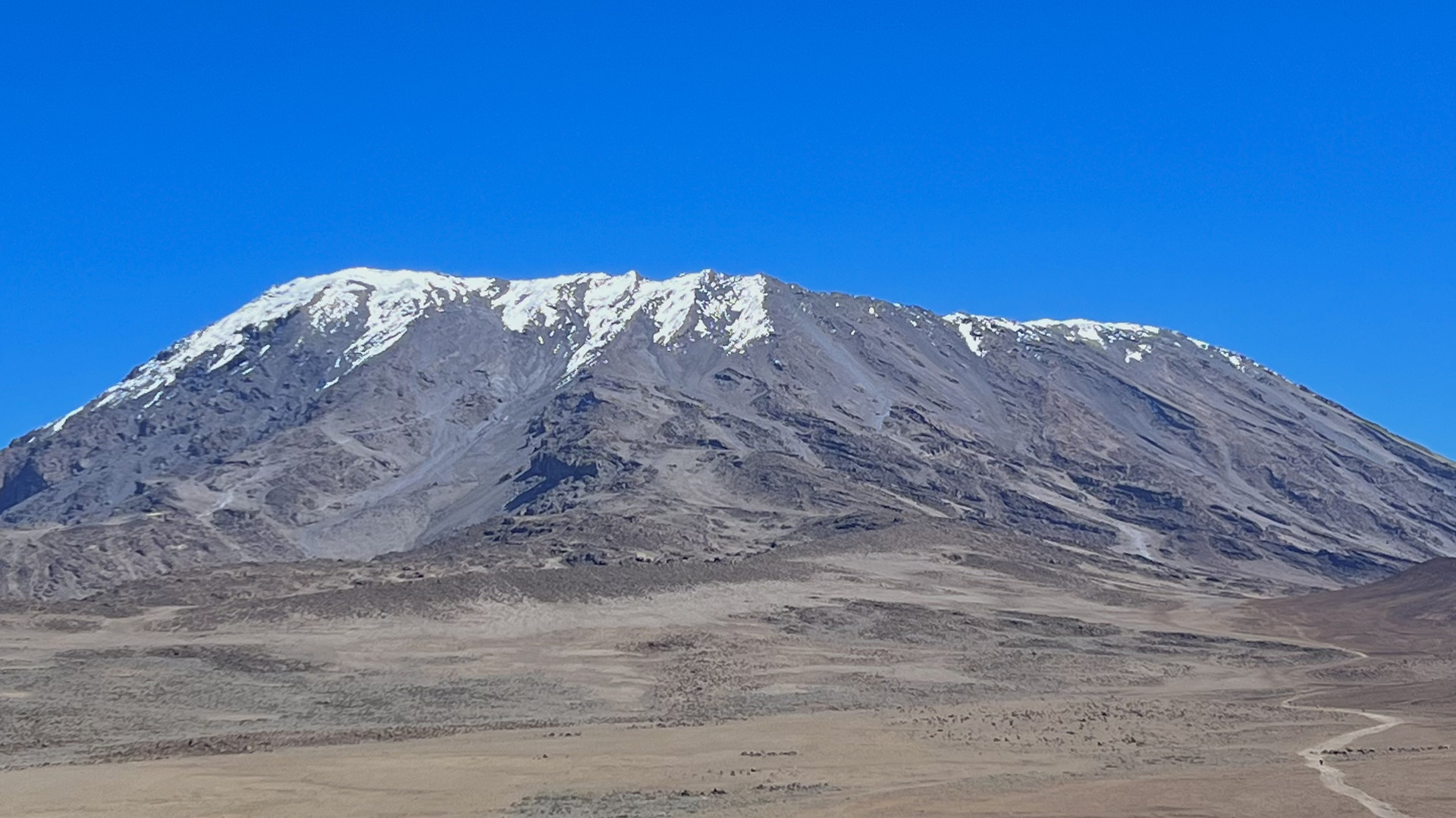
A Kilimanjaro packing system should be treated as a layered survival stack, not a casual hiking list. Conditions shift from humid rainforest (~1,800m) to alpine desert and arctic summit (-10°C to -20°C wind chill). Equipment failure or poor layering is one of the most common reasons for altitude-related turnbacks in 2026 expeditions, particularly on Machame and Lemosho routes.
Below is a field-tested structure used by guiding operations for high-success summit rates
FOR THE HEAD AND FACE

Headlamp or Flashlight: Essential for summit night and useful around camp. Bring spare batteries or a rechargeable headlamp with a backup power source.
Warm Hat (Fleece or Wool): Choose a hat that covers your ears. A balaclava-style hat provides excellent protection against cold summit conditions.
Sun Hat: A wide-brimmed hat or visor is important for shielding your face and neck from the strong equatorial sun.
Sunglasses: High-quality sunglasses with 100% UV protection are essential at high altitude. Glacier glasses or sunglasses with side shields offer the best protection from intense sunlight and glare.
Sunscreen: Use broad-spectrum sunscreen with SPF 30 or higher. The equatorial sun and increased UV exposure at altitude can cause severe sunburn, so bring enough for daily use.
Lip Balm: Bring lip balm with SPF 15 or higher to prevent dry and cracked lips.
Bandanas or Buffs: Versatile items that provide sun and wind protection, can be used as a face covering, sweatband, washcloth, or for cleaning glasses. They dry quickly and are highly recommended.
FOR THE UPPER BODY LAYERS
For climbing the mountain we recommend you have three warm layers for the upper body. Proper layering is essential on Kilimanjaro, where temperatures can range from tropical heat to below freezing near the summit. We recommend carrying three insulating layers for your upper body.
All clothing should be made from wool, fleece (pile), or synthetic materials, which retain warmth even when damp. Make sure each layer fits comfortably over the others to provide effective insulation and allow flexibility as weather conditions change.

A recommended layering system includes:
Base Layer: Moisture-wicking long-sleeve thermal top (synthetic or merino wool).
Mid Layer: Fleece sweater or lightweight insulated jacket for added warmth.
Outer Insulating Layer: Heavy fleece jacket, softshell, or wool shirt for colder conditions.
Lightweight Gloves: A pair of fleece or liner gloves is useful for hiking during cooler mornings and evenings.
Insulated Summit Gloves or Mittens: Bring warm, waterproof gloves or mittens for summit day. These should provide adequate insulation against wind and extreme cold.
Layering Option: Wearing lightweight liner gloves underneath heavier outer gloves offers better warmth and flexibility.:
Waterproof Rain Jacket: Bring a quality rain jacket as your primary rain protection. A poncho is optional and can serve as extra coverage during prolonged rainfall.
Trekking poles (strongly recommended): reduces knee load by up to ~30% on descent).
Avoid cotton clothing. Cotton absorbs moisture, dries slowly, and provides little insulation when wet, making it unsuitable for high-altitude trekking conditions.
FOR LOWER BODY LAYERS:
Proper lower body layering is essential for maintaining warmth, comfort, and protection throughout your Kilimanjaro climb. Temperatures can vary significantly from warm conditions at lower elevations to freezing temperatures near the summit. Layering allows you to adapt to changing weather while keeping your body dry and insulated. Choose clothing made from wool or synthetic materials, as they retain warmth and dry quickly.

Quick-Dry Hiking Shorts: One pair is recommended for warmer days and lower elevations.
Thermal Base Layer Bottoms: One pair of wool or synthetic long underwear for cold conditions and summit night.
Fleece or Softshell Pants: One pair of warm, comfortable pants to wear over your thermal layer.
Waterproof Rain Pants: Essential for protection against rain and wind. Choose breathable, seam-sealed waterproof pants.
Wind Pants (Optional): Lightweight windproof pants are useful if your rain pants are not fully windproof.
Hiking Tights or Leggings: Synthetic or Lycra tights provide additional warmth, dry quickly, and offer sun protection.
Undergarments: Bring enough moisture-wicking underwear for the duration of the trek.
FOOTWEAR

Hiking Boots: We recommend using a mid-weight trekking boots with good ankle support. Recommended brands include: Salomon, Scarpa, Hi-Tec and Merrell
Training shoes: To wear around camp after a day’s trek we recommend bringing a pair of training shoes or sandals
Socks: 3-4 pairs of outer socks and 2-3 pairs of liner socks. We also recommend bringing 1 x thick thermal socks for summit night. Merino wool is the best material and Bridgedale or Smartwool make good trekking socks
Gaiters: One pair of either high or low gaiters made of breathable material to keep dirt and snow out of your boots.
MEDICAL & HEALTH ITEMS

Basic First Aid & Trauma: Adhesive Bandages (Assorted), Sterile Gauze (4×4), Medical Tape, ACE Bandage
Wound Care & Hygiene: Antiseptic Wipes (BZK/Alcohol), Antibacterial Ointment (Neosporin), Hand Sanitizer
Foot Health: Blister Pads (Compeed/Moleskin), Zinc Oxide Tape
Altitude & Hydration: Diamox (Acetazolamide), Oral Rehydration Salts (ORS)
Digestive Health: Loperamide (Imodium), Antacids, Antibiotics (e.g., Ciprofloxacin)
Pain & General Meds: Ibuprofen/Paracetamol, Antihistamines, Throat Lozenges
Tools & Vitals: Tweezers, Small Scissors, Digital Thermometer
Personal & Prescription: Daily Routine Meds, Spare Vision Glasses, Copy of Prescriptions
What Not to Pack in Your Trekking Medical Kit?
To maintain a lightweight and efficient pack, you should avoid heavy glass bottles, bulky cardboard packaging, duplicate medications with the same active ingredients, and any “just in case” drugs that are unfamiliar to your system. Every gram counts when you are climbing above 4,000 meters, so streamlining your kit to include only proven, high-utility essentials is the key to a manageable and effective medical safety net.
SLEEPING GEAR
Sleeping Bag (-10°C to -20°C rated): A high-quality, expedition-grade sleeping bag is essential. It should be suitable for subzero temperatures.
Sleeping Bag Liner/Pillow (Optional): Adds approximately 2–5°C of extra warmth and improves hygiene by keeping the sleeping bag cleaner during the trek
BACKPACKS & DUFFEL BAG
Backpack: 30–40 L (rain cover essential) Duffel bag: 70–100 L (carried by porters; waterproof rated)
PERSONAL DOCUMENTS & MONEY
Passport (mandatory).
Travel insurance (must explicitly cover high-altitude trekking up to 6,000m).
Emergency cash (USD preferred).
HYGIENE & TOILETRIES
Towelettes: Such as “Wash ‘n’ Dries” for general hygiene.
Toiletries: Bring enough for entire trip. Keep simple and light.
Towel: For wash up in camp, a small one is fine
Toilet paper (backup supply even if provided).
ELECTRONICS & ACCESSORIES
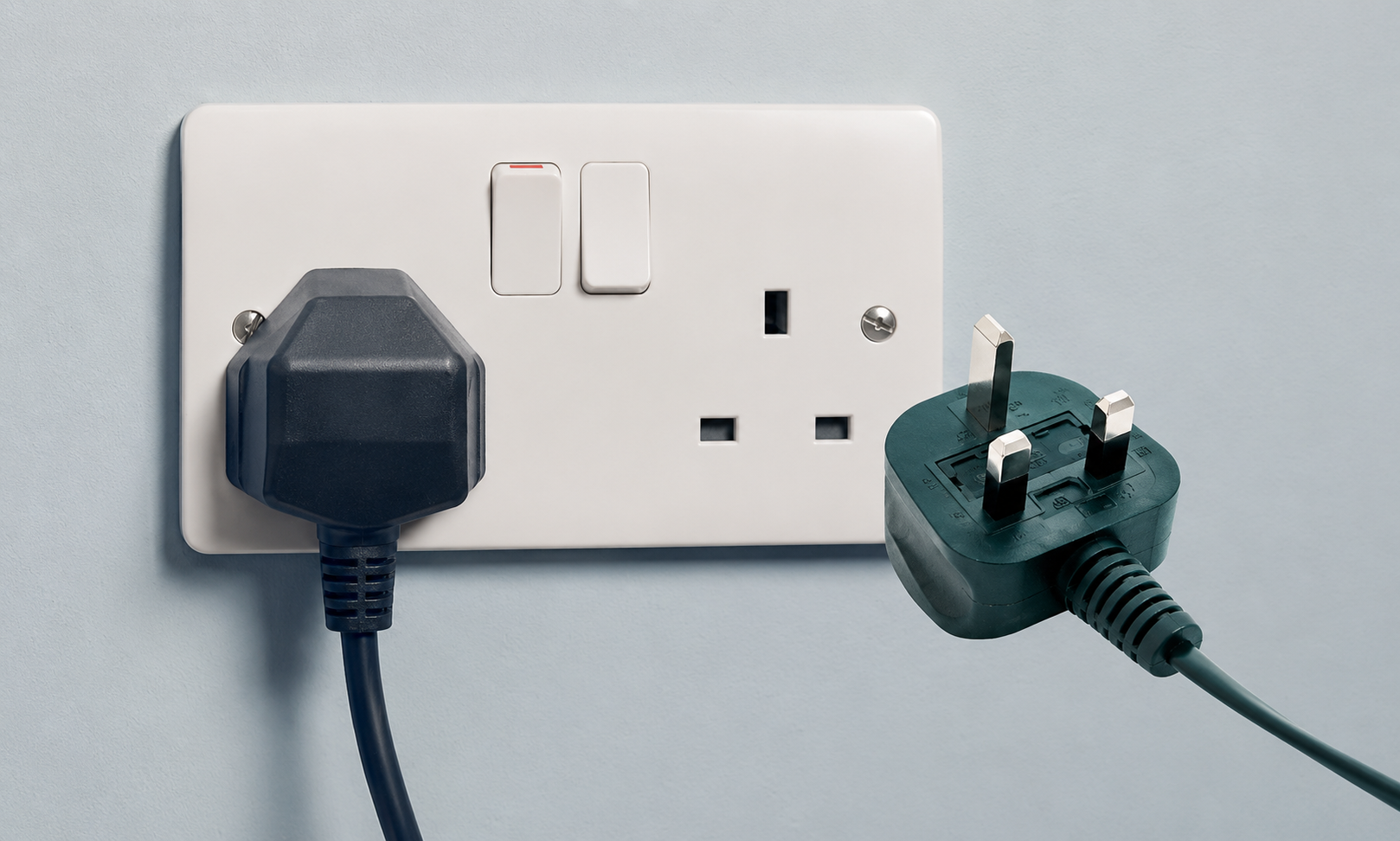
Outlets & Plug Types: Tanzania primarily uses Type G outlets the same British-style sockets found in the United Kingdom.
Power bank (10,000–20,000 mAh minimum).
Phone + optional camera.
HYDRATION SYSTEM
Hydration is one of the most critical performance and safety factors on Kilimanjaro. Altitude increases fluid loss through respiration, and dehydration significantly increases the risk of altitude sickness, fatigue, and poor acclimatization.
Water Carrying Capacity (2–3 Litres): Each climber should carry a total capacity of 2 to 3 litres using a combination of hydration bladder and water bottles. This ensures continuous access to fluids during long hiking sections.
Hydration Bladder (Recommended): A 2–3L hydration system allows easy drinking while walking, which helps maintain consistent fluid intake without stopping frequently.
Insulated Water Bottle: Essential for summit night, as water can freeze at high altitude. Stainless steel or insulated bottles help keep water liquid in sub-zero temperatures.
Electrolytes: Add electrolyte tablets or powders to replace salts lost through sweating and to improve hydration efficiency at altitude.
Water Treatment Awareness: While water is typically provided by the crew, ensure you follow operator guidance regarding purification and refilling schedules.
Field observation (trekking operations): Groups that maintain steady hydration (small frequent intake rather than large intermittent drinking) show significantly better summit success rates and reduced incidence of acute mountain sickness symptoms compared to under-hydrated teams.
SNACKS & ENERGY FOOD

Quick sugars for summit push (dates, sweets), high-calorie snacks (nuts, energy bars, chocolate).
Electrolyte gummies or gels.
WHAT WE PROVIDE

Mattress: With 2-inch thickness.
Pulse Oximeter and Oxygen Tank for emergencies
GEAR RENTAL
Whether you rent or buy your Kilimanjaro gear, how often you plan to hike after climbing Kilimanjaro, and your travel plans before and after coming to Tanzania. It is possible to rent equipment, and we’re more than happy to check things out for you before you start hiking.
“Please review this packing list carefully before your climb, as proper preparation contributes to greater comfort, improved safety, and higher summit success rates.”