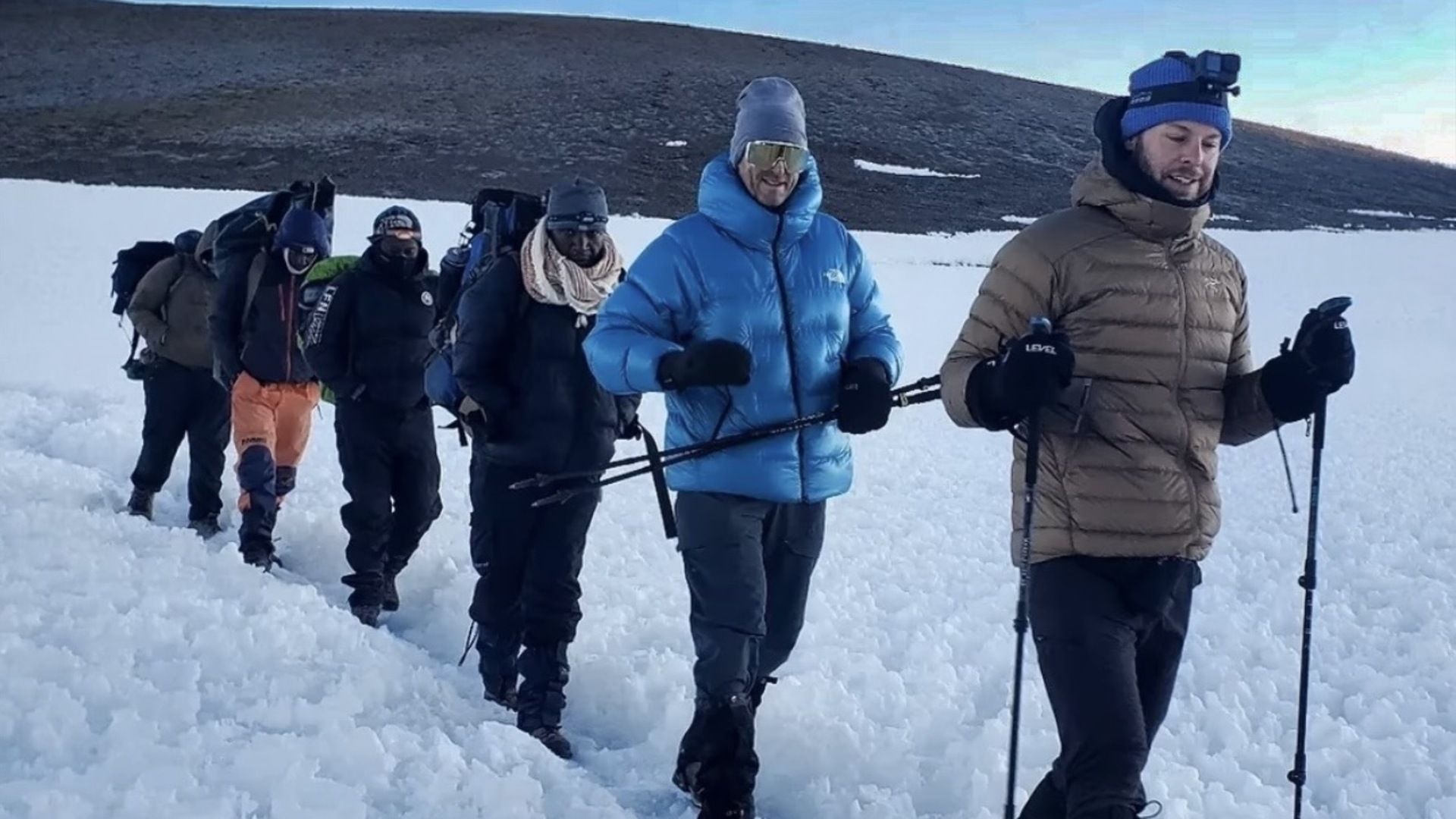
A Complete Guide to Kilimanjaro Climbing: Conquer Africa's Highest Peak
Are you an adventure enthusiast craving a unique, life-changing experience? Standing on the roof of Africa, watching the sunrise paint the glacial ice in shades of gold and pink, is a moment that stays with you forever. Climbing Mount Kilimanjaro—the world’s tallest free-standing mountain and Africa’s highest peak at 5,895 meters (19,341 feet)—is not merely a trek; it is a journey of physical endurance, mental resilience, and profound reward.
This comprehensive guide expands beyond the basics, offering real-world detail on preparation, route selection, altitude science, and how to pair your climb with an unforgettable Tanzania safari.
Understanding Mount Kilimanjaro: More Than Just a Mountain
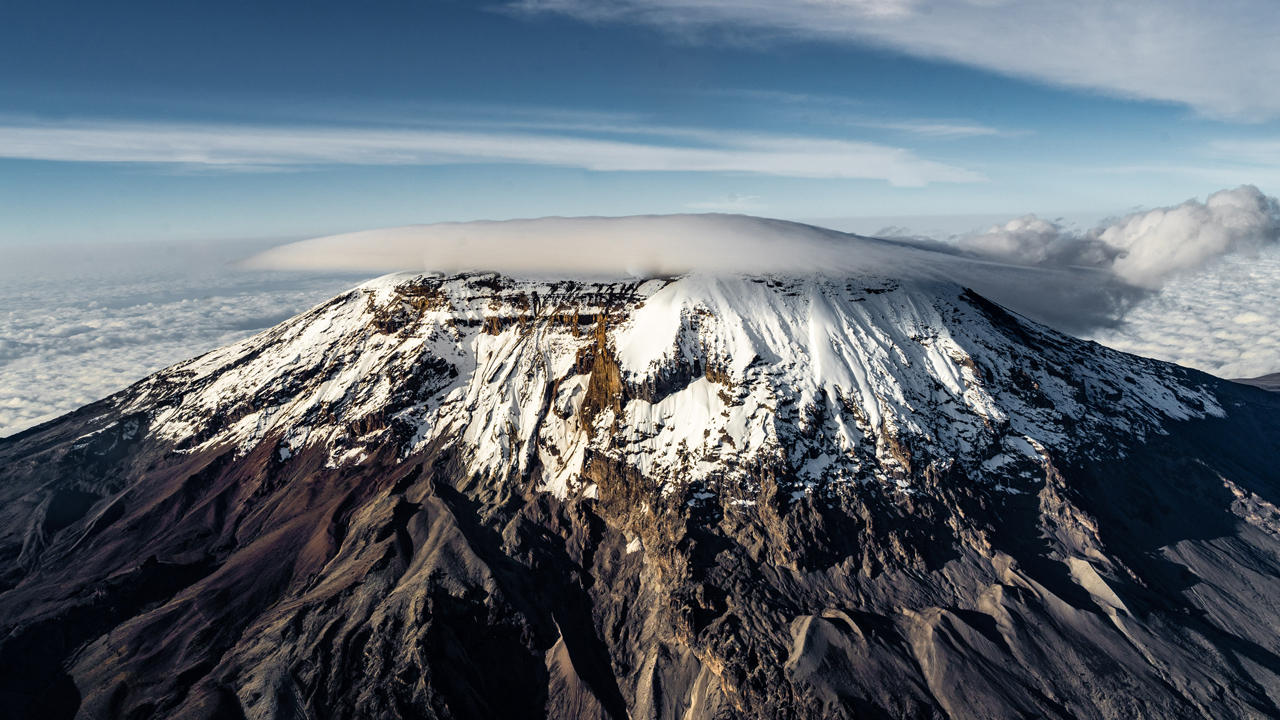
Located in northeastern Tanzania, just 330 kilometers south of the equator and close to the Kenyan border, Kilimanjaro is a dormant stratovolcano composed of three distinct cones. Kibo (5,895 m) is the highest and dormant but not extinct—scientists note it could erupt again. Mawenzi (5,149 m) is jagged, eroded, and extinct. Shira (4,005 m) is a collapsed crater forming a high-altitude plateau on the western side.
What makes Kilimanjaro unique among the "Seven Summits" (the highest peaks on each continent) is its accessibility. Unlike Everest or Denali, no technical mountaineering skills—ropes, crampons, or ice axes—are required on most routes. Yet don't mistake accessibility for ease. The summit success rate averages only 65% for all climbers, dropping to 45% on shorter routes. The challenge isn't climbing; it's enduring altitude.
The Science of Acclimatization: Why Your Body Matters More Than Your Muscles
Most first-time climbers assume physical strength is the key to summiting. That's a dangerous misconception. On Kilimanjaro, your cardiovascular fitness matters far less than your body's ability to produce red blood cells in response to thinning oxygen.
At sea level, air contains roughly 21% oxygen. At Uhuru Peak, that same percentage exists, but the atmospheric pressure is only 49% of sea level. That means each breath delivers half the oxygen your body expects. Without proper acclimatization, you risk Acute Mountain Sickness (AMS)—headaches, nausea, dizziness, and insomnia. Severe AMS can escalate into High-Altitude Pulmonary Edema (HAPE) or High-Altitude Cerebral Edema (HACE), both life-threatening.
The "Pole Pole" Principle: Swahili for "slowly, slowly," this is the golden rule of Kilimanjaro. Your guide will repeat it constantly. Walking slowly—deliberately slower than your natural pace—minimizes oxygen debt and allows your body to adapt.
Real Acclimatization Strategy: The most successful trekkers use a "climb high, sleep low" approach, even within a single day. Many routes (like Lemosho or Machame) incorporate acclimatization hikes: you climb several hundred meters above your camp, then descend to sleep. For example, on Day 3 of the Machame route, you hike to Lava Tower (4,600 m) but sleep at Barranco Camp (3,960 m). That 640-meter difference forces adaptation without overnight hypoxia.
Detailed Route Breakdown: Choosing Your Path to the Roof
Kilimanjaro has seven official routes, but six are commonly used. Your choice determines scenery, traffic, cost, and—most critically—summit odds.
1. Marangu Route ("Coca-Cola Route")
Duration: 5–6 days (but 6 days highly recommended)
Difficulty: Moderate
Success Rate: ~50% on 5-day; ~65% on 6-day
Accommodation: Hut sleeping (dormitory-style)
Best for: Budget climbers who dislike camping
Reality check: Marangu is the only route with sleeping huts, making it popular with cost-conscious travelers. However, its short duration (5 days is common) offers poor acclimatization. The out-and-back trail also means you descend the same way, missing varied scenery. Pro tip: Pay for the extra day (6 days) and add a hike to Mawenzi Ridge to improve acclimatization.
2. Machame Route ("Whiskey Route")
Duration: 6–7 days
Difficulty: Demanding
Success Rate: ~75% on 7-day
Accommodation: Camping
Best for: Adventurous trekkers wanting scenery and good summit odds
This is the most popular route—and for good reason. Machame traverses five distinct climate zones: cultivated farmland, montane forest (watch for colobus monkeys), heathland, alpine desert (moon-like landscapes of giant senecio plants), and finally the arctic summit zone. The "Barranco Wall" on Day 4 is a thrilling near-vertical scramble (not technical, but exposed) that rewards you with breathtaking views. Downside: Crowded. You'll share camps with dozens of other groups.
3. Lemosho Route
Duration: 7–8 days
Difficulty: Moderate to demanding
Success Rate: ~85% on 8-day
Accommodation: Camping
Best for: Trekkers prioritizing summit success and remote wilderness
Lemosho begins on the western side of the mountain, accessed by a long drive from Moshi. The first two days traverse pristine, rarely visited rainforest and heath, then merge with Machame for the final ascent. The extra day(s) built into Lemosho's itinerary make it statistically the most successful route. Real detail: Day 2 of Lemosho crosses the Shira Plateau (3,500–4,000 m), a vast volcanic caldera where you can see zebra and buffalo—yes, wildlife exists above 3,000 meters.
4. Rongai Route
Duration: 6–7 days
Difficulty: Moderate
Success Rate: ~70%
Accommodation: Camping
Best for: Trekkers starting in dry season, or those wanting solitude
Rongai is the only route approaching from the north (Kenyan border). It's drier, dustier, and less scenic than Machame or Lemosho—but it's also far less crowded. Because it approaches from the rain shadow side, Rongai has better weather reliability during November and March rains. Warning: The descent on Rongai requires backtracking or transferring to Marangu's descent path, which can feel repetitive.
5. Umbwe Route
Duration: 5–6 days
Difficulty: Very demanding (steep, direct)
Success Rate: ~50%
Accommodation: Camping
Best for: Experienced, fit mountaineers only
Umbwe is the shortest, steepest route—often called the "Mountaineer's Route." It gains altitude aggressively, offering almost no acclimatization days. Most reputable operators discourage it unless you've successfully climbed above 5,000 meters before. Serious note: Search and rescue calls are disproportionately common on Umbwe.
6. Northern Circuit Route
Duration: 8–9 days
Difficulty: Moderate
Success Rate: ~90% (highest of all routes)
Accommodation: Camping
Best for: Those with time and budget for the highest success odds
The Northern Circuit is the longest route, circling around the mountain's drier northern slopes before joining the summit approach. It's rarely used (only ~5% of climbers), so you'll have almost complete solitude until the final ascent. The extra days make altitude sickness rare. Trade-off: It's expensive (more days = more park fees, guide wages, and food) and requires significant time off work.
What to Pack: The Difference Between Comfort and Misery
Your gear list should be ruthless. Overpacking means paying porters to carry weight (limit is 15–20 kg per climber). Underpacking means being cold, wet, or injured. Here's the non-negotiable list:
Layering System (The Key to Temperature Management):
Base layer: Merino wool or synthetic (no cotton—it stays wet and causes hypothermia). Two sets.
Mid layer: Fleece jacket (300-weight) or lightweight down vest.
Outer layer: Waterproof, breathable shell jacket and pants (e.g., Gore-Tex).
Summit layer: Heavy down parka (rated to -10°C or lower). Summit night temperatures drop to -15°C to -25°C with wind chill.
Footwear:
Waterproof, broken-in hiking boots (never new on the mountain). Get boots with ankle support—the scree slopes near summit are loose volcanic rock.
Thick wool hiking socks (4–5 pairs). Bring liner socks to prevent blisters.
Camp shoes (lightweight sandals or trainers) for evenings in camp.
Critical Extras Often Forgotten:
Headlamp with extra batteries: Summit day starts at midnight. You'll hike 5–7 hours in darkness.
Sun protection: UV at altitude is brutal. SPF 50+ sunscreen, lip balm with SPF, and glacier glasses (category 3 or 4).
Water system: CamelBak hoses freeze above 4,000 m. Use wide-mouth Nalgene bottles plus insulated sleeves. Add hot water at breakfast—your bottles double as foot warmers inside your sleeping bag.
Pee bottle: Sounds crude, but leaving a warm tent at -10°C at 2 AM to urinate is dangerous and miserable. A wide-mouth 1L bottle is standard.
Daily Life on the Mountain: What Nobody Tells You
A typical climbing day follows a rhythm:
6:00 AM: Wake to tea or coffee delivered to your tent by porters. Wash hands with warm water (yes, really—porters heat water daily).
7:00 AM: Breakfast (porridge, eggs, toast, fruit). Meanwhile, porters dismantle camp, pack gear into duffels, and sprint ahead to set up the next camp.
8:00 AM – 1:00 PM: Hiking. You walk 4–6 hours at "pole pole" speed—roughly 1 km per hour on steep sections. Guides stop for 5-minute breaks every hour.
1:00 PM: Lunch (packed sandwiches, biscuits, juice). Afternoon rest or acclimatization hike (1–2 hours higher, then back down).
6:00 PM: Dinner (soup, pasta or rice with protein, vegetables, dessert). Then briefing for the next day.
7:30 PM – 6:00 AM: Sleep. Expect to wake 2–3 times nightly gasping for air—this is Cheyne-Stokes breathing, a normal altitude response.
Summit Night (Days 4–6 depending on route):
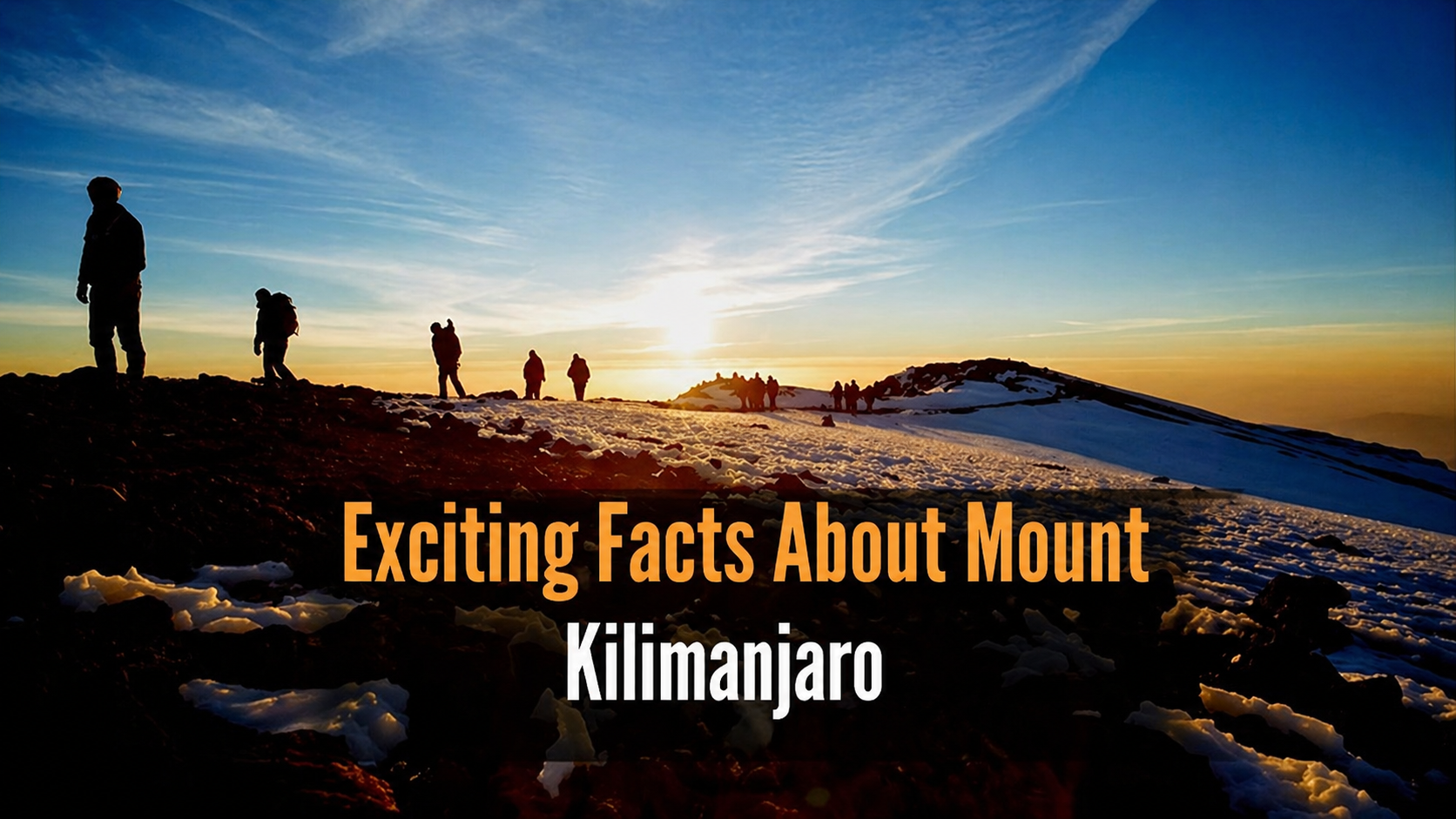
You wake at 11 PM, eat a light snack, and begin hiking by midnight. The first 3–4 hours ascend steep scree to Stella Point (5,756 m) on the crater rim. The final 1–2 hours traverse the crater rim to Uhuru Peak. Temperatures are brutal; wind is relentless. Many climbers vomit, cry, or consider turning back. Your guide's encouragement matters more than your fitness.
Then you reach the summit. The sun rises. You've done it. After 15–30 minutes of photos, you descend 2,000 meters back to camp—often the most dangerous part because exhaustion impairs judgment.
Adding a Tanzania Safari: The Perfect Post-Climb Recovery
After seven days of cold, dust, and exertion, a safari is therapeutic. Tanzania's northern circuit parks lie a short flight or drive from Kilimanjaro Airport.
Serengeti National Park: The great wildebeest migration (1.5 million animals) cycles through the Serengeti year-round. From December–March, they calve in the southern Serengeti; from June–October, they cross the Grumeti and Mara Rivers (crocodile-filled river crossings are peak drama).
Ngorongoro Crater: A UNESCO World Heritage site, this 19-kilometer-wide caldera contains 25,000 large mammals, including the densest lion population in Africa. Because animals can't leave the crater walls, you're virtually guaranteed to see the "Big Five" (lion, leopard, elephant, rhino, buffalo) in a single day.
Lake Manyara & Tarangire: Tarangire, in the dry season (June–October), hosts elephant herds of up to 300 individuals and baobab trees towering over the savannah.
Practical safari tip: Book your safari for after the climb, not before. You'll be exhausted post-summit, but safari vehicles allow sitting and game viewing without physical effort. Conversely, climbing after safari risks your legs being stiff from sitting in jeeps.
Local Culture and Responsible Tourism
Your climb supports Tanzania's economy through park fees ($70–$100 per person per day), guide wages, and porters. But not all operators treat porters ethically. Red flags: Porters without proper gear (rain jackets, warm sleeping bags) or carrying loads exceeding 25 kg.
Choose a Kilimanjaro Porter Assistance Project (KPAP)-certified operator. KPAP audits companies to ensure porters receive fair pay, three meals daily, and proper equipment. You can help by tipping porters directly (standard is $5–$10 per porter per day, pooled at the end).
Cultural visits: Many climbers add a day in Moshi or Arusha to visit Maasai villages or Chagga communities (the Chagga are Kilimanjaro's indigenous people, living on the mountain's slopes for centuries). You'll see traditional banana beer brewing, coffee plantations (Kilimanjaro coffee is world-renowned), and learn about the Chagga's underground irrigation tunnels—ancient engineering still in use.
Final Thoughts: Is Kilimanjaro for You?
Climbing Kilimanjaro is expensive (budget $2,000–$5,000 for the climb alone, plus flights, tips, and safari). It's physically punishing. You might fail—10–35% of people do, even with preparation.
But standing at Uhuru Peak, looking down at clouds wrapped around the African plains, you understand why thousands attempt it each year. It's not conquering a mountain; it's discovering your own resilience. And then you descend to the savannah, watch a lion stalk prey at sunset, and realize Tanzania offers two of the world's greatest adventures within a week's journey.
Pack your boots. Train your lungs. Go slowly, slowly. The roof of Africa is waiting.