Kilimanjaro Packing Guide: Essential Gear for a Safe and Successful Climb
Climbing Mount Kilimanjaro is an incredible adventure, but success depends on proper preparation—especially when it comes to packing the right gear. The climb takes you through diverse climate zones, from hot and humid rainforests to freezing Arctic conditions at the summit. This ultimate packing guide ensures that you bring everything needed for a safe and comfortable ascent.
Essential Packing Checklist
1. Clothing
Since Kilimanjaro has multiple climate zones, layering is crucial. You’ll need:
Base Layers (Moisture-Wicking)
2-3 moisture-wicking thermal tops (merino wool or synthetic)
2-3 moisture-wicking thermal bottoms
Insulating Layers
Fleece or down jacket (lightweight and packable)
Insulated synthetic or down mid-layer
Warm trekking pants (fleece-lined recommended)
Outer Layers (Windproof & Waterproof)
Hard shell waterproof jacket with a hood (Gore-Tex or similar)
Waterproof hiking pants
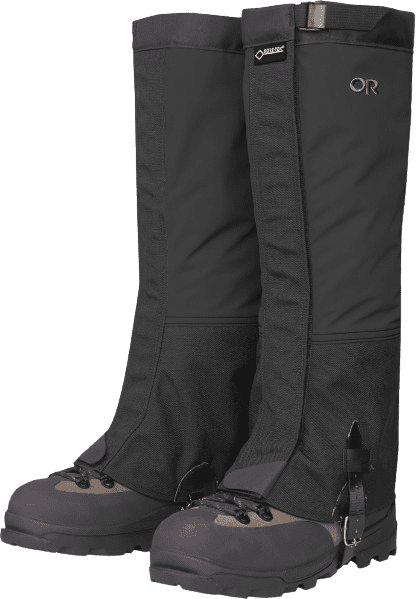
Gaiters (to keep debris and moisture out of boots)
Trekking Clothes
2-3 pairs of trekking pants (quick-dry material)
3-4 breathable, moisture-wicking T-shirts
1-2 long-sleeve trekking shirts (for sun and insect protection)
Summit Night Gear
Heavy insulated down jacket (essential for freezing temperatures)
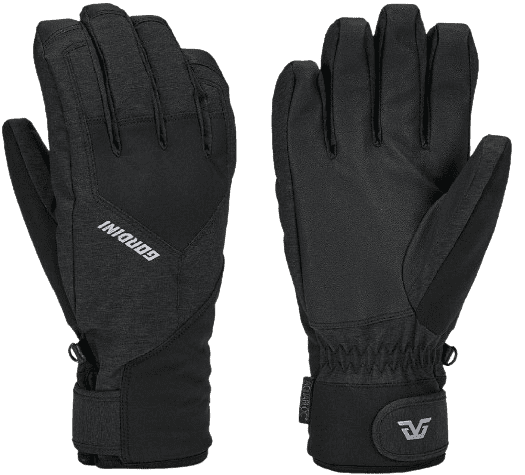
Thermal gloves and mittens
Balaclava, neck gaiter, or scarf
Warm hat (fleece or wool)
2. Footwear
Proper footwear is critical for comfort and injury prevention:
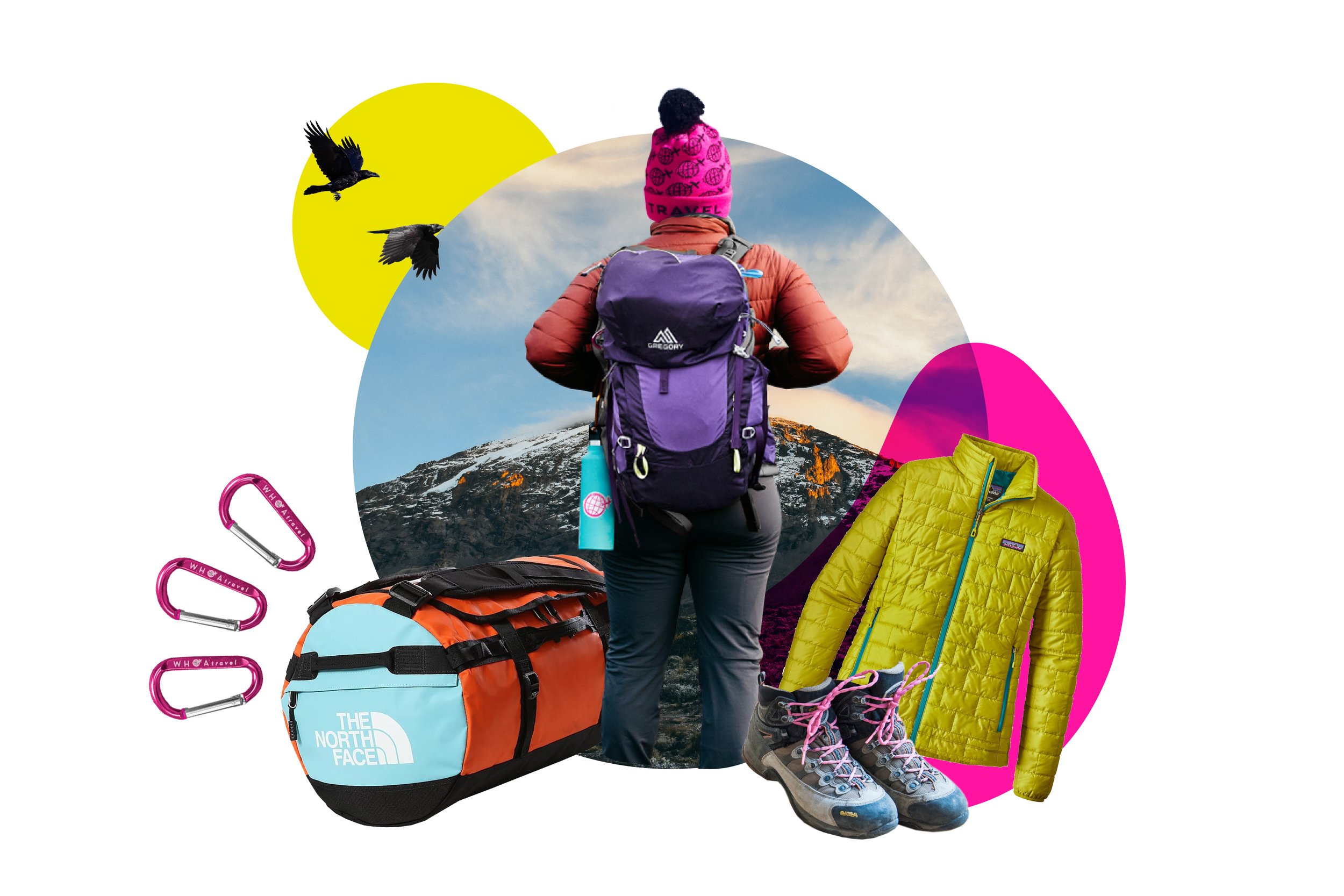
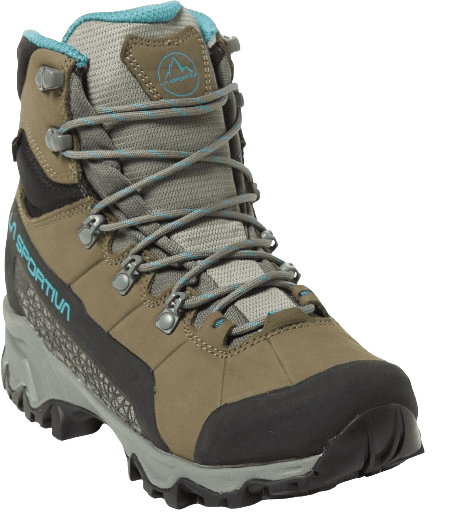
Hiking boots: Waterproof, well-broken-in, with ankle support
Camp shoes: Lightweight sneakers or sandals for evenings
Gaiters: Protects boots from mud, dust, and snow
Thick wool socks: 3-5 pairs for warmth and moisture-wicking
Liner socks: 2-3 pairs to prevent blisters
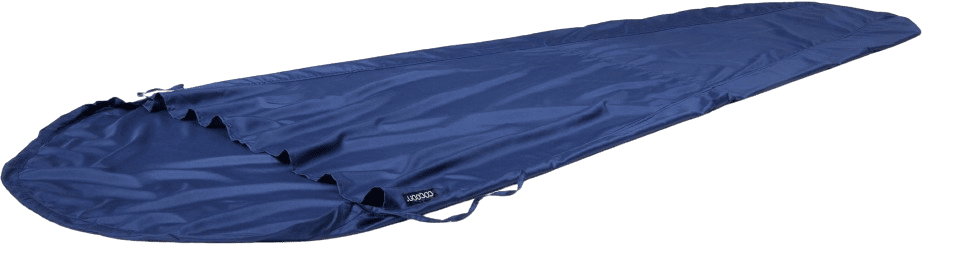
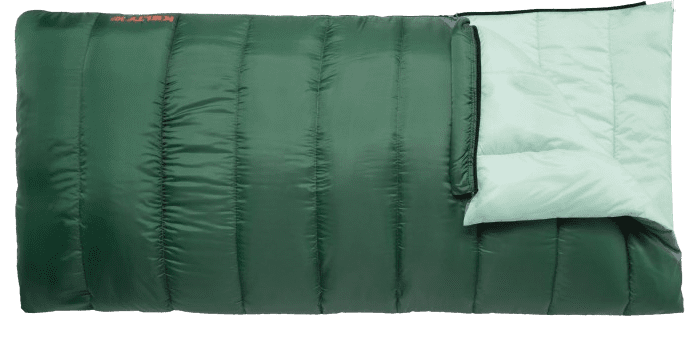
3. Sleeping Gear
Sleeping bag: Rated for at least -10°C (14°F), preferably down-filled
Sleeping pad/mat: Adds insulation and comfort
Inflatable pillow or stuff sack with clothes
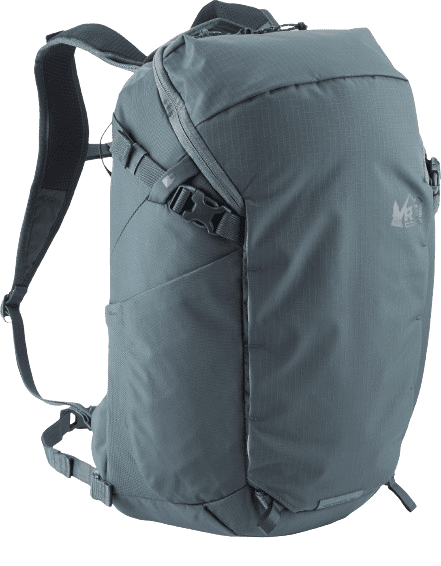
4. Bags & Backpacks
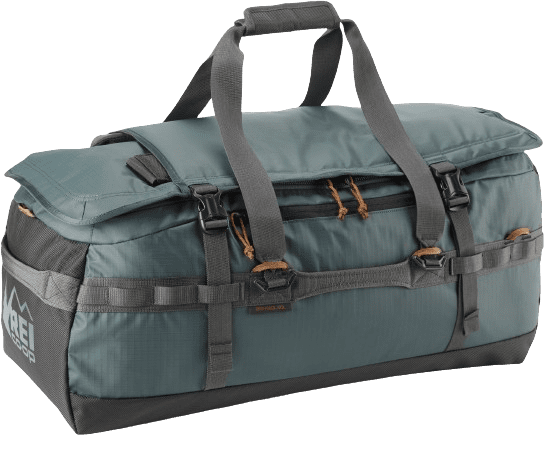
Duffel bag (80-100L): Carried by porters; waterproof recommended
Daypack (25-35L): For essentials like water, snacks, and camera
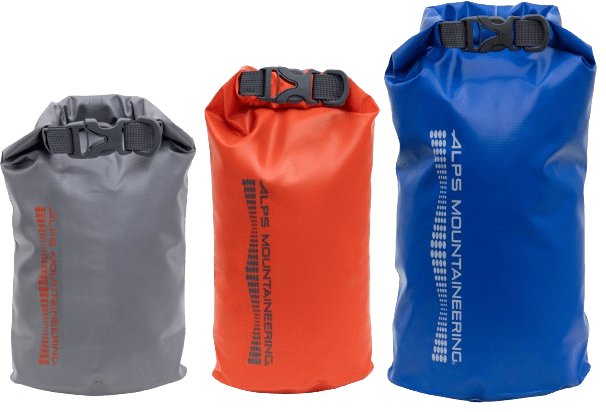
Waterproof dry bags: Protect electronics and clothes from moisture
5. Hydration & Nutrition
Water bottles (1-2L) or hydration bladder (3L)
Water purification tablets or filter
Electrolyte powder or energy drink mix
High-energy snacks (nuts, protein bars, dried fruit, chocolate)
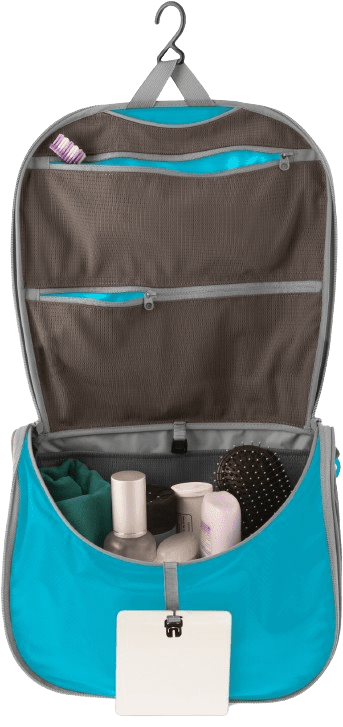
6. Personal Health & Hygiene
Sunscreen (SPF 50+)
Lip balm with SPF
Wet wipes and biodegradable soap
Toothbrush and small toothpaste
Quick-dry towel
Toilet paper (carry in Ziploc bag)
Hand sanitizer
Blister treatment (moleskin, tape, or bandages)
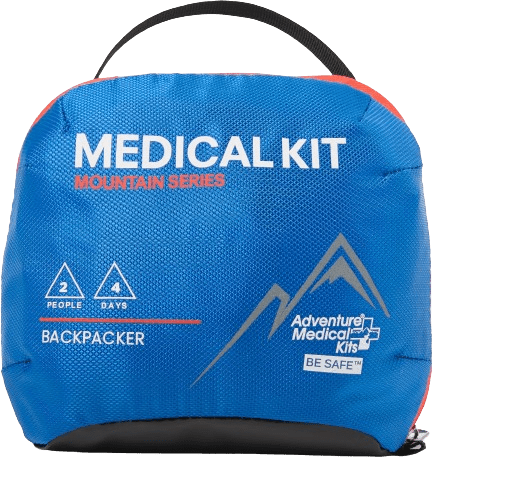
Basic first-aid kit (painkillers, altitude sickness medication, Imodium, bandages, antiseptic wipes)
7. Electronics & Accessories
Headlamp + extra batteries (for early morning and summit night hikes)
Camera or smartphone + power bank
GPS watch or trekking app (optional)
Trekking poles (adjustable, lightweight)
Multi-tool or Swiss Army knife
8. Travel Documents & Money
Passport & visa copy
Vaccination certificates (yellow fever may be required)
Travel insurance details
Cash (USD for tips and souvenirs)
Emergency contact list
Pro Packing Tips
Layer Smartly: Avoid cotton as it retains moisture. Use moisture-wicking, synthetic, or wool layers.
Break in Your Boots: Prevent blisters by wearing your hiking boots before your trip.
Go Lightweight: Avoid overpacking. Stick to essentials.
Stay Hydrated: High altitudes dehydrate you faster—drink plenty of water.
Train with Your Pack: Get used to carrying your daypack with some weight before your climb.
Conclusion
Packing properly for Kilimanjaro is essential for a successful trek. By bringing the right clothing, gear, and supplies, you’ll increase your chances of a safe and comfortable climb. Use this packing list as your ultimate guide to ensure that you are fully prepared for your adventure to the Roof of Africa!
Reviewed by Gilberto.