Mount Kilimanjaro: Iconic Facts About Africa’s Highest Peak
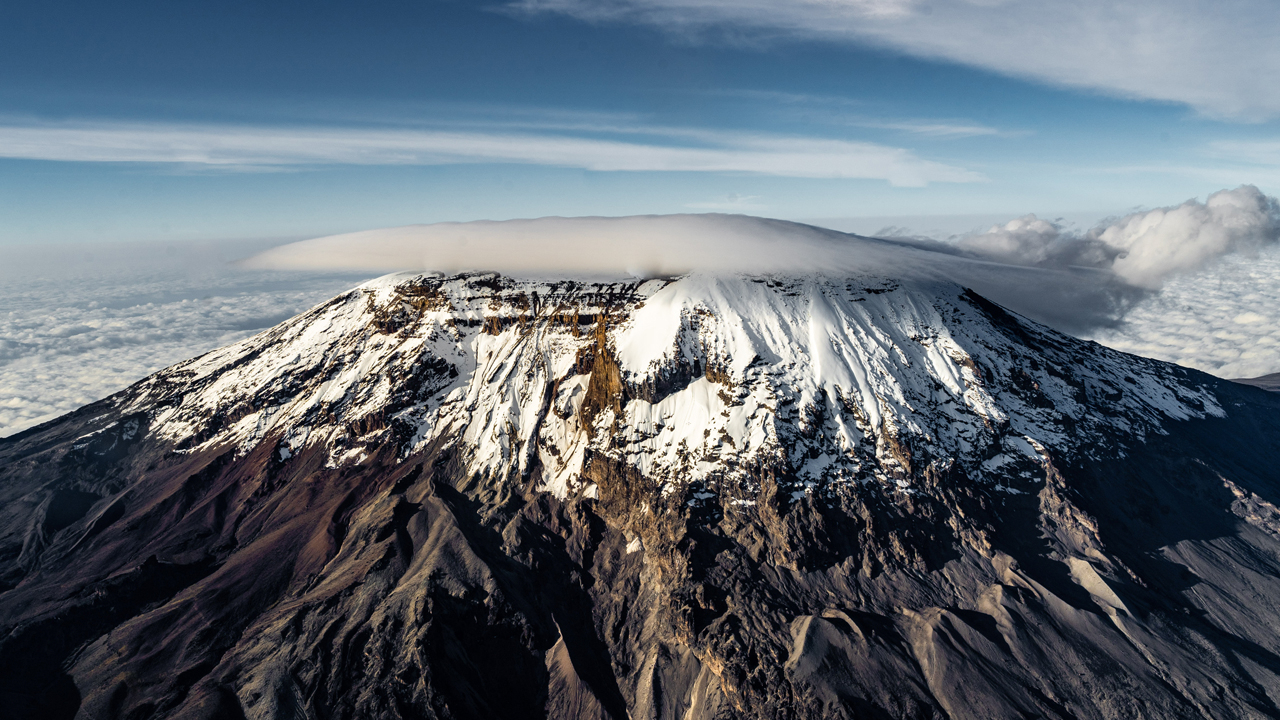
Mount Kilimanjaro is one of the most iconic mountains in the world, attracting thousands of climbers, trekkers, and adventurers every year. Located in Tanzania, this majestic peak is Africa’s highest mountain and one of the Seven Summits. Whether you’re planning a trek or just curious about this natural wonder, here are some fascinating facts about Mount Kilimanjaro.
1. Mount Kilimanjaro is the Tallest Freestanding Mountain in the World
Unlike mountain ranges like the Himalayas or the Andes, Mount Kilimanjaro stands alone, towering at 5,895 meters (19,341 feet) above sea level. This makes it the tallest freestanding mountain in the world.
2. It’s One of the Seven Summits
Mount Kilimanjaro is part of the elite Seven Summits—the highest mountains on each continent. The Seven Summits are considered a major challenge for climbers worldwide, making Kilimanjaro a bucket-list destination.
3. A Dormant Volcano with Three Cones
Kilimanjaro is actually a massive stratovolcano with three volcanic cones:
Kibo (the highest and dormant cone)
Mawenzi (rugged and eroded)
Shira (collapsed and eroded over time) While Kibo is dormant, scientists suggest it could erupt again in the future.
4. A Variety of Climate Zones
Climbing Kilimanjaro is like experiencing a journey from the tropics to the Arctic in just a few days. The mountain features five distinct ecological zones:
Cultivation Zone (800m – 1,800m)
Rainforest Zone (1,800m – 2,800m)
Moorland Zone (2,800m – 4,000m)
Alpine Desert Zone (4,000m – 5,000m)
Arctic Zone (5,000m – 5,895m) Each zone offers unique scenery and conditions, making the trek a breathtaking experience.
5. The Fastest Ascent Record
While most climbers take 5-9 days to reach the summit, the fastest recorded ascent was achieved by Karl Egloff in 2014, who ran to the summit and back in an astonishing 6 hours and 42 minutes!
6. First Successful Summit in 1889
The first recorded ascent of Mount Kilimanjaro was made by Hans Meyer and Ludwig Purtscheller in 1889. Since then, thousands have followed in their footsteps to reach Uhuru Peak.
7. Home to Vanishing Glaciers
Mount Kilimanjaro was once covered in vast glaciers, but due to climate change, these ice fields have been receding. Some experts predict that Kilimanjaro’s glaciers could disappear entirely within the next few decades.
8. No Technical Climbing Required
Unlike other famous peaks, Kilimanjaro does not require mountaineering skills, ropes, or special equipment. This makes it one of the most accessible high-altitude climbs in the world
9. The Seven Main Routes to the Summit
There are seven main routes to climb Kilimanjaro, each offering a unique experience:
Marangu Route (Coca-Cola Route – the only one with hut accommodations)
Machame Route (Whiskey Route – scenic but steep)
Lemosho Route (Most scenic, high success rate)
Shira Route (Starts higher, great views)
Rongai Route (Best for dry season, less crowded)
Umbwe Route (Steep and direct, for experienced trekkers)
Northern Circuit (Longest, most gradual, highest success rate)
10. The "Roof of Africa" Offers Stunning Views
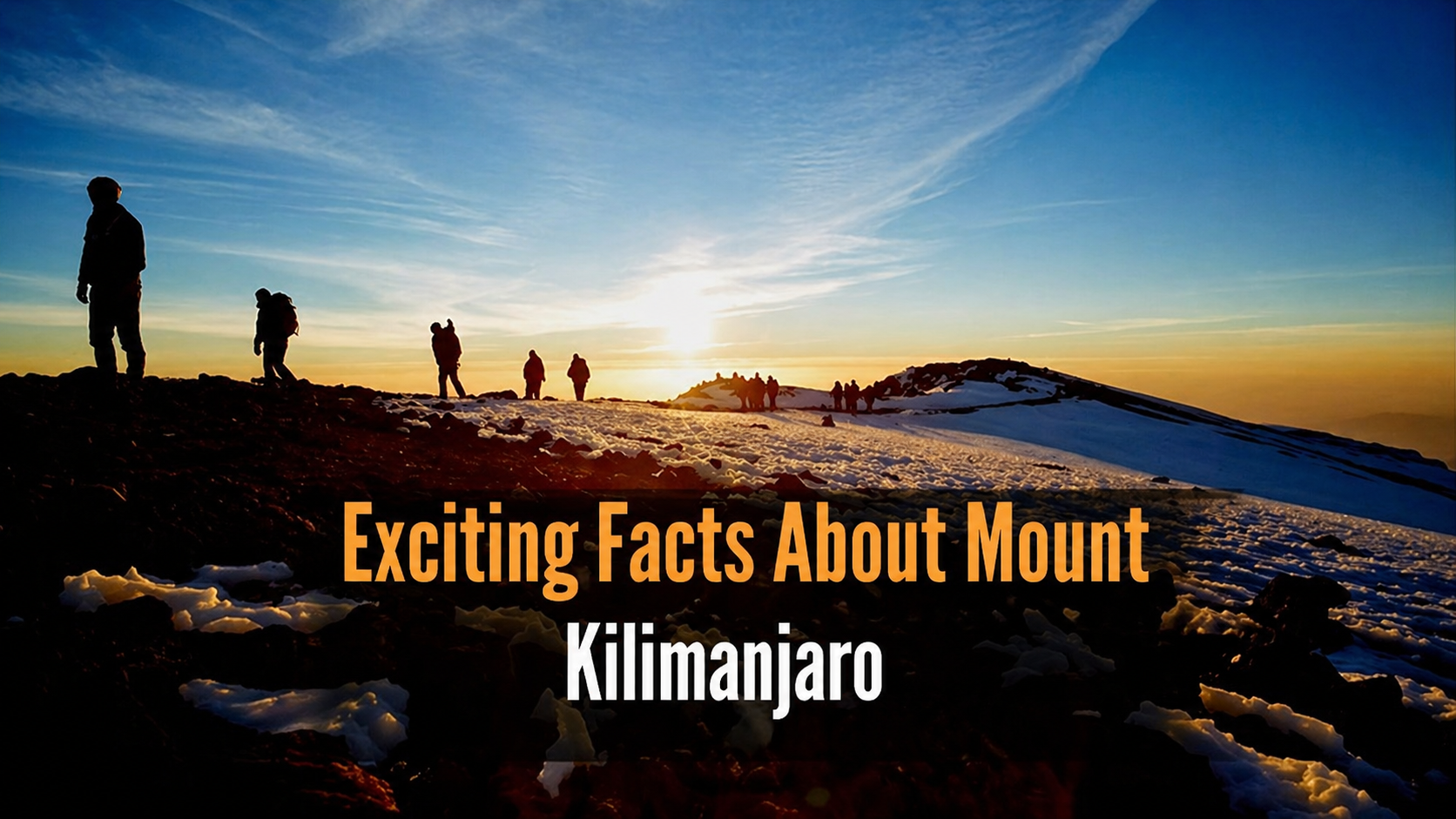
Reaching Uhuru Peak rewards climbers with spectacular views of glaciers, volcanic formations, and the vast African plains below. On a clear day, you can even see Mount Meru and parts of Kenya.
11. Kilimanjaro is Sacred to the Chagga People
The Chagga people, the indigenous tribe around Kilimanjaro, consider the mountain sacred. Local legends say the peak is guarded by spirits, and offerings were traditionally made to ensure a successful climb.
12. Wildlife on Kilimanjaro
Though not known for large animals, Kilimanjaro is home to unique wildlife, including:
Colobus monkeys and blue monkeys in the rainforest
Elephants and buffalo in the lower slopes
Leopards and antelope in the moorland
Rare bird species like the Malachite Sunbird
13. One of the Most Popular Climbing Destinations
Every year, 35,000 to 50,000 climbers attempt to summit Kilimanjaro. The success rate depends on the route chosen and acclimatization time, with longer routes having a higher success rate.
14. A Major Economic Contributor to Tanzania
Tourism from Kilimanjaro treks significantly boosts Tanzania’s economy, generating millions of dollars annually and providing jobs for porters, guides, and local businesses.
15. The Kilimanjaro Marathon
Held annually, the Kilimanjaro Marathon is an exciting race that attracts runners from all over the world, offering a challenging but scenic course around the base of the mountain.
Conclusion
Mount Kilimanjaro is more than just a mountain; it’s a symbol of adventure, perseverance, and natural beauty. Whether you’re planning to climb or just admiring from afar, this UNESCO World Heritage Site continues to inspire explorers and nature lovers alike. If conquering Kilimanjaro is on your bucket list, start training and embark on an unforgettable journey to the Roof of Africa!
Reviewed by Gilberto.