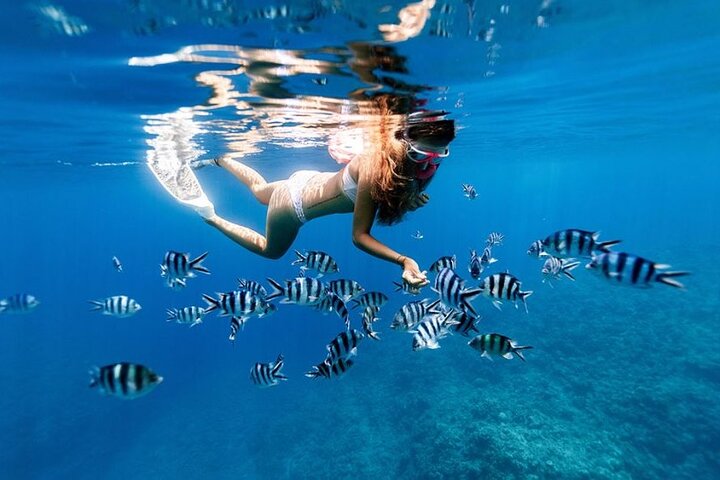
Safari Blue: The Ultimate Snorkeling, Dolphin & Seafood Adventure
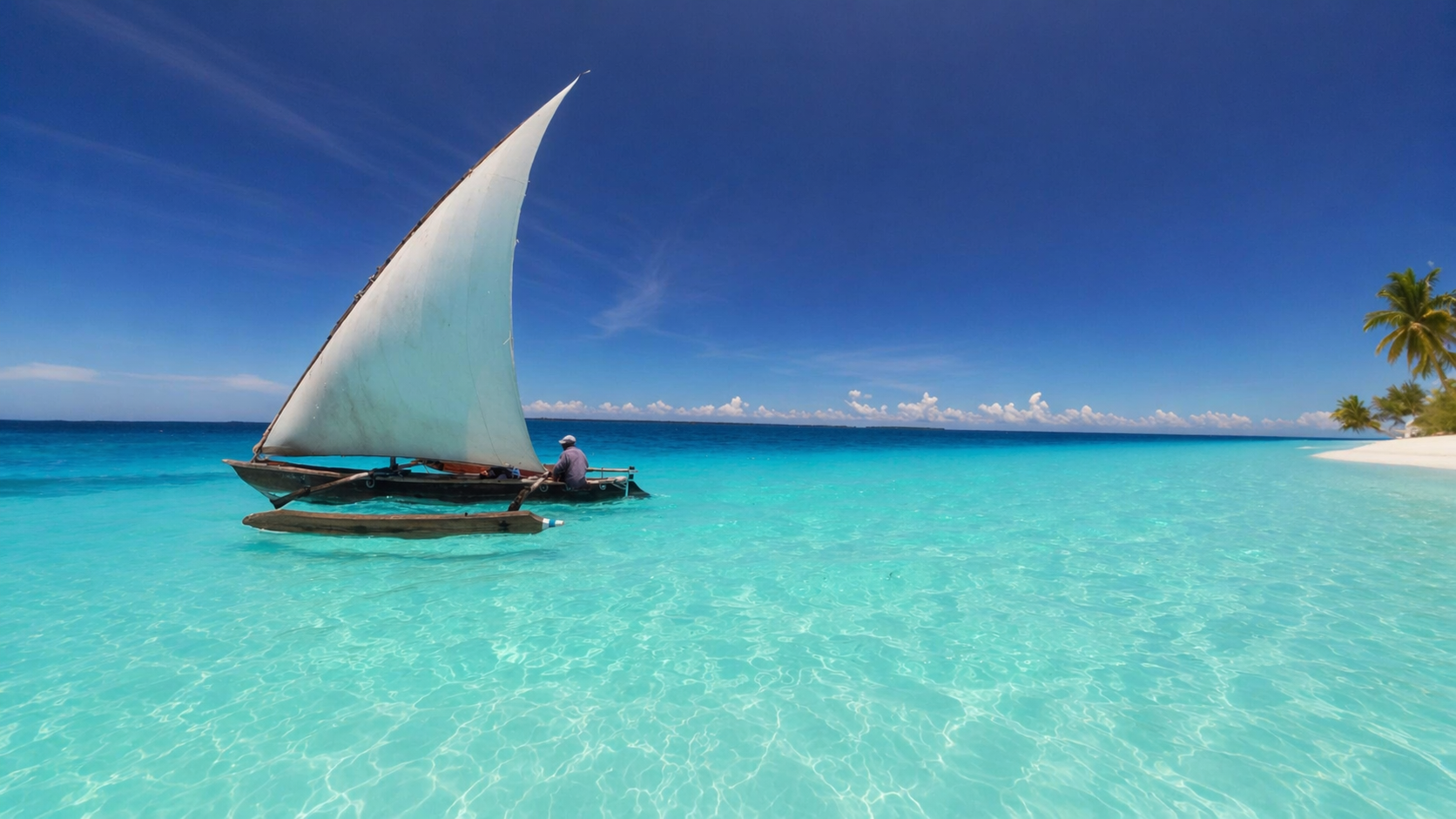
Safari Blue is one of the most popular and must-do experiences on Zanzibar Island, Tanzania. This full-day ocean adventure offers a perfect combination of relaxation, exploration, and local cuisine in the stunning turquoise waters of the Indian Ocean. It is often described as one of the most essential activities on the island, offering a chance to see dolphins and enjoy the beautiful blue sea. The term can also refer to other safari-related experiences, such as a specific color in fashion or the Safari web browser.
The tour typically takes place around the Menai Bay Conservation Area, known for its rich marine life and crystal-clear waters.
What to Expect on a Safari Blue Tour
Snorkeling:
Discover vibrant coral reefs and colorful marine life in some of Zanzibar’s best snorkeling spots.Sandbank Relaxation:
Unwind on pristine white sandbanks surrounded by clear blue waters—perfect for swimming and sunbathing.Seafood Barbecue Lunch:
Enjoy a freshly prepared seafood feast, including grilled fish, lobster, calamari, and tropical fruits.Dolphin Spotting:
Experience the thrill of seeing dolphins in their natural habitat in the Indian Ocean.Scenic Views & Photography:
Capture unforgettable moments with traditional dhow boats and breathtaking ocean views.
Packing for Safari Blue
Requires a mix of beach essentials, sun protection, and a few practical items unique to a full day on a traditional dhow. Below is a comprehensive, detailed packing list—organized by priority—to ensure you are comfortable, safe, and prepared for anything on Zanzibar’s Indian Ocean.
Priority 1: Sun Protection (Non-Negotiable)
The tropical sun on the open ocean is intense—far stronger than on land. Reflection off the water increases UV exposure significantly. Sunburn within 30 minutes is common without protection.
Item | Why You Need It | Pro Tip |
|---|---|---|
Reef-safe sunscreen (SPF 30–50+) | Protects your skin without killing coral. Conventional sunscreens contain oxybenzone and octinoxate, which are banned in Zanzibar. | Look for “non-nano zinc oxide” or “titanium dioxide.” Apply 20 minutes before boarding and reapply every 2 hours. |
Lip balm with SPF | Lips burn faster than any other skin. | Zinc-based lip balms work best. |
Wide-brimmed hat | A baseball cap leaves ears and neck exposed. A wide brim (at least 7 cm / 3 inches) shades your face, ears, and nape. | Choose a hat with a chin strap—wind on the dhow will otherwise send it flying. |
UV-protective sunglasses | Glare off the water causes eye strain and long-term damage. Polarized lenses cut glare and let you see fish while snorkeling from the surface. | Bring a retainer strap (Croakies or similar) so they don’t fall overboard. |
Rash guard / UV swim shirt | Far more effective than sunscreen alone. Blocks 98% of UV rays. Also prevents chafing from life jackets and keeps you warm in cooler water. | Long-sleeved is better than short-sleeved. Light colors stay cooler. |
Priority 2: Swim & Snorkel Gear
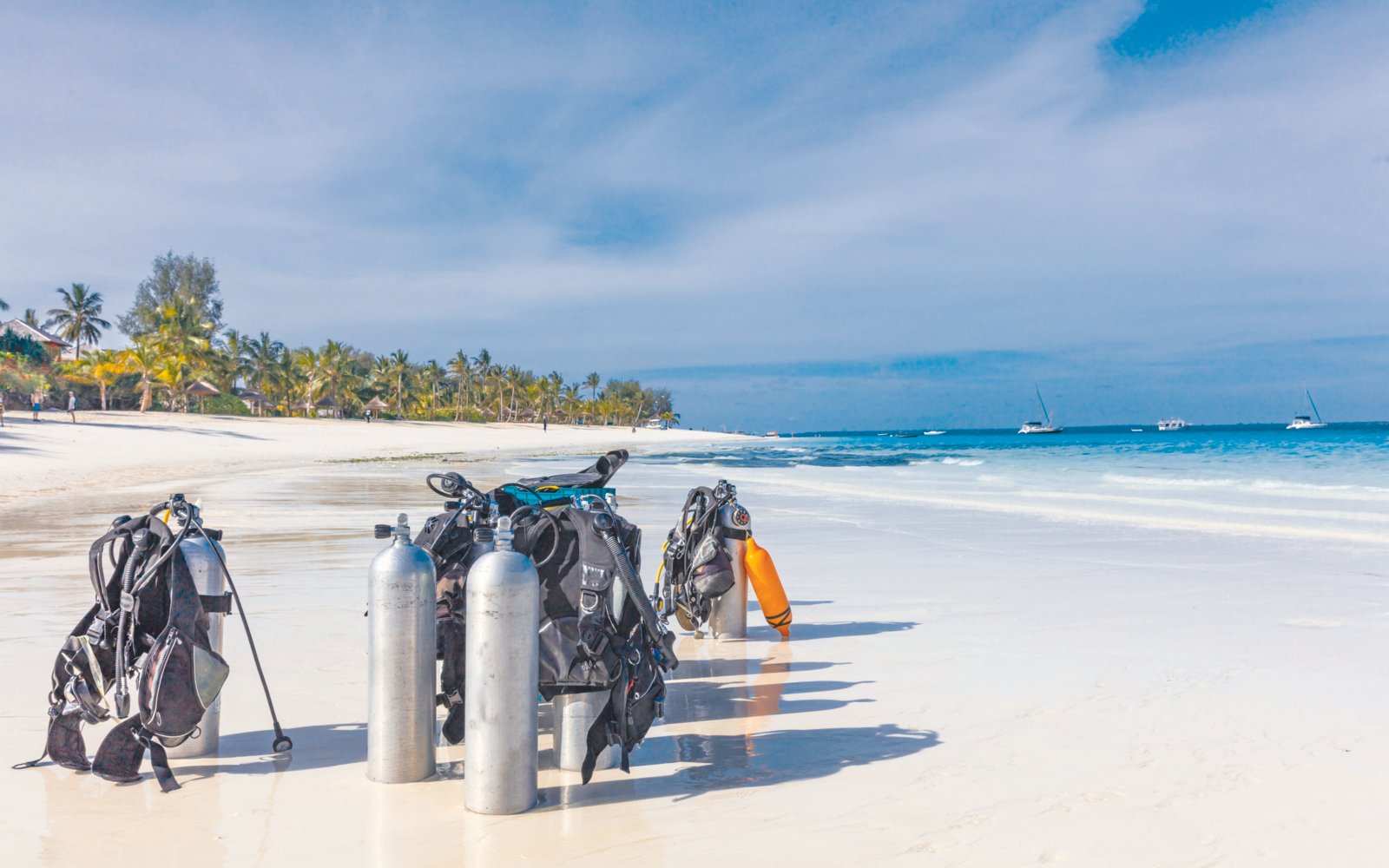
Safari Blue operators provide basic snorkeling equipment, but bringing your own ensures comfort and hygiene.
Item | Provided by Tour? | Should You Bring Your Own? |
|---|---|---|
Mask | Yes | Recommended if you wear prescription glasses (order a prescription mask) or have a uniquely shaped face that leaks. |
Snorkel | Yes | Recommended for hygiene—dry-top snorkels prevent water entry. |
Fins | Yes (adjustable strap fins) | Optional. Provided fins fit most adults (EU sizes 36–46). Bring your own if you have very large or small feet. |
Water shoes / reef booties | No | Highly recommended. Sandbanks have sharp coral fragments. Stepping on a sea urchin or broken shell ruins your day. |
Snorkel vest / life jacket | Yes (always provided) | No. Use theirs—they are Coast Guard approved and fitted to the boat. |
Important: Test your mask fit at home. Place it over your eyes without the strap, inhale gently through your nose. If it stays on without holding it, the seal is good.
Priority 3: Clothing & Changing Essentials
You will be on the water for 7–8 hours. Clothing should dry quickly, protect from sun, and allow easy layering.
Item | Why & When |
|---|---|
Swimsuit (one or two) | Wear one under your clothes from the hotel. Bring a second if you want a dry suit after lunch. |
Quick-dry shorts | For wearing over your swimsuit when walking on Kwale Island or sitting on the dhow. Avoid denim (stays wet for hours). |
Lightweight sarong / kikoi | Zanzibar’s multipurpose wonder: towel, changing screen, sun shield, picnic blanket, or modesty cover when entering fishing villages. Buy one locally for $3–5. |
Dry change of clothes (shirt + shorts + underwear) | Leave in a dry bag on the dhow. After the final swim, change before the drive back to your hotel. |
Light long-sleeved cotton shirt | For the boat ride home if the wind picks up or if you get cold after hours in the water. |
Bandana or buff | Wet it and wear around your neck to cool down. Also protects the back of your neck from sun. |
Priority 4: Electronics & Photography
The dhow is safe from big waves, but splashes and spray are constant. Salt water destroys electronics in seconds.
Item | Packing Advice |
|---|---|
Waterproof phone case (IPX8 rated, at least 5 meters depth) | Test it at home with a tissue inside—submerge in a sink for 10 minutes. If tissue stays dry, it works. |
GoPro or underwater camera | Bring extra batteries (cold water drains them faster). Use a floating handle so you don’t drop it. |
Power bank | No outlets on the dhow. A 10,000 mAh bank charges a phone 2–3 times. |
Dry bag (5–10 liter) | Essential for keeping phone, wallet, and change of clothes completely dry. Even if the dhow is dry, rain squalls appear suddenly. |
Anti-fog spray for mask / GoPro lens | Spit works (rub saliva on lens, rinse briefly), but commercial spray lasts longer. |
Photography tip: The best light for photos is 7–9 AM (soft golden) and 3–5 PM (warm side light). Midday sun (11 AM – 2 PM) creates harsh shadows and washed-out blues. For underwater shots, get within 1 meter of your subject—water absorbs red light quickly.
Priority 5: Health & Comfort Items
Item | Why |
|---|---|
Motion sickness medication (meclizine, Dramamine, or ginger tablets) | The dhow is generally stable, but the crossing to Pungume Island can be choppy. Take medication 1 hour before departure—not after you feel sick. |
Personal medications (asthma inhaler, EpiPen, insulin, etc.) | Keep in a small waterproof pouch. Inform your guide privately if you have serious allergies (especially to shellfish—the lunch is seafood-heavy). |
Seasickness wristbands (acupressure) | Placebo effect works for some. Better than nothing if you dislike pills. |
Small first-aid basics (bandages, antiseptic wipe, tweezers) | Coral cuts and sea urchin spines are the main risks. Crews carry first-aid kits, but having your own tweezers for spines is faster. |
Antihistamine (Benadryl or non-drowsy like cetirizine) | For unexpected jellyfish stings (rare in Menai Bay) or food reactions. |
Rehydration salts (oral rehydration sachets) | Sweating in tropical heat depletes electrolytes. Mix with water if you feel dizzy or crampy. |
Tissues / wet wipes | Toilets on the dhow are basic (often a bucket flush or marine head). No toilet paper is guaranteed. |
Priority 6: Money & Documents
Item | Amount / Details |
|---|---|
Cash for tips (Tanzanian shillings or USD) | Standard tip: $5–10 per person for the crew (split among 6–8 crew members). More if service is exceptional. Crews remember generous guests. |
Cash for extra drinks (if not included in your tour package) | Sodas: ~$1–2. Cocktails (rum & juice): ~$5–8. Beer (Kilimanjaro or Serengeti): ~$3–5. |
Cash for souvenirs (at Fumba village market) | Handmade soap ($2–3), carved wooden spoons ($3–5), kangas ($5–10). Bargain politely. |
Hotel room key / card | Leave non-essentials in your hotel safe. Bring only what fits in a small dry bag. |
Printed or digital tour confirmation | Some departure points check your booking. Screenshot it in case there’s no signal. |
Currency note: Tanzanian shillings (TZS) are preferred for small purchases. USD notes must be from 2009 or later, crisp and unfolded—torn or old bills are often rejected.
Priority 7: What NOT to Pack (Leave at Hotel)
Item | Why Not |
|---|---|
Expensive jewelry | Risk of loss overboard or theft (rare but possible). Also, salt water damages gold and silver over time. |
Hard-sided luggage or large backpacks | Dhows have limited dry storage—small soft bags only. |
Glass bottles | Prohibited on most dhows for safety (broken glass on sandbanks). |
Aerosol sunscreens | Most are not reef-safe, and the propellant is unnecessary. Creams are more effective anyway. |
Full wallet or passport | Leave passport in hotel safe (bring a photocopy if required for ID). Bring only cash needed for the day. |
Heavy cotton towel | Takes forever to dry and becomes heavy. Use a microfiber travel towel instead, or rely on the sarong. |
Last-Minute Morning-Of Check
Apply sunscreen 20 minutes before leaving your hotel (not on the boat—you’ll be rushed).
Eat a light breakfast (heavy meals + boat motion = discomfort).
Take seasickness medication with water, 1 hour before departure.
Put phone inside waterproof case and seal it correctly (double-check the seal).
Wear your swimsuit under clothes so you’re ready to jump in immediately upon arrival at the first snorkel site.
Leave passport and extra credit cards in hotel safe.
With this packing list, you will be prepared for sun, salt, splashes, sandbanks, and spontaneous swims. Safari Blue is meant to be effortless enjoyment—the right gear makes it exactly that.