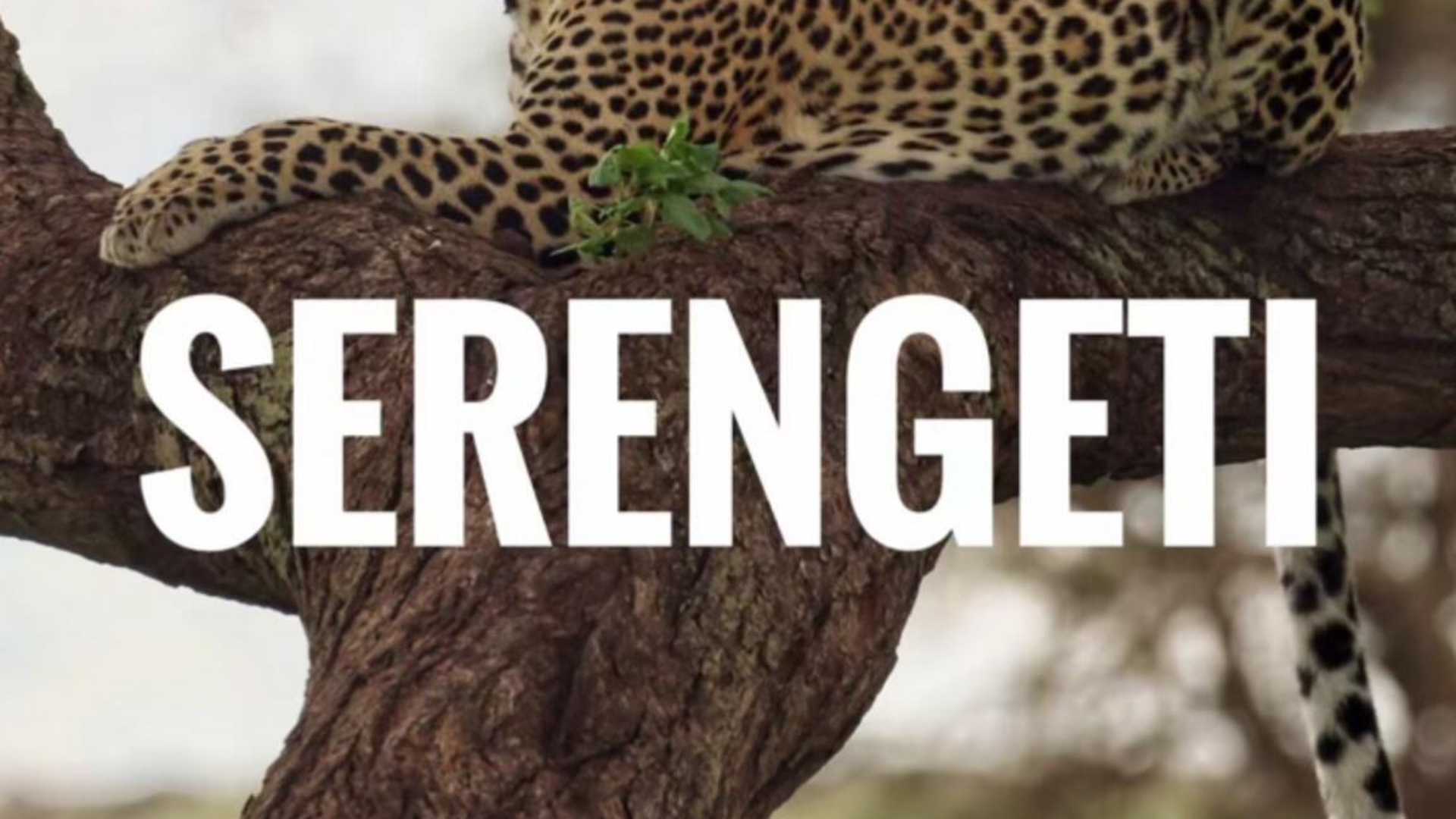
The Serengeti is a vast ecosystem in northern Tanzania, renowned as one of the world’s most famous wildlife reserves and a UNESCO World Heritage Site. It is best known for the Great Migration, an annual journey of millions of wildebeest, zebras, and gazelles across the plains in search of water and fresh grazing. Beyond the migration, the park serves as a prime habitat for the “Big Five” (lion, leopard, elephant, buffalo, and rhinoceros) and offers diverse landscapes ranging from open grasslands to riverine forests.
The Great Migration
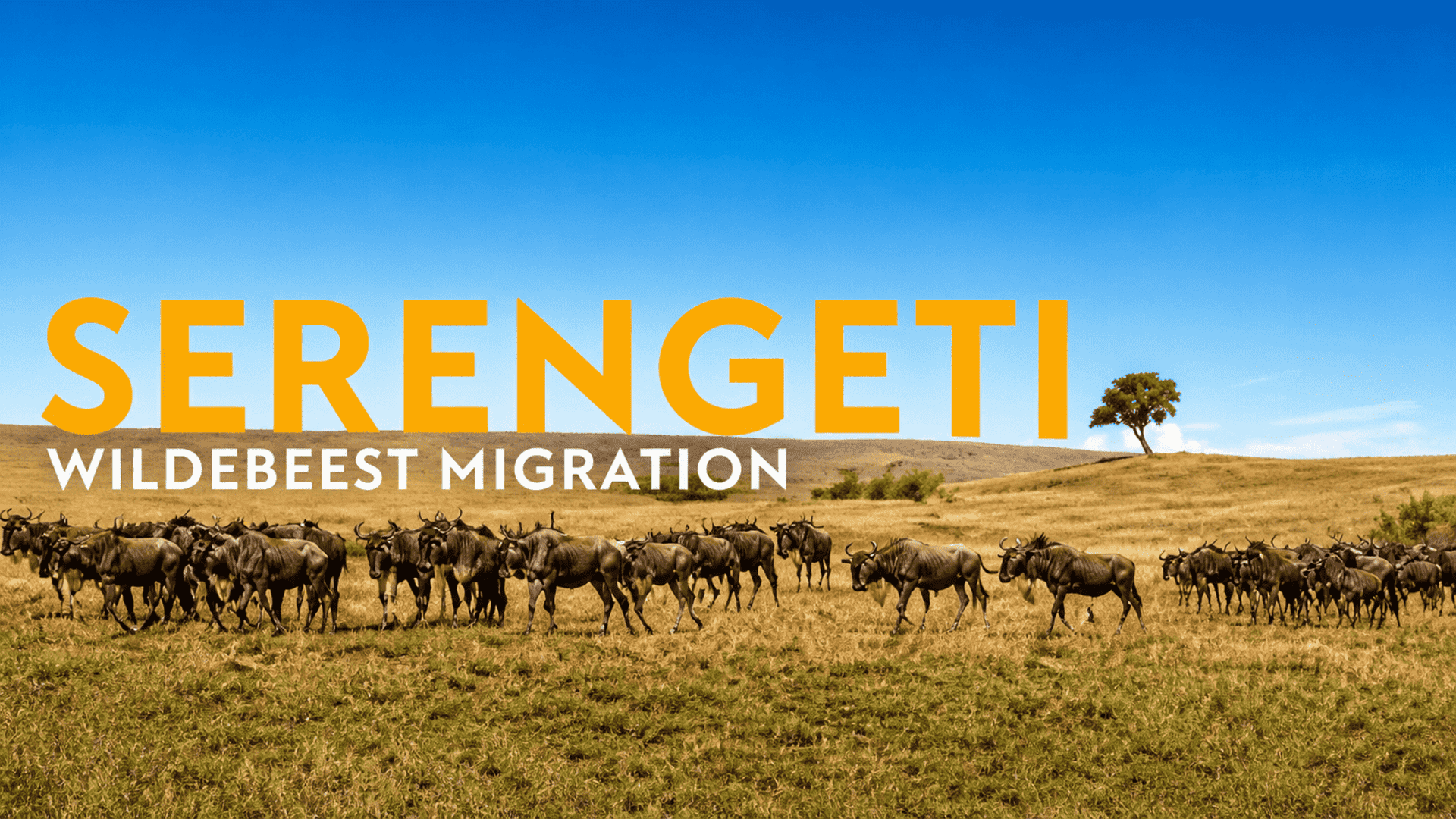
The Serengeti is the ultimate stage for the Great Migration, a natural phenomenon that draws visitors from around the globe.
Scale and Movement: The migration involves thousands of wildebeest and zebras traversing the plains, creating a spectacle where the sound of hooves can echo like thunder.
Life and Survival: This journey is not just a movement but a cycle of life, courage, and instinct, where animals face predators and harsh conditions to survive.
Seasonal Dynamics: The habitats vary by season, influencing the animals’ movements and breeding patterns, making the timing of a visit crucial for specific sightings .
Iconic Wildlife and Habitats
The park’s diverse ecosystems support an incredible array of fauna, making it a top destination for ecotourism and wildlife observation.
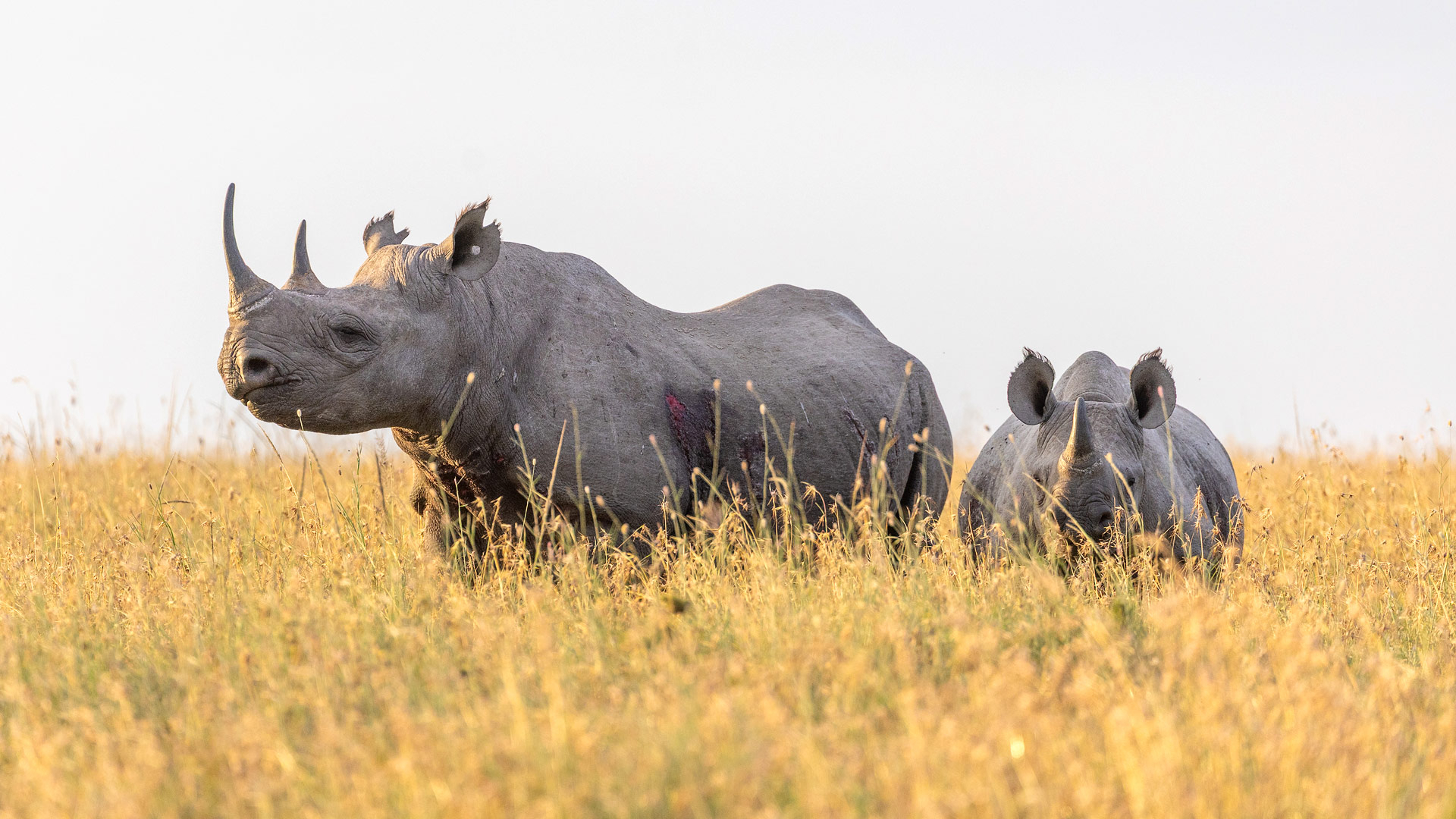
The Big Five: The Serengeti is home to the “Big Five,” including lions, leopards, elephants, buffaloes, and rhinos, which are the primary targets for safari enthusiasts .
Predators and Prey: Visitors often witness dramatic interactions, such as lions hunting buffalo or cheetahs sprinting at lightning speed during the early morning or evening .
Diverse Landscapes: The terrain includes open grasslands, swamps, woodlands, and kopjes (rock outcrops), providing essential resources for the diverse flora and fauna .
Visitor Experience
Traveling to the Serengeti offers a raw and unscripted experience of nature, often described as a “dream safari” .
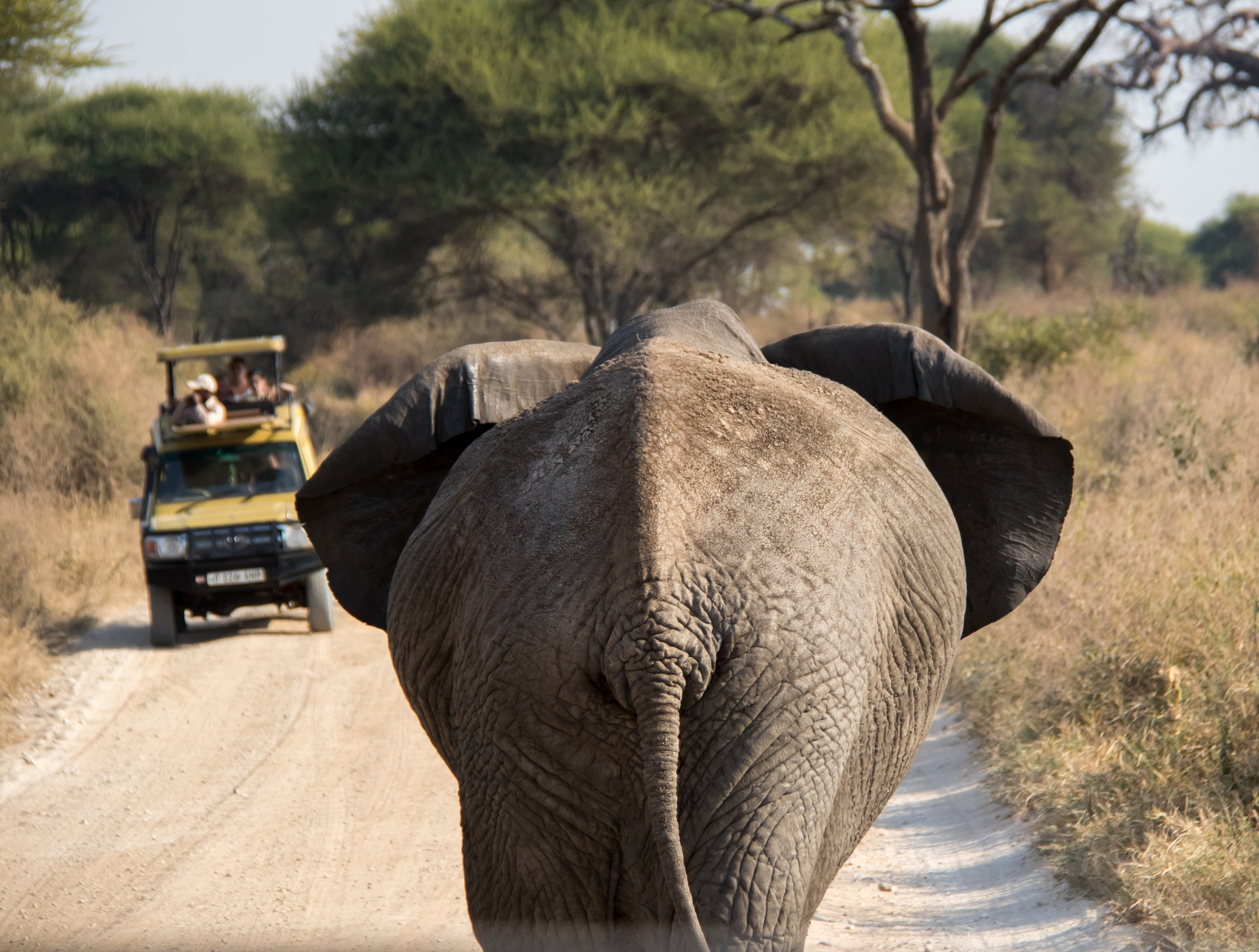
Safari Encounters: Game drives allow visitors to get close to the wild, sometimes witnessing animals like wildebeest approaching vehicles or lion cubs resting in the shade .
Photography and Observation: The golden light of sunrise and sunset enhances the beauty of the landscape, making it a photographer’s paradise for capturing wildlife in their natural habitat .
Cultural Significance: The park represents the raw power of nature, where every hunt and migration tells a story of survival and instinct .
The primary difference between a Serengeti safari and a Ngorongoro safari lies in the scale and nature of the ecosystem. The Serengeti is a vast, open savannah where wildlife is spread across a massive landscape, requiring time to track the Great Migration and predators. In contrast, the Ngorongoro Crater is a compact, enclosed volcanic caldera that concentrates animals in a high-density environment, allowing for guaranteed sightings of the “Big Five” in a single day.
Landscape and Ecosystem
Serengeti: This is a massive, open ecosystem characterized by endless grasslands, rivers, and woodlands . It is the stage for the Great Migration, where millions of wildebeest and zebras move in search of water and grazing . The terrain is diverse, ranging from the short grass plains of the south to the woodlands of the west and the open plains of the north .
Ngorongoro: This is a unique, closed ecosystem formed by a collapsed volcano . It features a high concentration of wildlife within a relatively small area, including wetlands, forests, and grasslands . The crater walls act as a natural barrier, preventing animals from leaving and creating a “Jurassic Park” atmosphere .
Wildlife Viewing Experience
Serengeti: The experience is often described as a “wilderness” or “battlefield” where animals are free and untamed . Vehicles are allowed to drive off-road in many areas, allowing for close encounters with predators like lions and cheetahs. However, sightings can be sporadic and require patience, as animals are spread out.
Ngorongoro: The experience is more “curated” and “dense." Because the animals are trapped within the crater, they are often found in large herds or resting near the lakes. It is the best place to see the “Big Five” (lion, leopard, elephant, buffalo, and rhino) in a single day, with a high probability of spotting black rhinos.
Logistics and Duration
Serengeti: Due to its size, a Serengeti safari typically requires 3 to 5 nights to cover different zones and maximize wildlife sightings. The journey involves long drives between camps and across the plains.
Ngorongoro: The crater is small enough to be explored in a single day, making it a popular stop for those with limited time. While some travelers stay overnight in the nearby town of Karatu, the core wildlife experience is usually completed in one day.