Kilimanjaro National Park
Kilimanjaro Region, Tanzania
Discover the iconic Kilimanjaro National Park, Tanzania
Mount Kilimanjaro is a dormant volcanic mountain in Tanzania, standing at 5,895 meters (19,341 feet), making it the highest peak in Africa. It consists of three cones: Kibo (the highest, dormant), Mawenzi (extinct), and Shira (extinct). Unlike many high mountains, Kilimanjaro is a free-standing stratovolcano not part of any mountain range.
Its slopes feature distinct ecological zones, from tropical rainforest at the base to alpine desert and glacial ice at the summit. Despite its proximity to the equator, the summit is permanently snow-capped, though its glaciers are rapidly retreating due to climate change.
Kilimanjaro is a major climbing destination, requiring no technical mountaineering skills, but altitude sickness remains a serious risk.
"The summit, known as Uhuru Peak, is a popular destination for climbers."
Key Facts
Height: 5,895 meters (19,341 feet) above sea level.
Location: It is situated in Tanzania, near the border with Kenya, approximately 160 kilometers east of the East African Rift System.
Geography: The mountain is a dormant volcano with a central cone called Kibo. Its unique feature is a snow-capped peak, making it one of the rarest snow-capped volcanoes globally.
Climbing Routes
Success Rate: Around 65% for all climbers, rising to ~90% for 7-8 day routes.
Main Challenge: Altitude sickness, not technical difficulty.
Popular Routes: Marangu ("Coca-Cola" route — hut accommodation), Machame ("Whiskey" route — scenic, camping), Lemosho, Rongai, and Northern Circuit.
Time: Minimum 5–9 days recommended; longer is better for acclimatization.
Safari Cost
The average costs to climb Kilimanjaro range from $1,500 to $6,000, depending on the route, operator, group size, and services included.
"Group Discount: The more travelers, the lower the price per person."
Destination Map
What are the main attractions of the Kilimanjaro National Park?
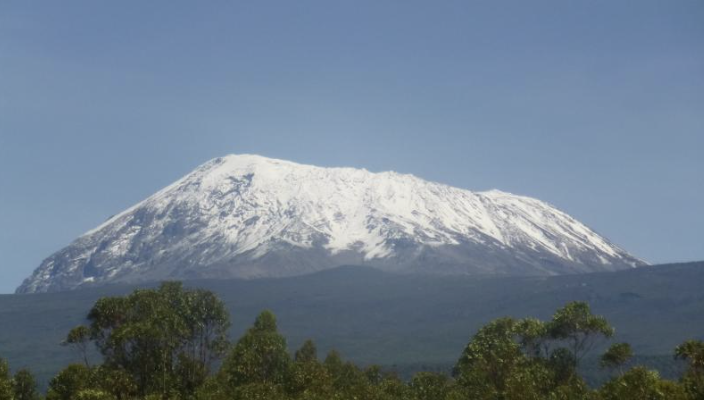
Kibo Peak
Kibo, the highest peak (5,895m) on Mount Kilimanjaro, is covered by snow throughout the year despite being close to the equator. Conquering this peak is an adventure of a lifetime.
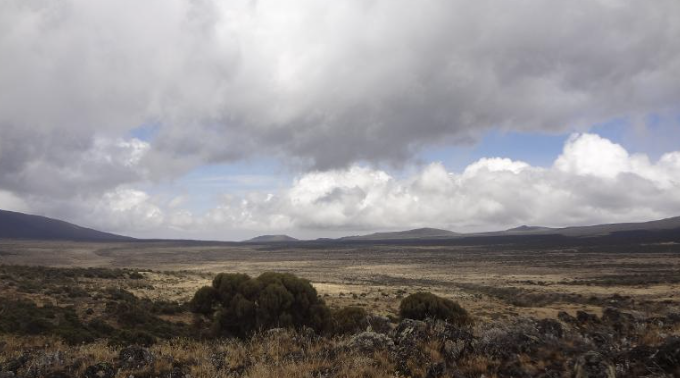
Shira plateau
With an altitude of 3,962m, is the oldest peak that collapsed and forms a Shira plateau with outstanding scenic beauty on the mountain with several kinds of migratory large mammals such as buffaloes, elephants and especially elands.
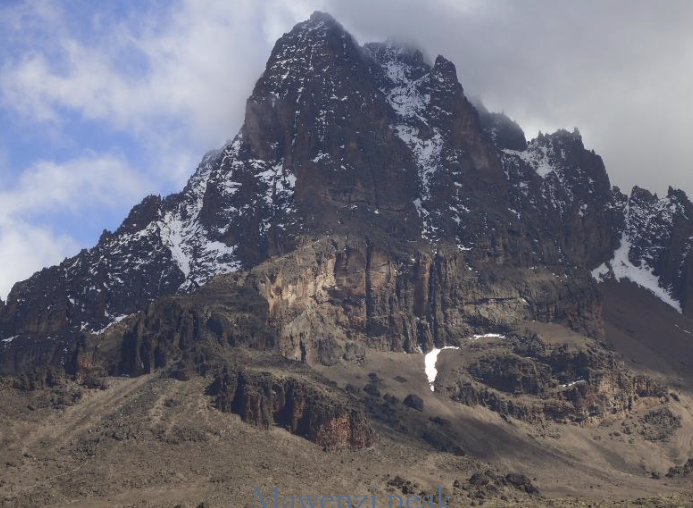
Mawenzi Peak
Is the second highest peak which forms mount Kilimanjaro 5,149m. It is rugged and maintain the features of glaciation
Activities in the Kilimanjaro National Park
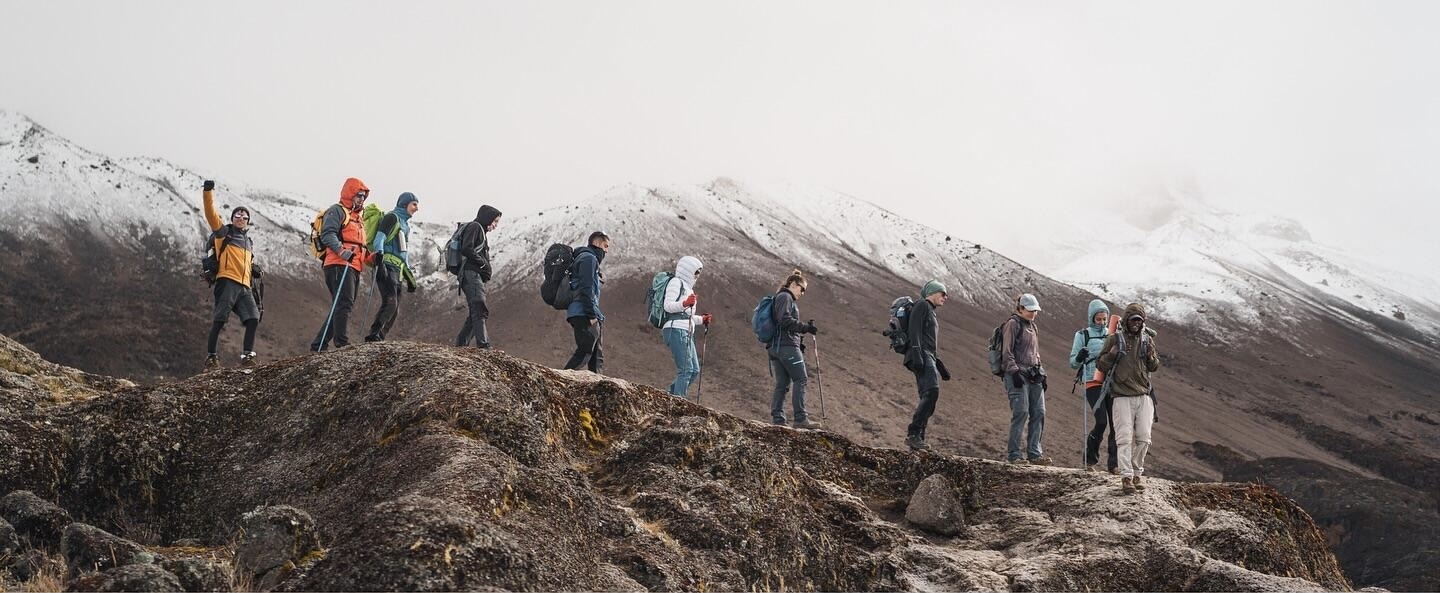
Mountain Climbing
Climbing to Kibo peak takes 5 to 8 days depending on the route. The more days, the higher the possibility to conquer the summit. Six mountain trails can take a climber to the highest point in Africa, each route offering different attractions and challenges.
Mountain Cycling
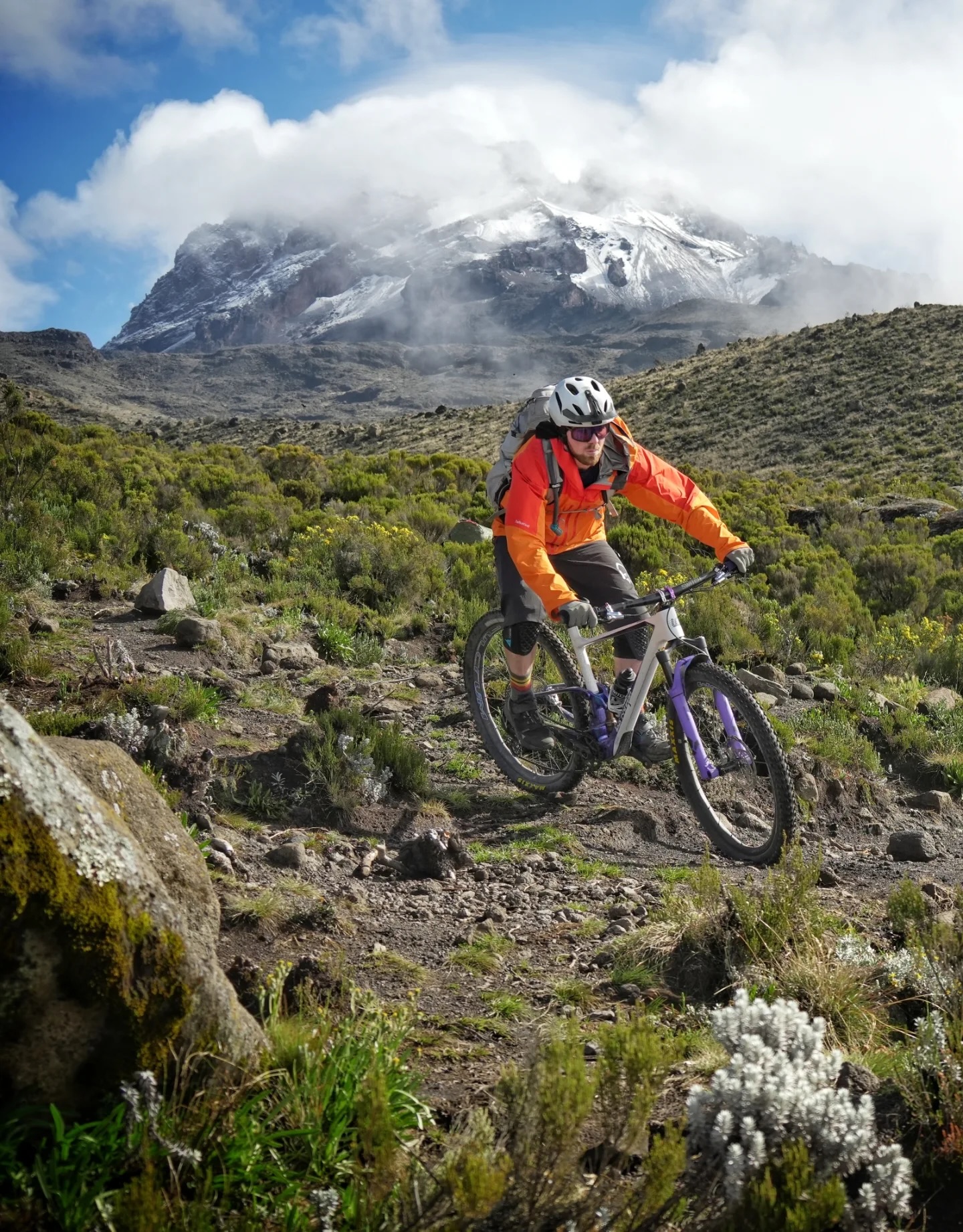
Tourists have a chance to cycle inside the park. There are two routes, one for summit bound visitors (Kilema route) and second one for non summit visitors (Shira plateau). These routes are equipped with picnic sites and resting points.
Paragliding
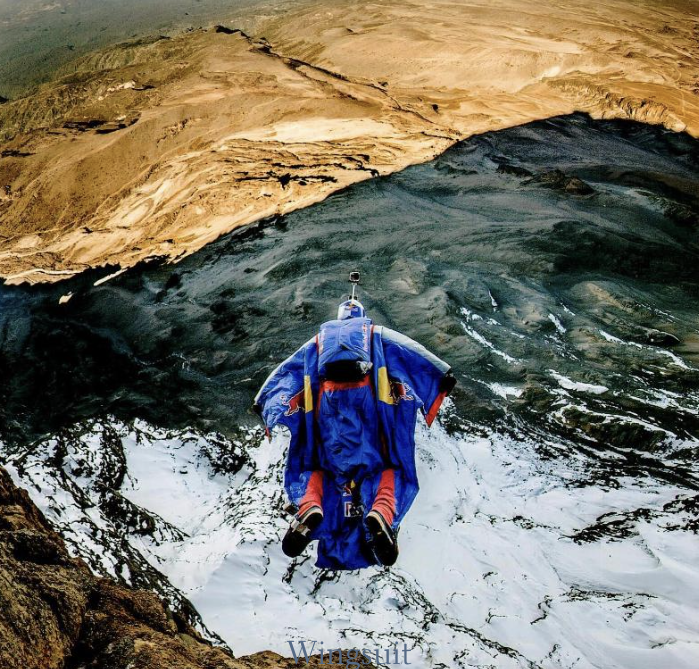
Tourists can fly from the top of Mount Kilimanjaro and tourists may use parachutes or wingsuits while undertaking this activity
Animals in Kilimanjaro National Park
Elephant
Common
Giraffe
Common
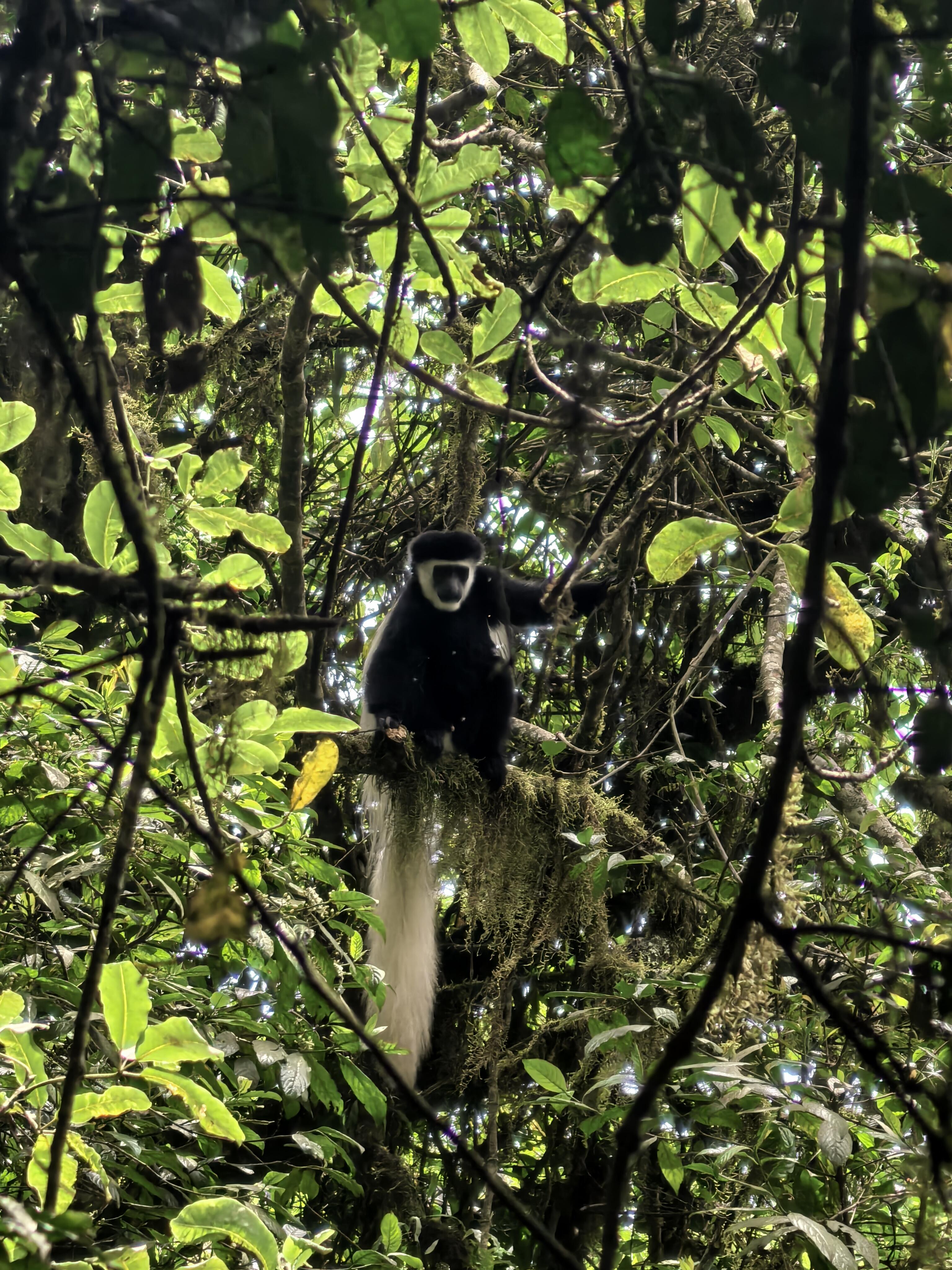
Baboon
Common
History of Kilimanjaro National Park
Kilimanjaro National Park was established in 1973 to protect the unique environment of Mount Kilimanjaro . The park was later designated a UNESCO World Heritage Site in 1987 to safeguard its distinct ecosystem and cultural significance. This recognition highlights the mountain’s status as a major natural landmark and a key destination for climbing
The origin of the word is not well known, but it is said to be a combination of the Swahili word Kilima meaning “Mountain” and the KiChagga word Njaro, loosely translated as “Whiteness” giving the name “White Mountain”.
Frequently Asked Questions about the Kilimanjaro National Park
Mount Kilimanjaro is located in northeastern Tanzania, near the border with Kenya. It is the highest mountain in Africa, with its main peak, Kibo, reaching an elevation of 5,895 meters (19,340 feet). The mountain is situated about 160 kilometers (100 miles) east of the East African Rift System. Despite its proximity to the equator, its summit is covered in snow and ice year-round, creating a unique “snow-capped equatorial mountain” landscape.
Geographical Context
Mount Kilimanjaro is a volcanic massif, primarily composed of three main cones: Kibo, Mawenzi, and Shira. It is a dormant volcano that formed approximately 750,000 years ago. The mountain is part of the Kilimanjaro Region, which is largely mountainous and surrounded by the Pare Mountains. The area is known for its diverse ecosystems, ranging from tropical rainforests at the base to alpine tundra and glaciers at the summit.
Viewing the Mountain
While the mountain is in Tanzania, it is a popular sightseeing destination from Kenya. The Amboseli National Park in Kenya offers one of the most famous and clear views of Mount Kilimanjaro’s snow-capped peak. This vantage point is a popular spot for tourists and photographers
The most convenient way to reach Mount Kilimanjaro is by flying into Kilimanjaro International Airport (JRO), located between Arusha and Moshi. From there, it’s about a 50-minute drive to Moshi, the main base for Kilimanjaro climbs.
Major international airlines like KLM, Qatar Airways, Turkish Airlines, Ethiopian Airlines, and Air France operate flights to JRO.
Alternatively, you can fly into Dar es Salaam and take a domestic flight to Kilimanjaro, though this may involve extra baggage and transfer fees. A more budget-friendly route is to arrive via Nairobi, Kenya, and take a shuttle or bus to Moshi — just note the added costs for a Kenyan transit visa ($21) and bus fare (~$45). The total journey from Nairobi to Moshi takes about 7 hours.
The best time to climb Mount Kilimanjaro is during the dry seasons, which are from January to March and June to October . These periods offer the most favorable weather conditions, with less rain, clearer skies, and better visibility . The choice between these two dry seasons often depends on personal preferences regarding crowd levels and specific weather conditions .
Dry Season: January to March
Weather: This period is characterized by warm, sunny days and clear skies, making it ideal for climbing and photography. The weather is generally stable, with occasional showers that can create a beautiful, washed-out landscape.
Crowds: January and February are the most popular months for climbing, which means the trails can be quite busy . This is also a peak tourist season, so accommodations and guides may be in higher demand .
Snow Visibility: This is a good time to see the snow on the summit, as the skies are often clear .
Dry Season: June to October
Weather: This period is cooler and drier, with less frequent rain . The weather is generally stable, and the trails are less muddy, making for a more comfortable climb .
Crowds: This is the second most popular climbing season, and the trails can be very busy, especially in July and August . However, cooler temperatures can be a benefit for some climbers.
Snow Visibility: The clear skies during this time also provide excellent views of the snow on the summit .
Other Considerations
Rainy Season: April, May, and November are considered the rainy seasons and are generally not recommended for climbing due to heavy rains, muddy trails, and poor visibility .
Off-Peak Climbing: Some climbers choose to climb during the rainy season, particularly in April, to avoid the crowds and enjoy a more private experience . This requires proper gear and a professional guide to ensure safety .
The best routes for climbing Mount Kilimanjaro are the Lemosho, Machame, and Marangu routes, each offering different experiences in terms of difficulty, scenery, and success rates . The choice of route depends on factors like the climber’s fitness level, budget, and desired experience . The Lemosho route is often recommended for its high success rate and scenic beauty, while the Machame route is popular for its challenging terrain and diverse landscapes .
Lemosho Route
Difficulty: Considered a moderate route with a high success rate .
Scenery: This route is known for its stunning and diverse landscapes, including rainforests, savannahs, and snow-capped peaks .
Duration: It typically takes 7-8 days, allowing for a gradual ascent that helps with acclimatization .
Crowds: It is less crowded than other popular routes, offering a more tranquil experience .
Machame Route (Whiskey Route)
Difficulty: This is a popular and moderately challenging route .
Scenery: It is famous for its beautiful and varied scenery, passing through different vegetation zones .
Duration: The route usually takes 6-7 days .
Challenges: It includes a technical climb on the Barranco Wall, which is a key feature of the route .
Marangu Route (Coca-Cola Route)
Difficulty: This is the easiest and most straightforward route, making it suitable for beginners .
Scenery: While it is a classic route, its scenery is considered less spectacular than other options .
Duration: It is the shortest route, typically taking 5-6 days .
Accommodation: It is the only route that offers hut accommodation instead of camping, which is a significant advantage for some climbers .
Other Routes
Umbwe Route: This is the most difficult and shortest route, recommended only for experienced climbers .
Rongai Route: This route is known for its remote and untouched scenery, as it is the only one that starts from the northern side of the mountain .
The amount you should budget for tipping per day on a Kilimanjaro climb varies, but a common range is $25 per person per day. This amount is typically distributed among the climbing team, which includes the main guide, assistant guide, cook, and porters. The total tip per person for a 6- to 7-day climb is often around $350. It is recommended to bring new U.S. dollars in cash for this purpose.
Tipping Breakdown
• Main Guide: $25 per day
• Assistant Guide: $20 per day
• Cook: $15 per day
• Porters: $10 per day
The typical cost for climbing Mount Kilimanjaro varies by route, with the Lemosho route being the most expensive and the Machame and Marangu routes the most affordable. The price differences are primarily due to the duration of the climb, the level of difficulty, and the quality of the experience. The Lemosho route is often considered the best for acclimatization and has a high success rate, while the Marangu route is the shortest and easiest.
Cost Comparison
Lemosho Route: This 7-8 day route is known for its high success rate and scenic beauty. The cost is typically the highest, ranging from approximately $2,120 to $2,541 per person. The longer duration allows for better acclimatization, which is crucial for a successful summit.
Machame Route: This 6- to 7- day route is popular for its challenging terrain and diverse landscapes. The cost is generally lower than the Lemosho route, ranging from about $2,010 to $2,394 per person. It is a good balance between challenge and experience.
Marangu Route: This is the shortest and easiest route, typically taking 5 to 6 days. It is the most affordable option, with prices ranging from around $1,750 to $2,000 per person . It is the only route that offers hut accommodation, which is a significant advantage for some climbers
The price ranges for climbing Mount Kilimanjaro typically include park fees and permits, but this can vary depending on the tour package. The main costs are the park entrance fee and camping fees, which are mandatory and paid to the Kilimanjaro National Park Authority (KINAPA). These fees are a significant part of the total cost, and many tour packages include them.
Breakdown of Costs
Park Fees and Permits: These are fixed charges that must be paid for each day spent in the park. For foreign visitors, the park entrance fee is approximately $70 per day, and the camping fee is around $50 per day. A rescue fee of $20 per person is also charged. These fees are often included in the overall tour price.
Tour Package Costs: The quoted price for a tour package (e.g., $1,750 to $2,500) generally includes the park fees, permits, and other services like guides, porters, food, and equipment. However, some packages may not include the park fees, so it is important to confirm what is included.
Tipping: Tipping for the local team (guides, porters, and cooks) is a separate cost and is not included in the tour package. This is a customary practice and is considered a significant part of the total expense
To successfully climb Mount Kilimanjaro, you should prepare gear that includes layered clothing, essential climbing equipment, and personal supplies to handle the mountain’s extreme weather conditions. The key is to pack for a wide range of temperatures, from hot and humid at the base to freezing at the summit. A well-prepared climber will have items for protection, comfort, and safety throughout the journey.
Essential Clothing
Layering System: A three-layer system is recommended to manage the temperature changes.
Base Layer: Moisture-wicking, quick-drying fabrics like merino wool or synthetic materials are essential for the inner layer.
Mid Layer: Insulating layers such as a fleece jacket or a down vest are needed for warmth.
Outer Layer: A waterproof and windproof hardshell jacket and pants are crucial for protection against rain, snow, and wind.
Footwear: A pair of high-quality, waterproof hiking boots is essential for the entire climb. Wool socks are recommended for warmth and to prevent blisters.
Head and Hand Protection: A warm hat, gloves, and a balaclava are necessary for the cold summit. Sunglasses with UV protection are also important to prevent snow blindness.
Climbing and Safety Gear
Backpacks: A large backpack (30-40L) is used for carrying your gear, while a smaller daypack (15-20L) is for carrying essentials like water and snacks.
Sleeping Gear: A sleeping bag rated for at least -15°C is necessary for the cold nights at high altitude. A sleeping pad can also be brought for added comfort.
Lighting and Navigation: A headlamp with extra batteries is essential for the summit night, which typically starts around 2 a.m. .
Poles: Trekking poles are highly recommended to reduce strain on your knees and improve stability on the trail.
Personal Supplies and Health
Hydration and Nutrition: A large, insulated water bottle (1 L or more) is necessary to prevent water from freezing. Energy snacks like nuts, chocolate, and energy bars are important for maintaining energy levels.
Sun Protection: High SPF sunscreen, lip balm, and a hat are essential to protect against the strong sun at high altitude.
Health and Safety: A basic first-aid kit with items like blister pads, pain relievers, and altitude sickness medication is recommended. It is also wise to bring any personal medications you may need
The main difference between camping and hut routes on Mount Kilimanjaro lies in the type of accommodation and the overall experience. Hut routes, such as the Marangu (Coca-Cola) route, provide climbers with pre-built wooden huts at each campsite, offering a more comfortable and convenient stay. In contrast, camping routes, like the Machame (Whiskey) and Lemosho (Lemon) routes, require climbers to stay in tents, which are set up by porters.
Hut Routes
Accommodation: Climbers stay in wooden huts equipped with beds, mattresses, and pillows. These huts are often shared and have communal dining areas.
Facilities: Lower-altitude huts may have basic amenities like bathrooms and hot water. However, facilities become more rudimentary at higher altitudes.
Experience: The hut route is generally considered the most comfortable and is often recommended for beginners or those seeking a less strenuous climb. It is also the only route that allows climbers to purchase drinks like Coca-Cola.
Camping Routes
Accommodation: Climbers stay in tents set up by porters at each campsite . This setup is common on most routes, including the popular Machame and Lemosho routes .
Facilities: Tents are typically equipped with sleeping mats, and meals are served on camping tables. The experience is more rugged and immersive, with climbers sharing the space with their porters and guides.
Experience: Camping routes are often recommended for those seeking a more authentic and challenging experience . They also provide more flexibility in terms of acclimatization, as the slower pace allows for better adaptation to the altitude
The Lemosho route is widely considered the best for acclimatization on Mount Kilimanjaro . This route is typically 7 to 8 days long, which provides ample time for the body to adjust to the high altitude . The key reason for its effectiveness is its “climb high, sleep low” profile, a scientifically proven method for improving acclimatization . This approach involves ascending to higher elevations during the day and then sleeping at lower altitudes, which helps reduce the risk of altitude sickness .
Key Features of the Lemosho Route
Gradual Ascent: The route features a more gradual and gentle ascent compared to other popular routes like Machame or Marangu. This slower pace allows for better adaptation to the altitude.
Dedicated Acclimatization Days: The itinerary includes specific days for acclimatization, such as climbing to the Lava Tower (around 4,600 meters) and then descending to Barranco Camp (around 3,900 meters) for the night. This practice is crucial for preparing the body for the final summit push.
High Success Rate: Due to its excellent acclimatization profile, the Lemosho route has one of the highest summit success rates, often cited as 85-95%.
Since its establishment in 1973, the management of Kilimanjaro National Park has evolved significantly to address environmental challenges, improve visitor experiences, and ensure the safety of climbers. A key development has been the introduction and promotion of longer, acclimatization-focused routes, such as the Lemosho and Machame routes, which are now considered the best options for reducing the risk of altitude sickness. These routes provide more time for climbers to adapt to the high altitude, which is crucial for a successful summit attempt. Additionally, the park’s management has emphasized the importance of hiring professional guides and support teams to ensure safety and provide necessary services.
How much does a Kilimanjaro climb cost?