Ndutu Plains, Southern Serengeti
Ngorongoro / Serengeti border, Tanzania

Discover the iconic Ndutu Plains, Southern Serengeti, Tanzania
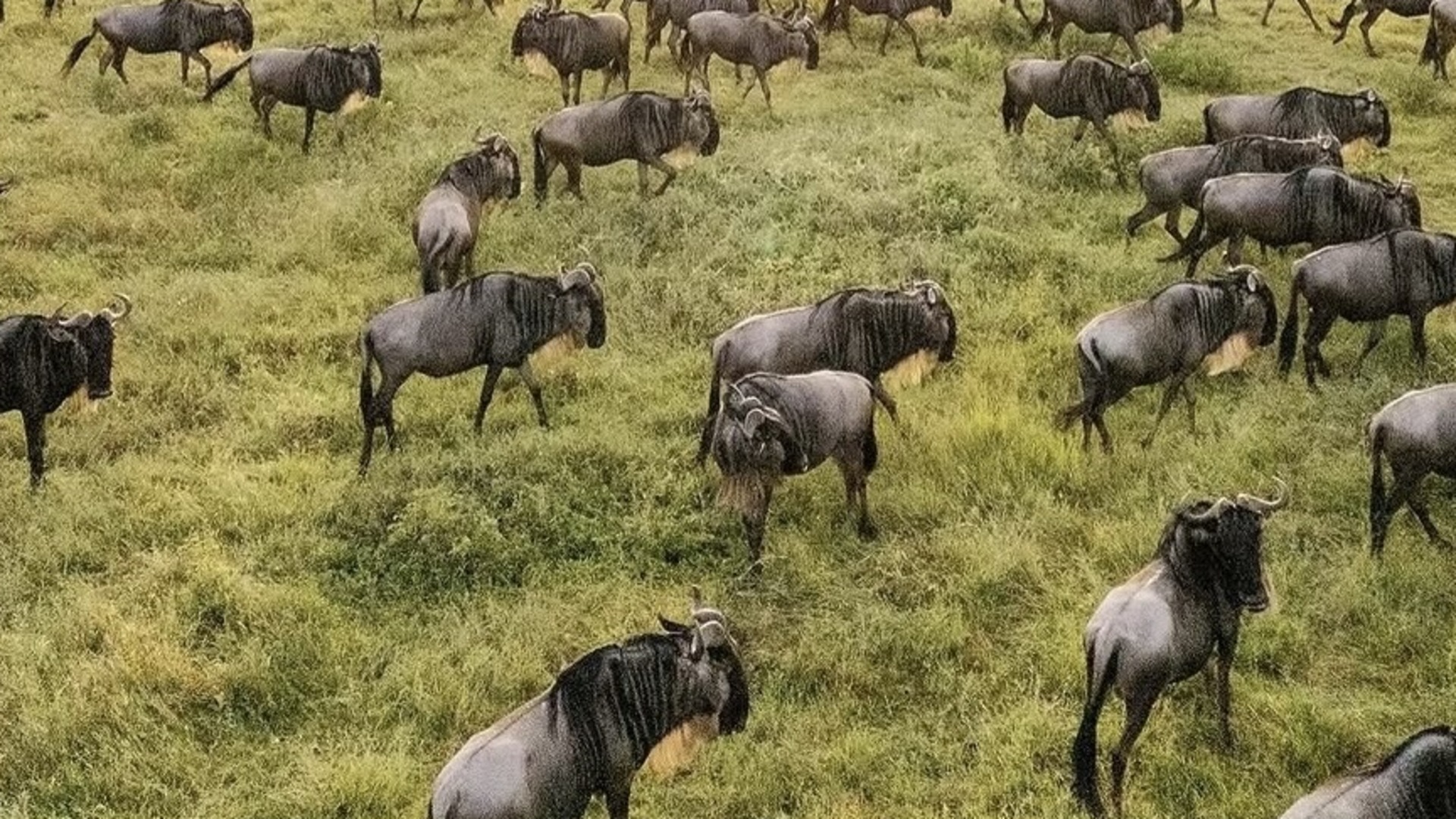
Ndutu is the southernmost region of the Serengeti National Park, famous for being the epicenter of the Great Migration’s calving season. It’s the best place to see over 500,000 wildebeest calves born in just a few weeks, along with intense predator action and stunning short-grass plains . This area is unique because it allows “off-road” game drives, letting you get much closer to the action than in other parts of the park .
🌍 Location and Landscape
The Ndutu plains are located in the Ngorongoro Conservation Area, on the outskirts of the Southern Serengeti plains. These plains are enriched with tremendous acacia trees, providing a panoramic view across Lake Ndutu and Masek at the other end. It is one of the best places in the Ngorongoro Conservation Area to spot predators and enjoy the stunning landscapes. Standing here means you're in the midst of a calving ground for migratory wild animals, specifically the wildebeest migration. It is typically composed of vast swaths of short grassland, soda-lake basins, marshes, and woodland vegetation that support both residents and migratory animals.
🐆 Wildlife and the Calving Season
The main draw of Ndutu is the annual calving season, which usually runs from late January through early March .
The Herds: The wildebeest herds gather here in huge numbers to give birth, creating a “life miracle” where thousands of calves are born every day .
Predators: The short grass makes it easy for predators like lions, cheetahs, and hyenas to spot prey, leading to some of the most intense hunting scenes in Africa .
Other Animals: You’ll also see zebras, gazelles, and flamingos, along with resident species like elephants and giraffes .
📅 Best Time to Visit
The best time to visit Ndutu is during the calving season, specifically from late January to early March.
Peak Season: February is the absolute peak, with the highest concentration of newborn calves and predators.
Weather: The weather is warm (25–30°C) with some light rains that keep the grass green and the scenery photogenic.
Avoid it: March can bring heavier rains that might make some roads muddy, though they are usually still passable.
🏕️ Accommodation and Practical Tips
Accommodation in Ndutu is mostly seasonal and mobile, with most options being tented camps or lodges .
Mobile Camps: Many camps are “roving” or mobile, meaning they move with the herds, so the exact location can change from year to year.
Facilities: Expect basic facilities. Water is often heated by solar power, so hot water might be limited or only available at certain times. The water can be salty, so it’s a good idea to bring your own bottled water for washing.
Off-Road Drives: A major advantage of Ndutu is that off-road driving is allowed, letting you get much closer to the animals than in the northern Serengeti.
Duration: It’s recommended to spend at least 2-3 nights here to fully experience the calving season and predator action
Safari Cost
Destination Map
History of Ndutu Plains, Southern Serengeti
Frequently Asked Questions about the Ndutu Plains, Southern Serengeti
The best time to see predators in action is late January through early March, specifically in the Ndutu region of the southern Serengeti. This period coincides with the Great Migration’s calving season, where over 500,000 wildebeest calves are born in just a few weeks, attracting a high density of predators like lions, cheetahs, and hyenas. February is considered the absolute peak for this activity, as the herds are concentrated and the newborns are most vulnerable.
The Predator Hotspot: Ndutu
Ndutu is the southernmost tip of the Serengeti National Park, located near the Ngorongoro Conservation Area. It is the only area in the Serengeti where off-road driving is permitted, allowing vehicles to get extremely close to the action. The landscape consists of vast, flat short-grass plains that provide perfect visibility for spotting both prey and predators.
Why Predators Are Most Active Here
High Prey Density: The calving season creates a “life miracle” where thousands of calves are born daily, providing a constant food source for predators.
Intense Hunting: The short grass makes it difficult for newborn calves to hide, leading to intense hunting scenes involving lions, cheetahs, and hyenas.
Concentration of Herds: Unlike other parts of the park where herds are spread out, the Ndutu area hosts massive concentrations of wildebeest, making it easier to witness predator-prey interactions .
Best Time to Visit
Peak Season: February is the absolute best month to visit for predator action.
Weather: The weather is warm (25–30°C) with light rains that keep the grass green and the scenery photogenic.
Duration: It is recommended to spend at least 2-3 nights in Ndutu to fully experience the calving season and the associated predator activity.
Other Predator Hotspots
While Ndutu is the prime location for the calving season, predators are active throughout the year in other regions:
Central Serengeti (Seronera): Known for stable lion prides and leopards, especially around the famous kopjes.
Northern Serengeti (Mara River): July to August offers the “Great Crossing," where predators hunt wildebeest attempting to cross the river.
Ngorongoro Crater: A high-density area for wildlife, including lions and hyenas, accessible year-round